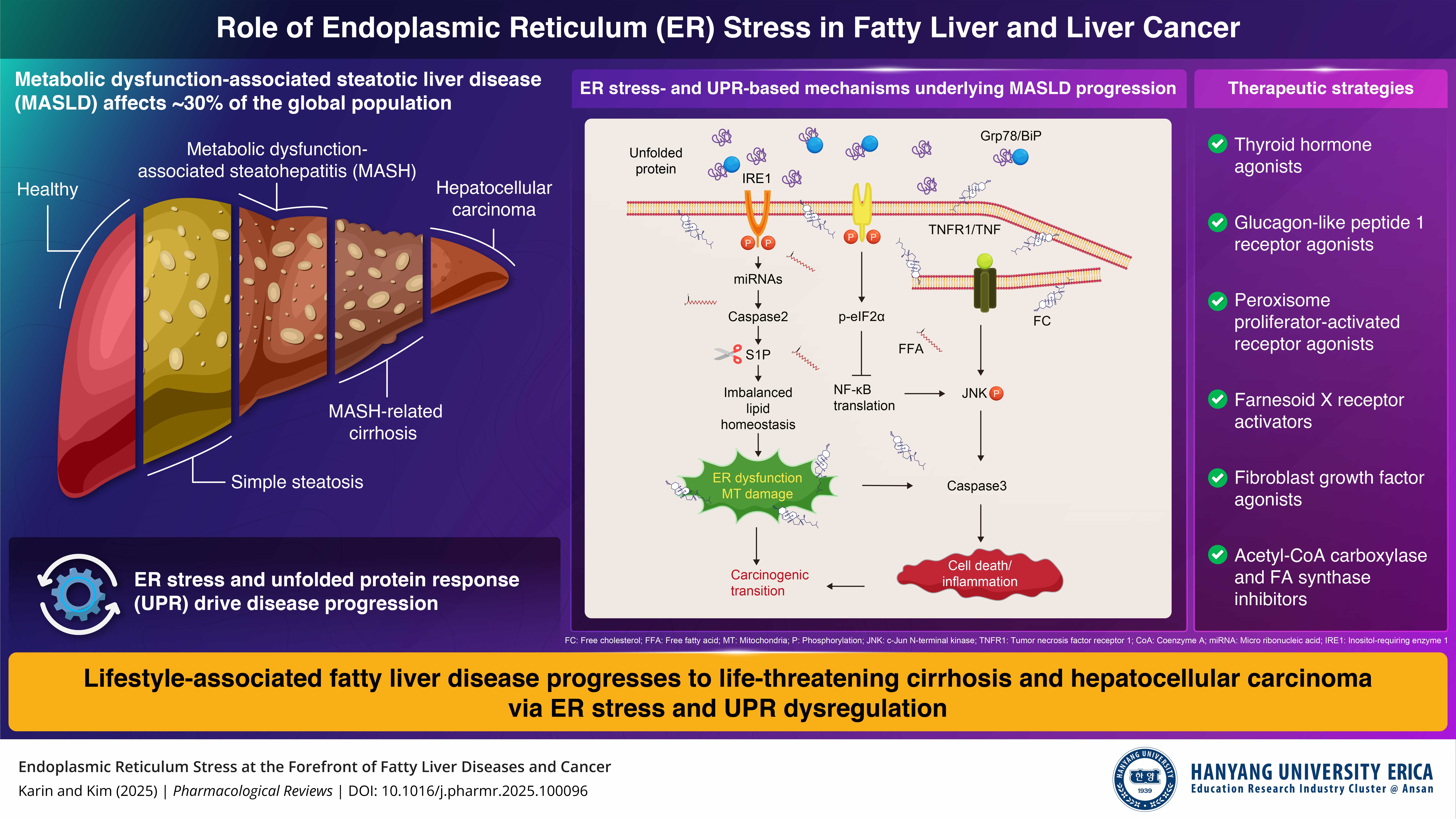
Endoplasmic reticulum (ER) stress and the unfolded protein response are often implicated in the progression of metabolic dysfunction-associated steatotic liver disease (MASLD), from simple steatosis to inflammation-driven metabolic dysfunction-associated steatohepatitis and, ultimately, hepatocellular carcinoma. A new review paper from Hanyang University ERICA sheds light on the mechanisms underlying these processes, advocating for precise hepatic ER stress control to maintain normal hepatocyte function and develop therapeutic strategies against MASLD.