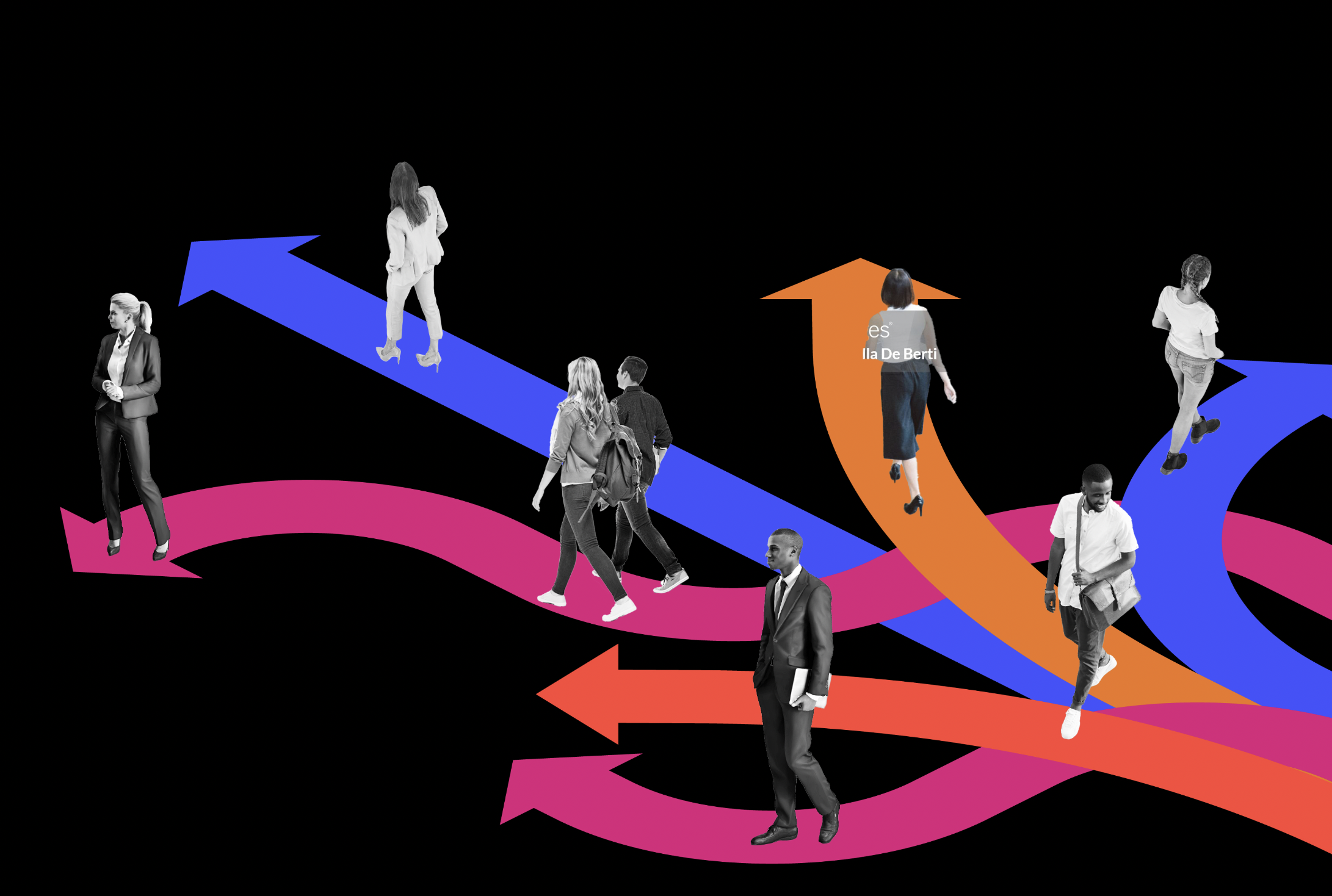









Strengthening academic networks to enhance regional growthUniversities can boost their social impact by adopting outward-looking strategies that encourage partnerships with local industry and governmentElsevierElsevier
Seeking collective solutions to AI’s ethical challenges Universities and their funding partners should not have to navigate the ethical complexities of using AI in research alone. A panel at the 2024 THE World Academic Summit argued for drawing up a shared framework ElsevierElsevier
Measuring the real-world impact of universitiesData plays a vital role in measuring and enhancing the impact of higher education institutions across the worldElsevierElsevier
The power of the collective in promoting sustainabilityThe challenges in meeting the United Nations’ Sustainable Development Goals might seem insurmountable but a shift in mindset can accelerate progressElsevierElsevier
The AI-driven evolution of research insightsScopus AI, the new generative AI-driven tool from Elsevier, helps researchers interrogate cited materials in a matter of secondsElsevierElsevier
Breaking academic barriers: large language models and the future of searchThe true potential of generative AI and large language models remains underexplored in academia. These technologies may offer more than just answers. Here’s how the insights they offer could revolutionise academic search and discoveryAdrian RaudaschlElsevier
Life after publication: promote your work for maximum impactSeeing your work in print is by no means the end of the story. Chris Tancock offers advice on how you can make your published work stand out and benefit from the broadest visibilityChristopher Tancock Elsevier
Ten tips to succeed in publishing in English as a second languageEnglish is now selected five times as often as the authors’ national language for journal article publication. Christopher Tancock explains how you can get published even if English is not your first languageChristopher Tancock Elsevier

Creating an impactful visual abstract with no design experienceThe basic principles of design offer guidelines for creating a scientific visual abstract. This guide will take you from blank space to eye-catching, easy-to-understand graphicsLipsa PandaElsevier
How to encourage gender equity in interdisciplinary research A study into gender balances of interdisciplinary research teams shows that the presence of women is beneficial up to a point. Elisabeth Browning suggests ways funders and institutions can encourage their participationElisabeth BrowningElsevier
Great citations: how to avoid referencing questionable evidenceResearchers don’t always stick to careful citation practices and occasionally cite evidence that has been questioned or even retracted. Find practical tips on how to avoid citing faulty evidence and maintain good citation hygieneDmitry MalkovElsevier
The evolving meaning of ‘corresponding authorship’ in researchHow the role of the corresponding author is changing in terms of research team dynamics and the perception of its meaning, and the implications for assuming the roleRachel Herbert, Alison McIntoshElsevier, University of St Andrews
Are you ready to publish? Top tips on how to prepare your manuscriptFrom explaining the publishing cycle to outlining what makes a strong manuscript, Jing Tang walks ECRs through key steps when preparing to publish for the first timeJing TangElsevier
How to enhance your chances of serendipitous research discoveriesFive approaches that will help researchers prepare for and make the most of serendipitous opportunitiesRachel HerbertElsevier
Don’t worry about journal acceptance rates – and here’s whyDeciding where to submit a manuscript? A journal acceptance rate is a useful signal to prospective authors of the probability of acceptance of their manuscript – no more and no less than thatRachel HerbertElsevier