Creating an impactful visual abstract with no design experience
The basic principles of design offer guidelines for creating a scientific visual abstract. This guide will take you from blank space to eye-catching, easy-to-understand graphic
Student-centred learning design promotes engagement, critical thinking and problem-solving, which leads to enhanced real-world skills. M. C. Zhang and Aliana Leong share their strategies
Phoebe Allen, an A-level student with cerebral palsy and full-time wheelchair user, outlines how universities can better accommodate disabled students
Advice for institutions to develop more accessible and inclusive campuses for students and staff with disabilities, by Jon Roylance
Listening scripts need to replicate authentic lectures – but you also need to factor in subject matter, tone and question types as you go
Creating a university timetable is a complex and challenging task that requires significant planning and organisation. Yağmur Çerkez explains how it can be done quickly and efficiently
Coaching is a popular tool for personal and professional development. Rushana Khusainova discusses how it can be used in higher education
National teaching fellow James Derounian highlights the potential for recycling graduate contributions back into university teaching
Advice for supervisors to tailor their support and guidance for neurodiverse postgraduate researchers, based on conversations with two autistic PGRs
LGBTQ+ staff bring to campus qualities such as courage and sensitivity that are key to leadership. Now a UK programme aims to develop those strengths in future academic and professional services leaders
An international partnership is like a marriage – once the courting is over, long-term compatibility is crucial, says Debra Hinds
David Waller explains why and how to give case studies a historical context to deepen students’ understanding of why certain decisions are made
Risk, chance and disruption can be paths to innovative teaching practice. Here, Michelle Prawer offers ways to bring more flexibility into the classroom
We must extend belonging to help students feel they’re cut out for college, lower barriers such as impostor syndrome and ultimately support learning, says Flower Darby
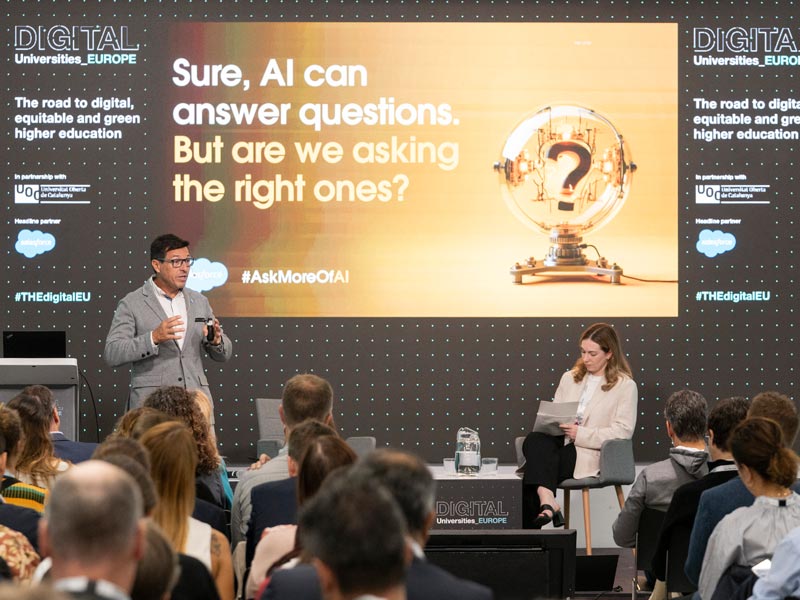
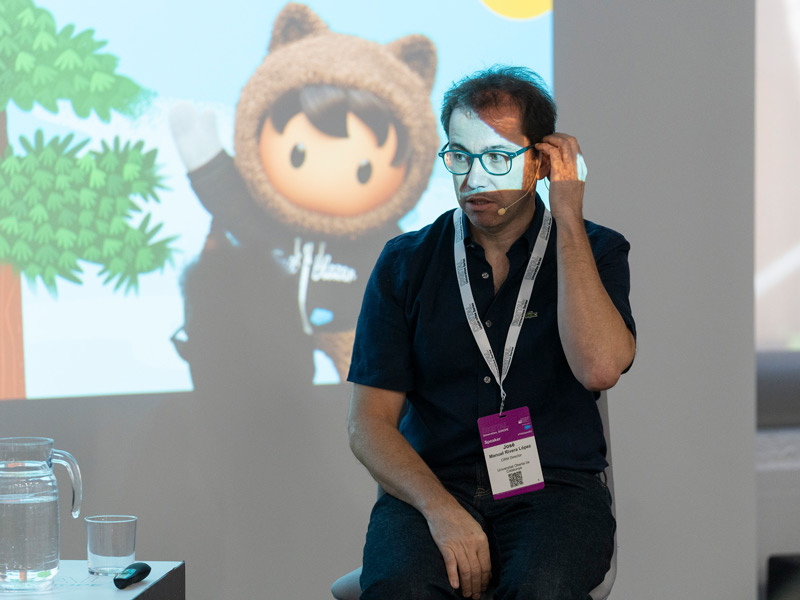
New AI tools such as ChatGPT increase educators’ capabilities, freeing us from fact-gathering to focus on more sophisticated problems and higher-level understanding, writes Esteve Almirall