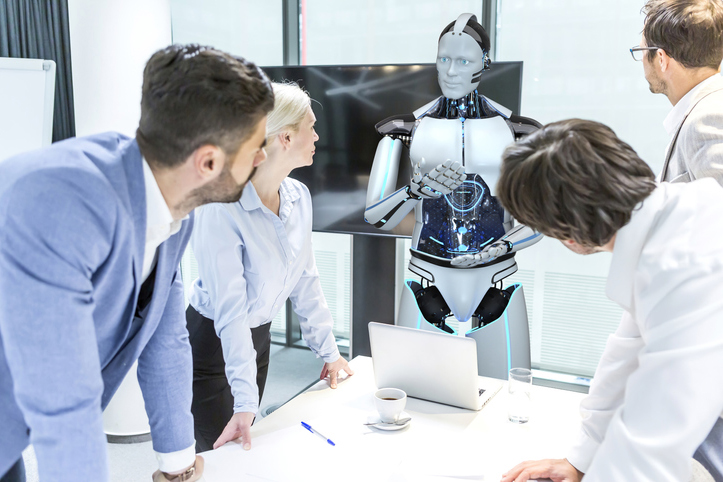
Confronting generative AI in the fast-changing higher education sector
The sudden rise of advanced digital tools has compelled educators to move beyond scepticism and integrate technology into education
By building effective partnerships, universities can use online learning programmes to bridge the accessibility gap in higher education in the US
Virtual reality can make introductions more fun and expose students to new technologies. Here, Elvira Luna offers her tips for introducing it into COIL classes
Presenting sustainability research in a story – with a protagonist, goal and resolution – can bridge the gap between complex theory and real-world results for wider audiences and policymakers alike
Educational institutions should focus on empowering diverse groups of learners through inclusive and accessible digital learning materials
From supporting classroom debate and discussion to problem-solving and decision-making, here are ways that artificial intelligence can enhance teaching and learning
Public records and private lives? In uncovering LGBTQ+ stories in personal archives and impersonal documents, historians should ask questions about how each source engages with gender and sexuality, writes Isabell Dahms
Endowment funds are important financial safeguards for universities, but transparency on how they are run and governed is an imperative. Here are some ways institutions can inspire confidence in these fiscal safety nets
Embracing change is vital for research groups that want to make an impact, writes Daniel Moraru. Here, he outlines ways to do this while aligning with shared values that ensure consistency
A case study showing how simulations, role playing and gamification can develop students’ global citizenship and help grand challenges feel more surmountable
We can’t yet know if we have a full taxonomy of ChatGPT-enhanced mischief, or whether certain uses should be classed as mischief at all, writes Tom Muir
Many early career researchers struggle to write enough. The key is to move away from an abstract notion of productivity and towards a productive writing process, explains Rachael Cayley. Here, she offers questions to help ECRs find their writing rhythm
While online degree programmes provide opportunities to create digital-ready graduates, ensuring the quality of online learning presents a challenge for institutions
Farish A. Noor draws on three decades of teaching across different continents to offer advice on the challenges inherent in teaching students from diverse backgrounds
A look at common features of large language model-created writing and its implications for how we might assess students’ knowledge and skills in the future