Scribbling down shorthand notes at a hearing in the Royal Courts of Justice on 3 February this year, my phone began to silently buzz – a call from an unknown mobile number. Waiting until the eminent KC had finished his speech, I left the oak-panelled chamber to listen to the message. Rushing to file copy, however, I decided, on second thoughts, to take the voicemail at my desk, about 10 minutes away in Holborn.
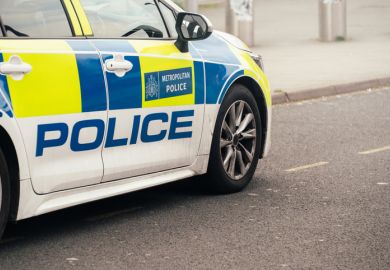
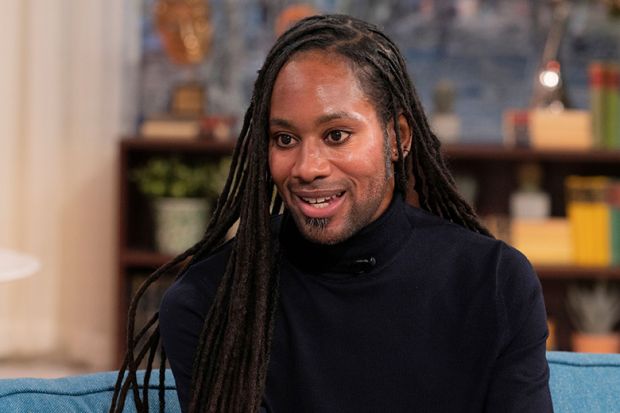
I was shocked to hear it was from the Metropolitan Police, asking me to call them back. Why? Nothing remarkable had happened to me in the previous year. When I rang back the officer explained a complaint had been made against me regarding the University of Cambridge professor Jason Arday, but the matter was now closed.
But it was important, the officer explained, that I not contact him again, because it was affecting his mental health.
However, I hadn’t emailed Arday in four months – my last direct email had been in September, offering formal right of reply to allegations that he had plagiarised his PhD.
That allegation was not made lightly: I had assembled a 63-page report which detailed how he had apparently used, without proper citation, huge chunks from a thesis written in 2009 by another student, Paula Zwozdiak-Myers, now a highly respected education academic at Brunel University of London. Further checks found passages that seemed to be lifted from the work of researchers based in the US, Australia, the United Arab Emirates and elsewhere in the UK. In total, I submitted 97 pages of evidence to both Cambridge and Arday’s awarding institution, Liverpool John Moores University, for their investigation.
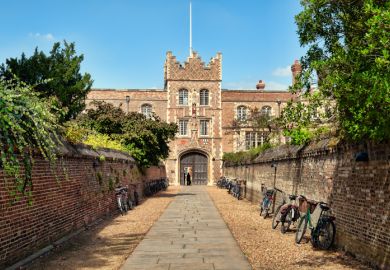
Serious allegations, certainly. Deeply embarrassing and distressing, definitely. Although Arday was eventually cleared of plagiarism by an LJMU review, a frenzy of coverage led to Cambridge opening an investigation into Arday’s academic record and CV, followed shortly afterwards by Arday announcing his resignation.
But were my enquiries grounds for a criminal complaint? That was hugely troubling to me as a reporter who specialises in examining issues of research integrity and ethics.
At Times Higher Education, we cover stories of this sort frequently: in June a French science communicator was stripped of his PhD and we covered the matter. That article attracted little complaint; the expert checks had been done, misconduct established and the decision confirmed publicly. Journal retractions, inappropriate use of artificial intelligence in research and breaches of ethical norms are part of the diet for THE readers.
But maybe my journalistic pursuit of this story was too “incessant”, as Arday has claimed, hounding him about details on his personal biography that had little bearing on his academic role, as he suggested.
In fact, prior to the letter that garnered a response from his solicitors, I submitted only three polite emails directly to Arday over the course of two months, asking about suspicions raised by multiple professors about plagiarism or odd data in his 2018 Social Sciences paper, then a further one about discrepancies in his CV and, finally, when and where his much-vaunted running achievements and charity activities took place.
Phrased very politely, these emails were factual: there was almost no evidence, I said, that he had completed any of these runs, particularly the 600 miles in six days slog. That feat, according to one YouTube talk, took place between Edinburgh and London in 2013 but there was no record of it, despite lesser runs gaining acres of publicity in local and national news.
I continued to receive no response from Arday, with all subsequent responses coming via the Cambridge press office.
I believe these were all legitimate enquiries to put to Arday – particularly regarding the concerns around his prior papers, which had been the basis of his rise from a PhD student to professor within six years.
I wasn’t inclined to explain to the Scotland Yard officer the minutiae of research ethics or plagiarism conventions in UK academia, but I explained that I was a journalist looking into a story with a public interest dimension, and asked him whether he realised that he was calling a journalist.
He told me that Arday had said I’d been making online posts against him. But I hadn’t made any online posts about Arday, so what was the complaint?
He didn’t really respond, simply repeating his request that I should not contact Arday again.
On reflection, I had, in fact, made one online post about Arday – back in February 2023. Amid the hoopla of his Cambridge appointment, I was asked by my editor to request an interview; there was no response but I sent a congratulatory tweet, referring to the fact that Arday has written for THE on several occasions.
I was even inclined to overlook a softly phrased email I received later that year from Dave Harris, an emeritus professor at Plymouth Marjon University, flagging a journal correction for “inadvertent overlap” in a 2018 Arday paper. Harris did not, however, use the word “plagiarism” in his email and I missed the importance of that tip-off.
It was only when a different professor raised concerns relating to ethics clearance on other papers in June 2025 that I looked properly at the inconsistencies – and then, at Arday’s CV and his inspiring personal biography. The discrepancies felt compelling and it led me to review his PhD thesis for plagiarism.
Despite the thoroughness of my investigation, THE did not run the story. While I was personally disappointed, I understood; by this point, Arday’s solicitors had been in touch with THE and it was clear that the story could tie the publication up in months of expensive litigation. Even if we were right – and I stand by my reporting – it would have been ruinously expensive.
Instead, I waited for university research misconduct procedures to run their course, trusting publicly funded institutions to follow their own rules and investigate the claims in a timely, fair and transparent manner.
Unfortunately, the investigations took so long that concerns about Arday’s academic record spread across the academic grapevine, eventually reaching Nathan Cofnas, a former research associate at Cambridge, who ran a plagiarism check. His check uncovered allegations of large amounts of alleged plagiarism, but his investigation began nine months after I had raised my concerns.
It would have far better if the matter had been expedited, recognising the gravity of the claims. They were raised by a reputable sector publication, staffed by trained and conscientious journalists, which has no desire to inflict damage on the sector. Instead, the legal threat meant they were picked up by a Substack blogger who knew the potency of what he had found and was ready to draw conclusions that I do not agree with. For me, this was, above all else, a story about potential research malpractice – it should have remained that way.
I am immensely proud to be a journalist at THE. I have interviewed some academic giants over the years: Anthony Giddens, Lyndall Roper, Mary Beard, Venki Ramakrishnan. Among the brilliant black and ethnic minority scholars that I’ve interviewed are music expert Mykaell Riley at the University of Westminster, historian Barbara Savage at the University of Pennsylvania and Islam Issa, professor for the public understanding of humanities at Birmingham City University.
I have been honoured to speak to these individuals and there is no doubt that UK academia is massively enriched by having diligent and dedicated scholars from all backgrounds, and all parts of the world. They are hugely deserving of their acclaim. But I ask them difficult questions too.
I also regularly speak to outstanding early career researchers and educators endeavouring to do good research to the highest standards, despite considerable personal adversity and a nightmarish academic jobs market. They remain committed to the scholarly values drilled into them by equally dedicated mid-career scholars and professors.
Arday’s resignation marks the end of one chapter, but with Cambridge now investigating, this is unlikely to be the end of this extraordinary story.
And, in case you’re wondering, the hearing that I was covering in February was the University of Sussex’s appeal against the massive fine imposed on it by the Office for Students. Huge resources were spent on that mishandled and misguided investigation and subsequent legal appeal.
Cambridge’s position up until now had been that it was for LJMU, the awarding institution, to investigate Arday’s PhD. This may have been technically correct, but given Arday’s high profile, and the seriousness of the allegations against him, many in the sector found Cambridge’s response to be inadequate for too long.
To my mind, and I’m sure this view is shared by others, using an arcane technicality within Cambridge’s Byzantine research procedures to prevent further scrutiny of questions about Arday’s academic track record risked bordering on the farcical. Cambridge may have put this right at last, but in the minds of many in academia and wider society, it is the Arday case that now demands the sector regulator’s attention.
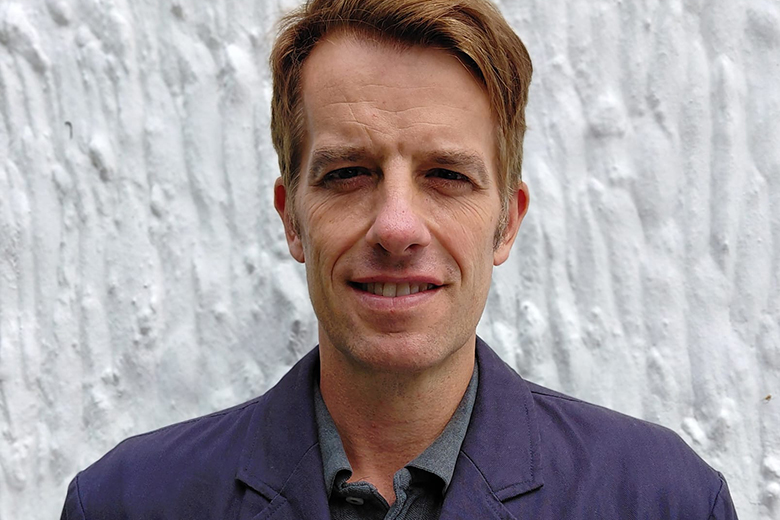
Jack Grove is a reporter and deputy features editor at Times Higher Education.
Register to continue
Why register?
- Registration is free and only takes a moment
- Once registered, you can read 3 articles a month
- Sign up for our newsletter
Subscribe
Or subscribe for unlimited access to:
- Unlimited access to news, views, insights & reviews
- Digital editions
- Digital access to THE’s university and college rankings analysis
Already registered or a current subscriber?