ADVERTISEMENT
Editor’s note: the Jason Arday case and Times Higher Education
In examining sociologist’s PhD thesis, our journalists were seeking to address matters of legitimate public interest, writes Chris Havergal
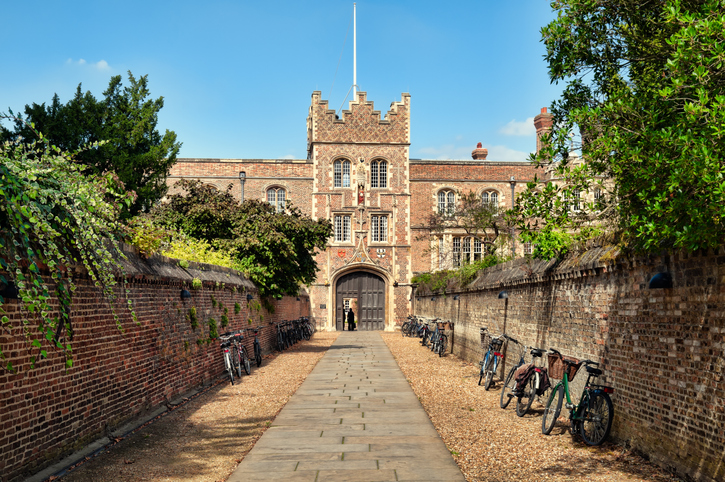
Source: Getty/Fazon1
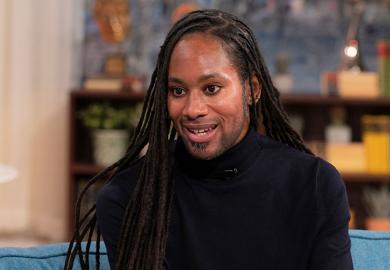
The higher education headlines have been dominated over the past week or so by claims and counterclaims about the academic record and life story of Jason Arday, professor of the sociology of education at the University of Cambridge.
A handful of articles have made reference to this publication, reporting that last year Times Higher Education had investigated some of the issues now being discussed but ultimately did not publish a piece following correspondence with Arday’s solicitors.
While I do not intend to give a commentary on our editorial decisions, I can say that I felt that our enquiries, particularly in relation to similarities between the text of Arday’s PhD thesis and another academic’s dissertation, reflected matters of legitimate public interest. Editorial decisions are based on a wide range of considerations and ultimate responsibility for them rests with me alone, as editor.
An investigation at Liverpool John Moores University, the institution where Arday completed his PhD, has since cleared him of wrongdoing. Nonetheless the case has taken on a life of its own in the national media and online, and Arday has offered interviews stating that he should be held “accountable for the mistakes I’ve made”, attributing them to inadequate supervision and his autism and learning disabilities. He has also claimed that he is a victim of a “racially motivated” campaign to oust him from his Cambridge professorship and has become a “lightning rod” for criticism for diversity initiatives in higher education.
These are substantive matters, which THE was seeking to explore in its journalistic enquiries last year. Racism has no place in higher education, and any racial harassment faced by Arday – or any other black or ethnic minority scholar – is abhorrent and should be condemned as such. But while there will no doubt be those who will now seek to twist the facts of the case to fit their own agenda, it cannot be that such concerns lead to legitimate questions about academic integrity being dismissed.
ADVERTISEMENT
It has also been reported that a THE journalist who was examining Arday’s academic record was reported to the Metropolitan Police for alleged harassment. Journalists making legitimate enquiries should not be the subject of four-month police investigations, and I am glad that the Met have acknowledged that they were wrong to tell our reporter not to make contact with Arday.
THE and its journalists serve the higher education sector in the UK and globally to the best of their ability, seeking to champion its interests but also acting as a critical friend that asks challenging questions. This is what we were seeking to do in this case, and what we will continue to do in future.
This article was updated on 6 August to add a reference to the Metropolitan Police investigation.