Paid research internships can level the playing field for bioscience students
Research experience is invaluable – but only if students can afford to take part. Learn about a scheme that supports under-represented students
September 9, 2026
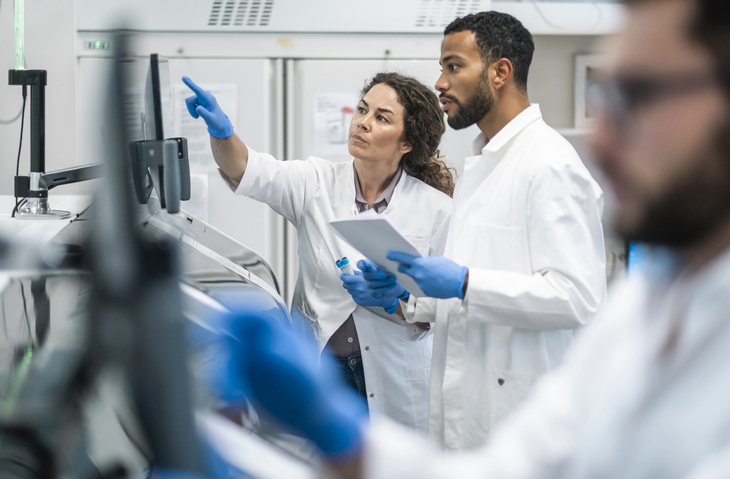
Research experience is invaluable – but only if students can afford to take part. Learn about a scheme that supports under-represented students

Open science may seem impenetrable for early career researchers. Sarahanne Field explains what it is and how to get started
Faculty, staff and students opt out of sustainability conversations when they are not sure how to engage. A dedicated network can foster a lab community and share ways to reduce the environmental impact of research
An integrated approach to campus data can guide strategic planning and decision making to improve efficiency, reduce energy consumption and lower institutions’ carbon footprint
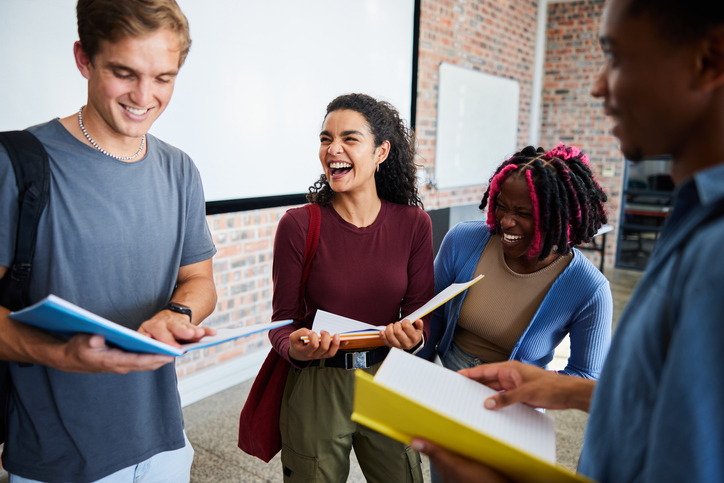
Graduate apprentices are often split between campus and workplace, their status between student and employee. Here’s how to foster psychological safety between cohorts
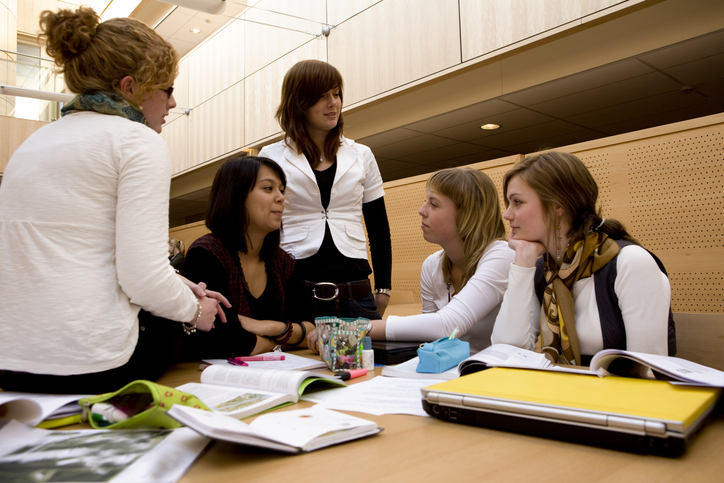
Interdisciplinarity can feel vague and abstract. Read guidance on helping students understand how concepts are defined and how approaches to problems differ across disciplines

When finished text no longer reliably indicates students’ ability to produce structured formal prose, educators can ask them to show more of their writing and judgement process
Four principles for embedding AI literacy in university outreach, to create a sustainable learning ecosystem

A good class creates a sequence of mental events that cannot be outsourced: prediction, surprise, judgement, revision and retrieval, writes Emilia Samit
One way to navigate the tension between fear of AI’s impact on creativity and using it to enhance these processes is to take a human-centred approach to its use. Hyesoo Yoo explains

Let’s build a culture where local communities can benefit from ground-breaking research. Here’s how a funding programme helped develop research aligned with the SDGs

To help students start academic work on time, educators can use an approach that both guides them and pushes them to manage their own journeys

How to create a positive first impression and transform the first class from a passive briefing to an interactive launchpad for learning

To help students connect their classroom learning to the messier results of the real world, perhaps living labs are the answer. Find out more

If educators want to understand student confidence, inclusivity, belonging and engagement, they could consider returning to the classroom as a learner