Listen up: why audio assessment needs better design
Without intention, an assessment based on podcasting can end up confusing students. Here’s why intention is key
September 18, 2026

Without intention, an assessment based on podcasting can end up confusing students. Here’s why intention is key

From celebrating your university library to demonstrating your own source selection process, learn strategies to help students confront increasing misinformation and disinformation online

Any task whose assessed object is a final number or tidy conclusions is not measuring students’ thinking, writes Lucas Long. He shares three ways to put the reasoning back at the centre of learning
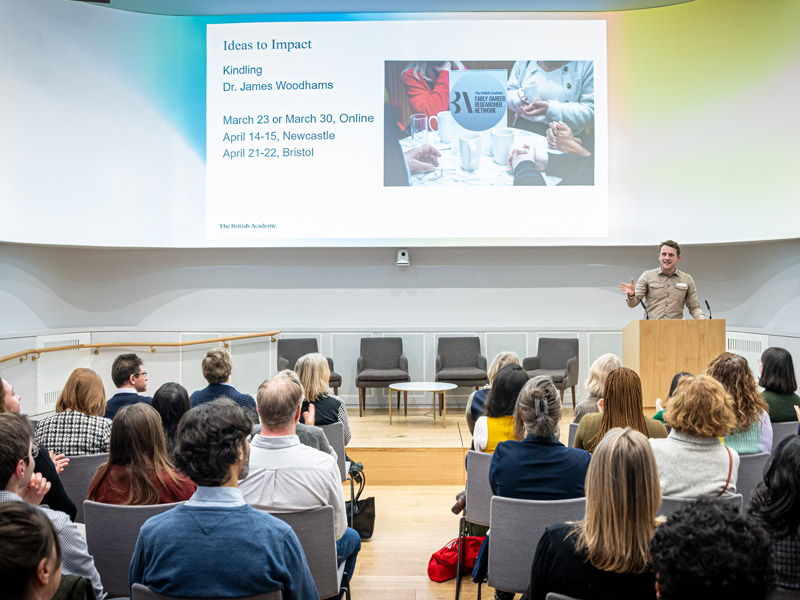
The British Academy has introduced a three-year programme to foster leadership skills among early career researchers
In a world transformed by AI, prioritising the learning journey within teaching and support frameworks can safeguard academic integrity while equipping students for success

For researchers interested in publishing their work with no fees for authors or readers, diamond open access publishing could be the answer. Here is a guide to the basics
Guidance on establishing a culture of collaboration and transparency in research

Systems thinking can better equip students to engage with sustainability challenges. It helps to treat it as a competence and a journey, says Fatima Lopez Castellanos

To truly change science, the next generation of researchers must understand not only open science practices but also the values behind them. Find three ways to introduce them to students

Faculty who teach large introductory STEM courses often experience burnout, writes Michael Evans. Thinking of yourself as a trainer of citizen scientists and seeing your field in the world around you can help keep teaching fresh

Make open research routine by creating a culture that welcomes questions and acknowledges uncertainty. Here’s how

Open educational resources help communicate research outcomes and contribute to shared knowledge. Read about examples and guidance on how to create them

Crossing disciplinary boundaries can be challenging, but an engineering mindset can bring fresh solutions to clinical challenges. Bendegúz Juhos explores how to bridge the gap, use open access to researchers’ benefit and find support to innovate

While disciplinary expertise remains important, future graduates will increasingly need broader capabilities to cope with uncertainty and change. Lei Zeng offers advice on how to develop them

First-year students suffer from disproportionate levels of stress. But there’s one structural fix that costs almost nothing: pass/fail assessment in year one. Find six steps to implement change