When students stop asking: ‘Is this on the exam?’
What happens when you trade exams for real clients, real problems and real deadlines? Dina Kamel outlines the benefits of unscripted problem-solving
June 22, 2026

What happens when you trade exams for real clients, real problems and real deadlines? Dina Kamel outlines the benefits of unscripted problem-solving

To get a full picture of the impact of PPI, would it be better to focus on improving the process of involving people in health research as well as measuring outcomes?
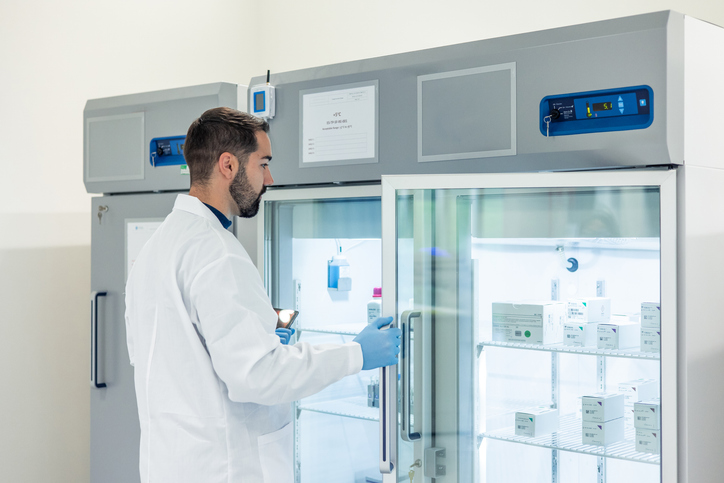
Ultra-low-temperature freezers in laboratories can use as much energy as two UK households per year. Here’s how to make cold storage as efficient as possible
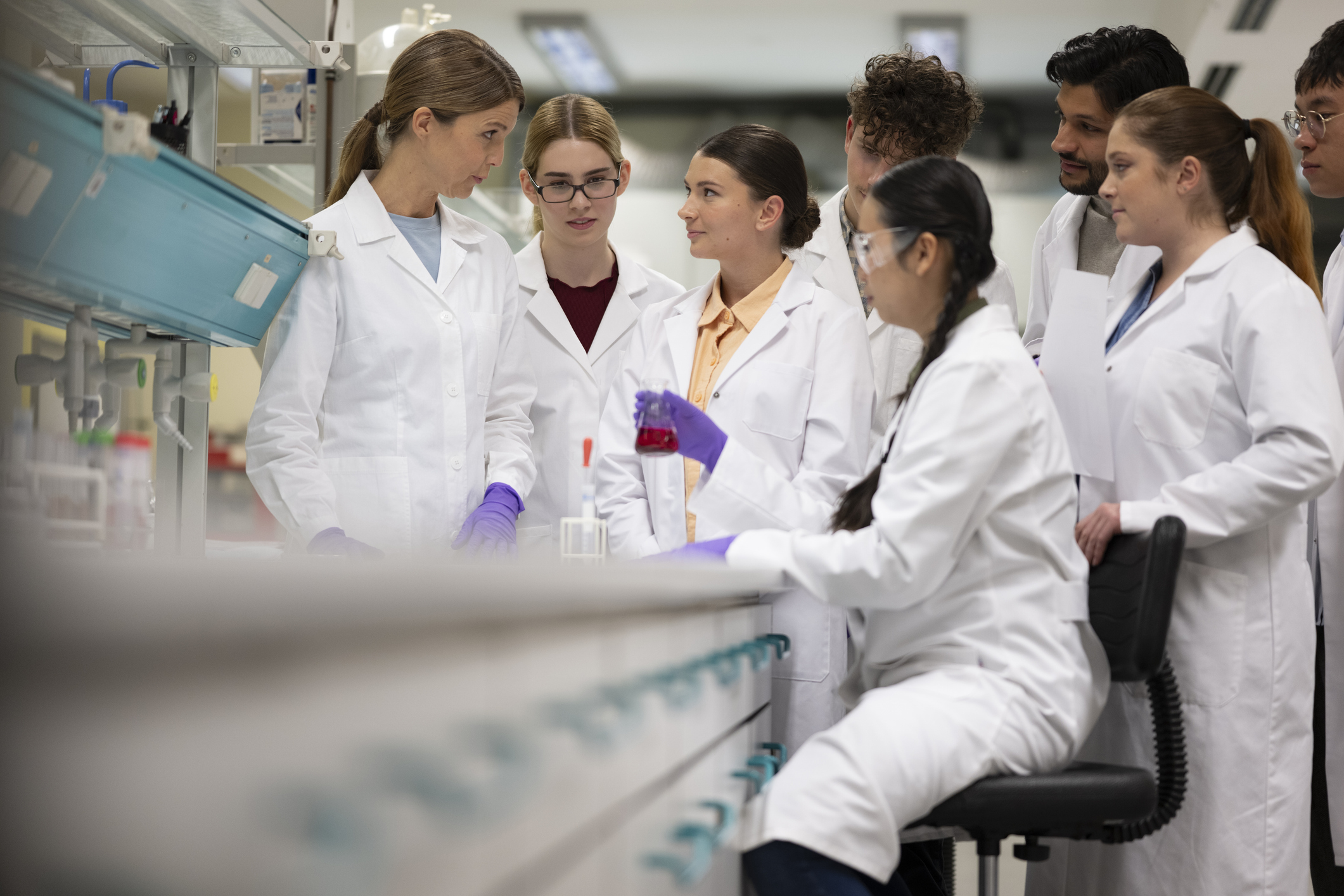
From cleaning glassware to choosing cooling systems, learn how small teaching interventions can help students experiment more sustainably
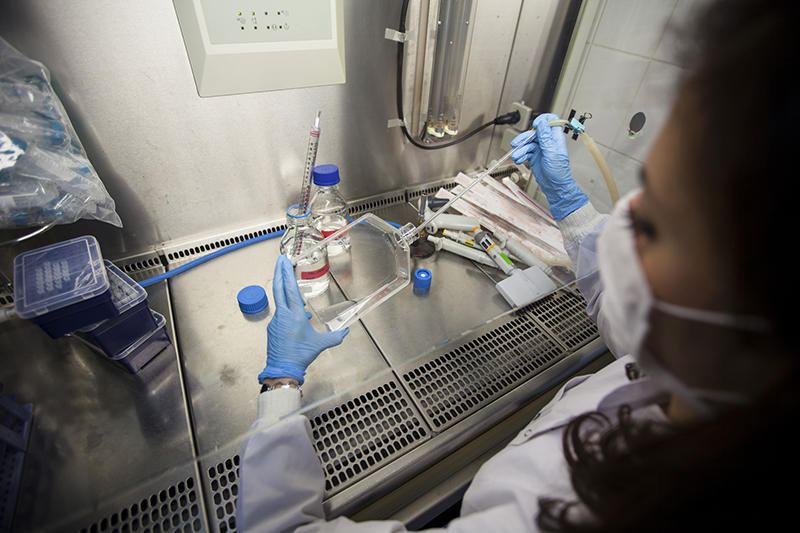
When it comes to improving green practices across a university’s laboratories, meaningful change doesn’t always require major investment or new infrastructure. Small but intentional practices can yield substantial results

With higher education navigating rapid technological change, the key to embedding AI literacy in the workforce of tomorrow could be a focus on collaboration over competition

By acknowledging that perspectives are evolving and relational, educators and leaders can encourage contribution and connection without sacrificing what makes people distinct
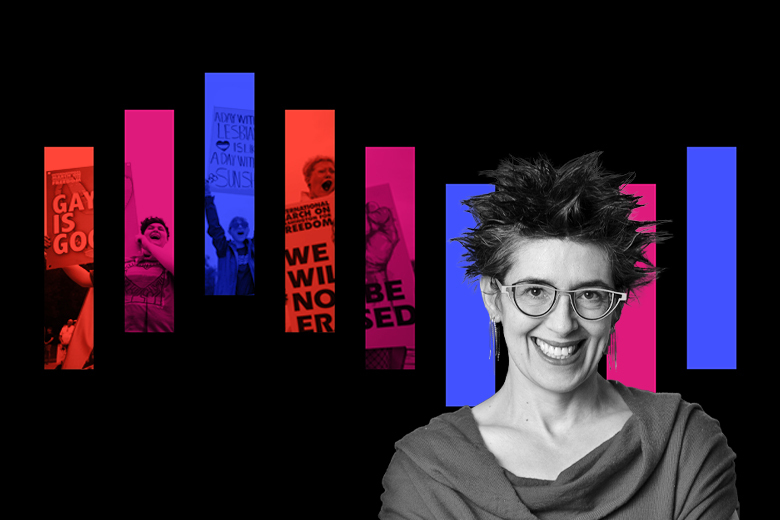
An LGBTQ+ scientist explains how funding cuts as a result of the US administration’s attacks on DEI-related research gave rise to a ‘gonzo science’ project and why data collection is its own form of resistance
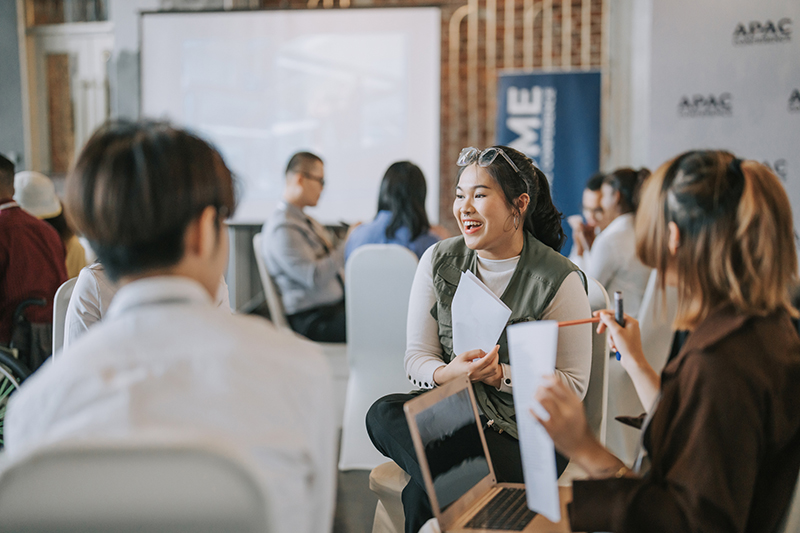
When educators share the design and implementation of course material and assessment rubrics, they give students a stake in their own and their peers’ learning

Comments such as ‘This is a good essay’ might reassure but won’t help a writer improve. Here’s how to show students what strong and weak peer feedback looks like

Flexible pathways and modular curricula will only fit into students’ real lives if courses are intentionally designed, co-created and evidence-informed, writes Harriet Dunbar-Morris. Here she shares a leadership toolkit for lifelong learning reform
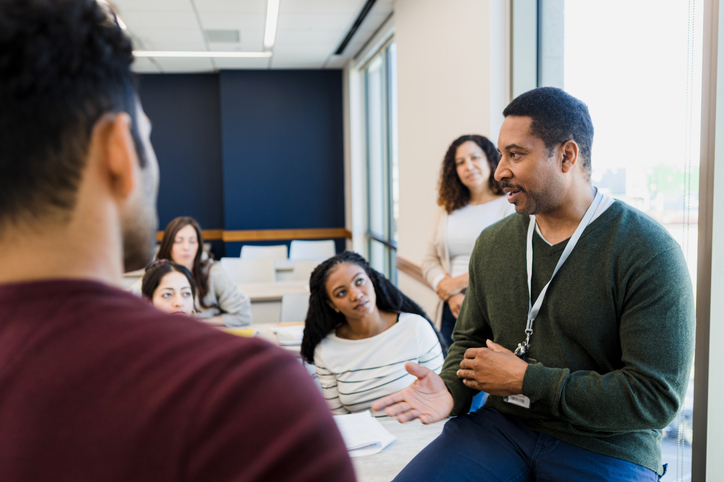
Rather than react with fear to GenAI and attempt to ban it, let’s rethink traditional pedagogy instead, for more meaningful learning

It takes an intersectional approach, empathy and willingness to listen to cultivate affirming environments for marginalised groups, says Mazal Oaknín

Students working towards creative careers have mixed feelings about AI and its potential effects on their job prospects. So education must consider the best practice in the application of tools but also teach students design fundamentals
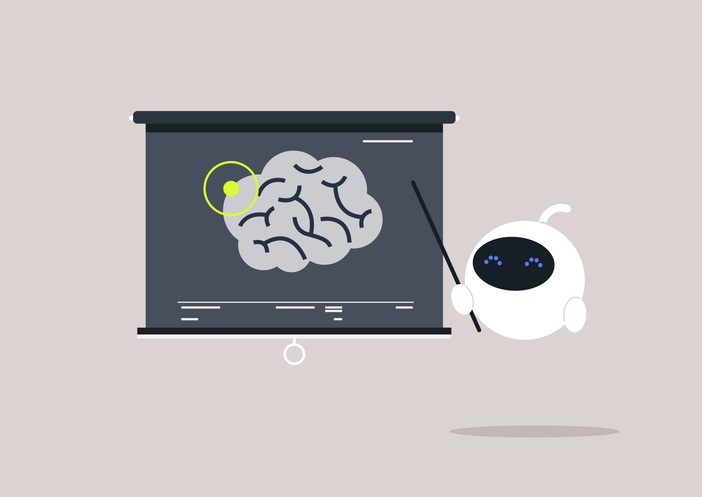
Instead of trying to detect students using AI for their work, we need to think differently. Here’s where to start