Campus Talks: What does ‘AI across the curriculum’ look like in practice?
We find out how one US institution has led the way in embedding AI across all its majors and what has been learned in the process
June 4, 2026

We find out how one US institution has led the way in embedding AI across all its majors and what has been learned in the process

Looking for investment to turn your research into a company? Don’t think it’s all over – here’s how to knock it out of the park

Practical strategies for researchers engaging with trauma-related issues and participants with experience of trauma

While robust EDI policies are essential, equity, diversity and inclusion efforts become truly meaningful when visible representation and everyday interactions are prioritised across the institution

LinkedIn can help researchers build international collaborations, but only when it is treated as a professional community, not just a digital CV. Follow these tips to grow your profile
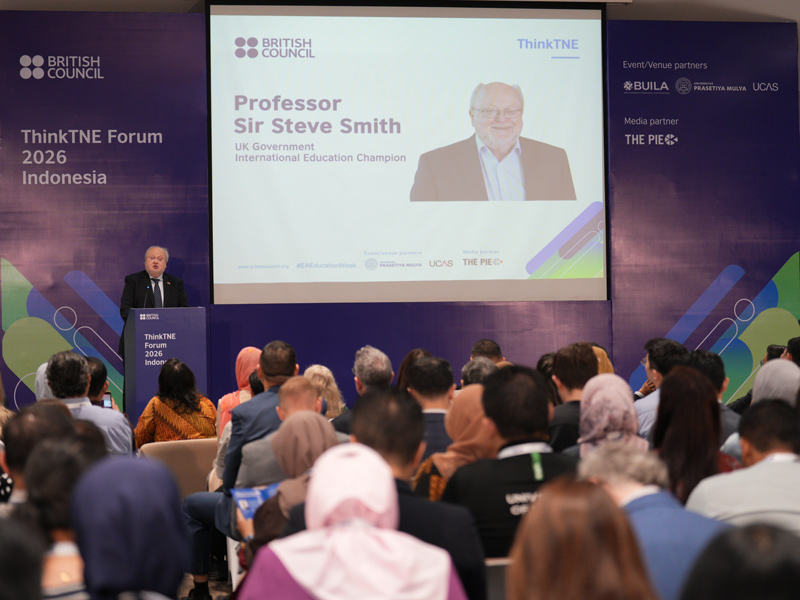
The structural shifts within East Asia’s TNE landscape, including institutional partnerships, regulatory reforms and skills priorities, are redefining the next phase of its growth

A five-stage framework, enhanced by GenAI, can help educators create more interactive, inclusive and responsive online learning experiences that boost student engagement and learning online

Data alone will not ensure effective student support. From careers to well-being and disability services, using it successfully requires collaboration between academic and professional services, training and shared accountability, writes Aleata Alstad-Calkins

Students and academics are on different planets in terms of AI use, creating a culture of distrust and secrecy. Dina Kamel offers three ways to close the gap

By combining a comprehensive style guide with practical workshops and continuous feedback, among other strategies, universities can ensure English communications are clear, professional and consistent

The primary source of institutional AI proficiency must be universities themselves, not the technology companies who offer training for their platforms. Without that agency, we risk surrendering educational practice to commercial interests, write Amy Allen and David Hicks

Publishing educators are ideally placed to encourage students to see through the GenAI hype and recognise the value of human creativity. Explore and reflect on the tools with these tips

To encourage AI use that aligns with institutional polcies, university governance must prioritise transparency, usability and academic autonomy. Learn how

Practical advice for universities and departments that want to begin including public work meaningfully in hiring, tenure and promotion standards

Students care deeply about climate change – here’s how to design teaching to prevent them feeling powerless as a result