Teaching future-proof skills: lessons from degree apprenticeships
How degree apprenticeship-style teaching can develop the creative and social intelligence students need to succeed in a changing workplace
November 12, 2025

How degree apprenticeship-style teaching can develop the creative and social intelligence students need to succeed in a changing workplace

A festival-style event can boost survey participation and show students that their feedback leads to change. Here’s how to run one
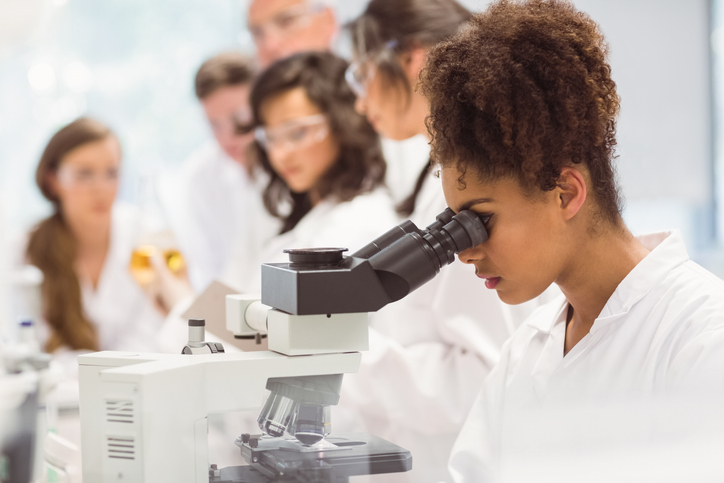
Find out how one educator integrated the transferable skills students need for employability into a content-heavy course

When graduate students learn to use AI transparently, to seek approvals, respect Indigenous consent and critically assess outputs, they develop skills essential for both academic success and professional practice
AI-assisted grading can enhance the efficiency and quality of assessment and feedback processes. However, transparency and human oversight are essential to ensuring fairness and reliability in its use

Find out how to encourage critical thinking in the university classroom by working with GenAI tools, rather than against them

Combining collaborative accountability with personal ownership helps students take risks, navigate challenges and reflect more deeply, writes Dane Taylor
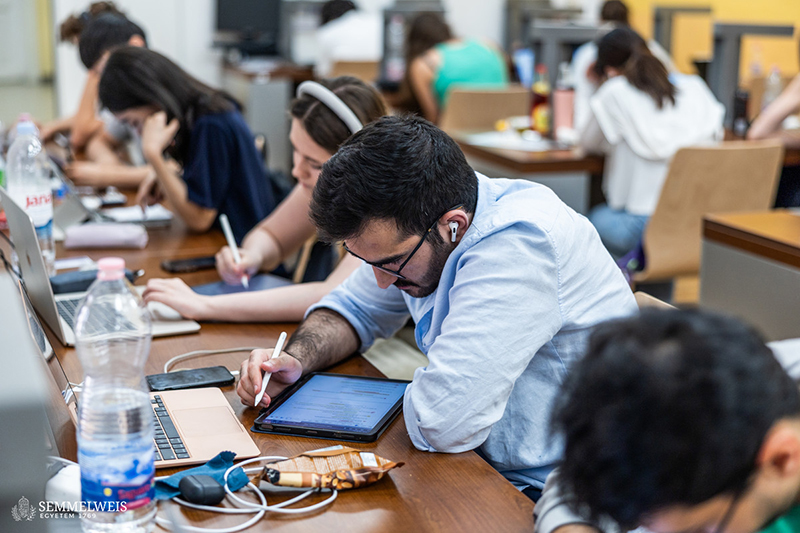
Exam stress in all its forms will be familiar to most university lecturers. What is less discussed is how educators’ awareness can ease students’ nerves and lead to better outcomes

During times of financial constraint, don’t rush to define kindness to students as an unaffordable luxury. Instead, let’s change the way we think

Three educators share what they learned from applying for National Teaching Fellowships – from overcoming self-doubt and building peer support to discovering that reflection is its own reward
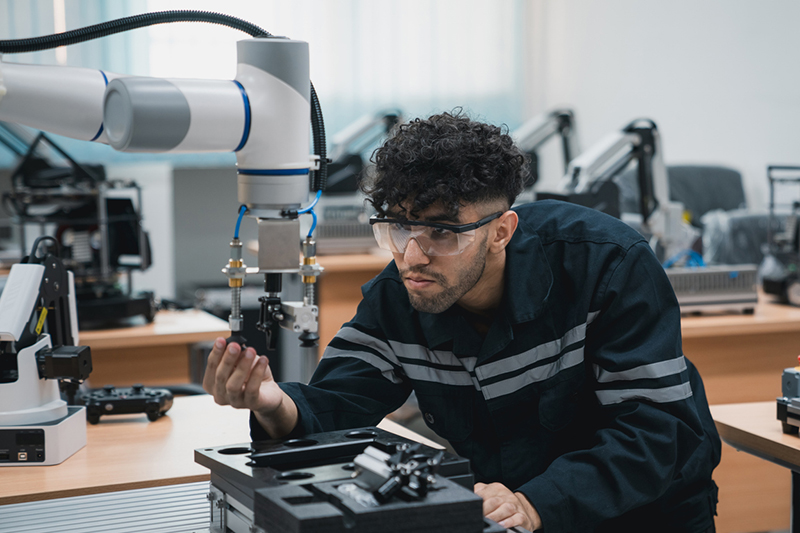
Motivating engineering students when information overload threatens to sap their attention requires real-world industrial collaborations, a customised learning experience and a focus on impact

Learn from leading voices, innovative teams and individuals across the university sector, whose work has been recognised in the shortlist for this year’s Times Higher Education Awards

As major employers and civic bodies, universities have the opportunity – and responsibility – to work with local communities to drive meaningful change. Here are lessons from community organising

To accomplish the Sustainable Development Goals, students need to be equipped to tackle real-world issues across disciplines. Here’s how it can be done

By replacing classroom work and exams with real-world projects, educators build soft skills and foster industry partnerships that prepare students for dynamic careers