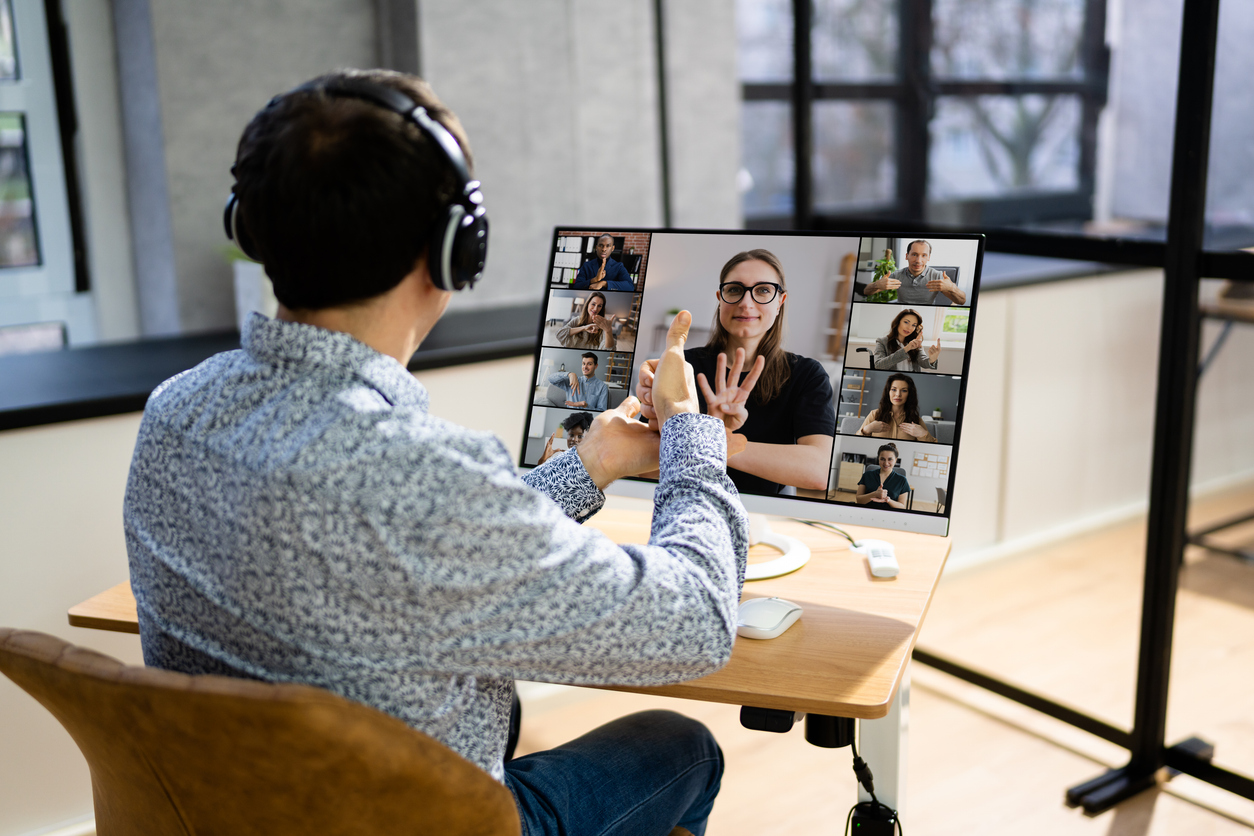
Beyond captions: how to build truly inclusive environments for deaf students
Practical, evidence-based strategies to reduce visual overload, improve conceptual clarity and enable deaf and hard-of-hearing students to participate fully
On a transnational university campus, the library can be a space that encourages intellectual risk-taking, engagement with equality, diversity and inclusion objectives, and collaboration on global challenges such as the climate crisis
Reversing the flow of knowledge – so students, rather than established professors, drive enquiry – could help the next generation of scholars prepare society, and themselves, for the future, writes Robert Gibbs
Pre-16 outreach is vitally important for helping under-represented groups achieve success in higher education. But its positioning within a university structure can make a real difference to its influence. Find out how here
Rethinking the role of the teacher builds on alternatives to scripted material, such as studio-style sessions, flipped problem-based work, team-based clinics, Socratic debates, in-class case simulations and live data analysis
How a ‘digital fast’ can give students time and mental clarity – and how to support them through the process
Learn about the journey from academic researcher to entrepreneur and what it takes to launch a successful spin-out company, from a serial founder
Learning to use an LLM is easy but developing human intellect is hard – and that’s what the university classroom should be for. Here’s how to help students work on their mental muscles
How better communication, collaboration and mutual understanding can transform relationships between academics and the colleagues who support them
The PhD path is often paved with ambiguity and rejection. Supervisors need to take a more bespoke, multidisciplinary approach to bring out the best of their doctoral candidates
Part-time learners negotiate expectations across family, work and study. Here’s how universities can design the system to support them
Flexible and truly engaging online study are key for students with jobs or caring responsibilities. Pauline Bedford explains how institutions can go with the flow
Embedding writing time into an educator’s schedule and sharing insights with others can turn fleeting ideas into actions that improve teaching practices
GenAI raises an urgent pedagogical question for universities: how can we train students to evaluate scientific claims critically when the language of scholarship can be so convincingly simulated?
Are lab assessments truly evaluating students’ scientific abilities – or simply their physical agility in an inflexible environment? Find out how to design more accessible biomedical laboratory practices