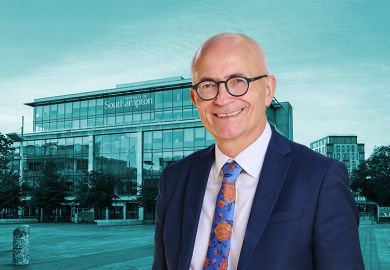
When Anders Gustavsson was required to retire from the University of Oslo at the age of 70, he initially struggled to come to terms with having to relinquish his teaching responsibilities and step away from the students he had spent years supervising.
“To cope with the psychological stress in the spring semester of 2011, I had to seek advice from psychiatrists,” he writes in a book about age discrimination in academia.
But he soon realised that as a retired academic, he would have much more time to devote to research.
Fifteen years later, at 86, Gustavsson has embraced his role as a professor emeritus at Oslo. The university has allowed Gustavsson, who lives in Sweden, continued access to certain facilities and to keep using his departmental email address, which is vital for senior researchers to stay connected.
According to Gustavsson, universities in Sweden are far less accommodating than neighbouring Norway and risk “throwing away” the years of expertise of academics who want to continue researching but are “forced to retire”.
“I’m lucky that I’m working in Norway. Luckier than my colleagues in Sweden. I live in a border region in Sweden so I can maintain contacts with academics in Sweden and Norway. I’m also a member of various academies. These links are very important to continue research,” he told Times Higher Education.
Gustavsson’s experiences have inspired him to put together Ageism in Swedish Universities and Higher Education Institutions, a book that features essays from 13 senior researchers in Sweden. It was published through Strömstad Akademi, an independent Swedish research association founded in 2008 to provide an academic home for retired researchers who may have lost institutional affiliations.
“I want other scholars to also have these possibilities. So together, we came together and thought, ‘We must write about age discrimination and have a discussion about it,’” he said. “Older academics have so much knowledge to share with society that is often neglected.”
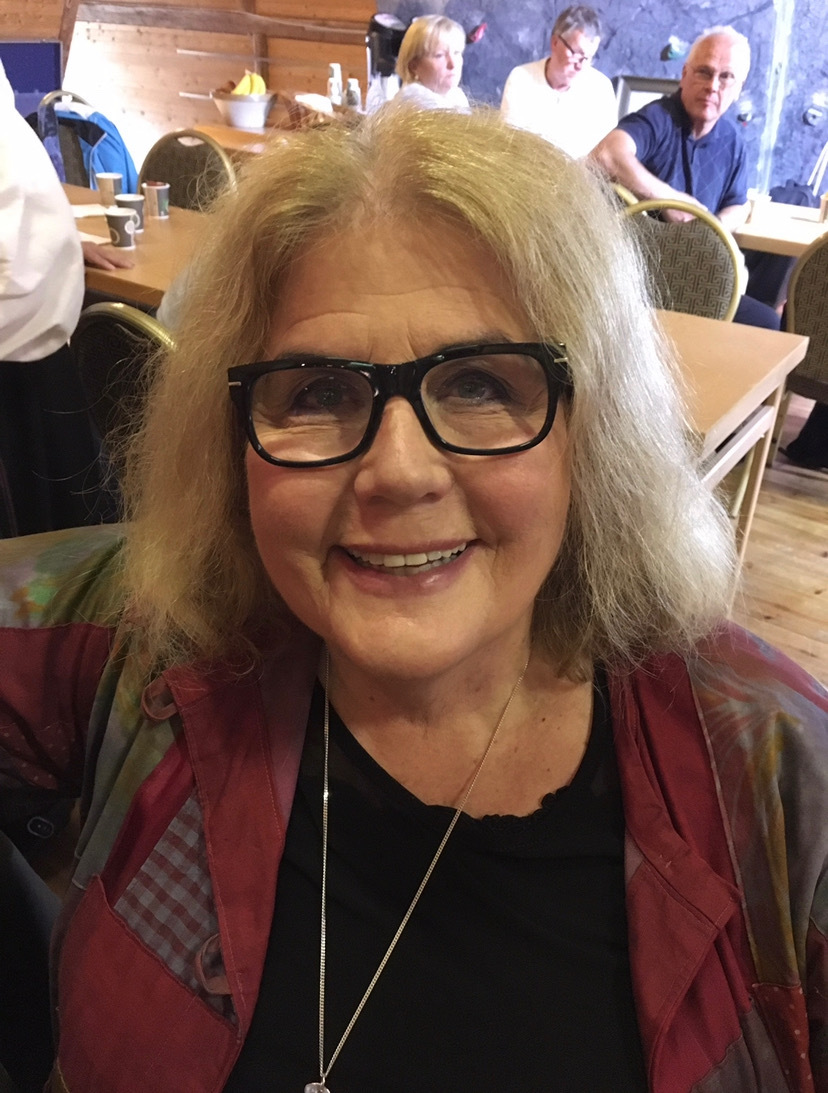
Åsa Morberg, 81, is the chair of Strömstad Akademi and one of the authors of the book. She has worked at the University of Gavle, where she held senior leadership positions, including dean.
She explained that retired researchers can face a host of issues, including losing access to their university emails, labs, academic databases and networks. Morberg recounted a case involving a researcher, over the retirement age, who returned from his summer holidays to find himself, in effect, locked out of his university.
“When he came back, he couldn’t enter the university building, and when he came to his study, there was another person sitting there,” she said. The researcher had funding for a multi-year project, but his office had been reassigned and the money taken away, Morberg explained, saying that his was not an isolated case.
“We do not have so much research in Sweden that we can just force people to retire, especially those who are active, talented and well-known researchers. In the United States, the situation is much better for senior researchers.”
Under Swedish law, employees have the right to remain in their jobs until the age of 69, after which employers may terminate their contracts. Universities may allow retired scholars keep their institutional affiliations, which gives them continued access to various facilities. But these arrangements can vary between institutions.
Morberg, who has spent years campaigning against ageism, said the inconsistency was a major issue and has urged the government to reach a national agreement that would ensure better conditions for senior academics.
One of the questions she often encounters is whether allowing older professors to remain in academia takes away opportunities for younger researchers. “I don’t like this question because I feel that we need both old colleagues and new colleagues,” she said.
Gustavsson said his former Strömstad Akademi colleague Lennart Wetterberg exemplified the possibilities a senior academic could offer. “He was 95, and in March this year, he passed away. We edited a book in his honour. Two weeks before he passed away, he was still active and continued to work at Karolinska Institutet,” he said.
Register to continue
Why register?
- Registration is free and only takes a moment
- Once registered, you can read 3 articles a month
- Sign up for our newsletter
Subscribe
Or subscribe for unlimited access to:
- Unlimited access to news, views, insights & reviews
- Digital editions
- Digital access to THE’s university and college rankings analysis
Already registered or a current subscriber?