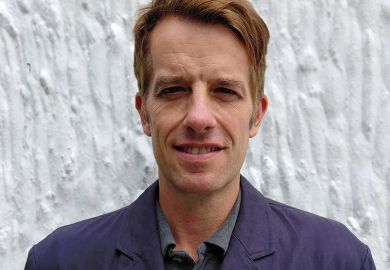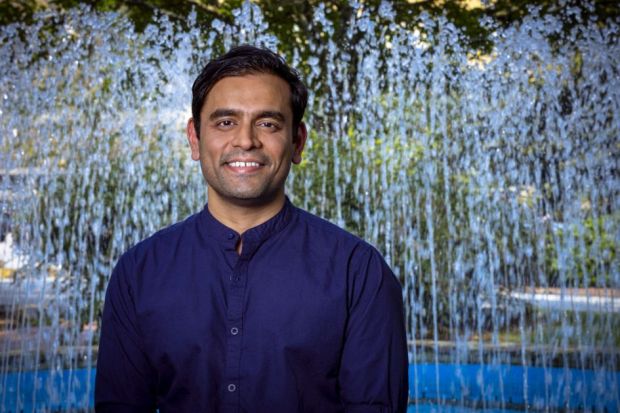
A US researcher who led a study into how lead contamination was affecting water in a US state has won the Maddox Prize for standing up for science.
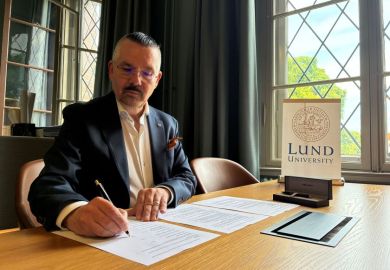
At an awards ceremony hosted by the Royal Society in London, Siddhartha Roy, an environmental scientist based at Rutgers University–New Brunswick in New Jersey, was presented with the accolade, which celebrates individuals who champion scientific integrity in the face of challenges or hostility.
Roy co-led a team of scientists who identified a high risk of lead contamination in the water in Flint, Michigan. The case became a national scandal, as the discovery contradicted state and federal assurances that the water was safe.
A class action settlement that followed totalled hundreds of millions of dollars and resulted in major changes to infrastructure and policy.
Roy and his team’s discovery led to subsequent research by campaign groups that claimed that “lead poisoning” had led to “brain-damaged children” in the area. But when Roy analysed the data, he found no notable difference from the rest of the state.
He reported that media characterisations of healthy children as brain damaged had led to lower expectations and poor mental health outcomes for them, a phenomenon he labelled a “nocebo” effect. As a result, Roy received threats from invested pressure groups.
The judges praised Roy’s research, as well as his efforts to “consistently put clear presentation of evidence and the dignity and well-being of the people of Flint” ahead of his own comfort.
Samer Abuzerr, a public health specialist at the University College of Science and Technology Khan Yunis, was given a special commendation by the judges.
Abuzerr, who conducts his research in Gaza despite the destruction of his university and a scarcity of resources, was praised for his work on the resurgence of polio among children, which contributed to the 2025 humanitarian ceasefire. The judges said they were moved by his commitment to building scientific evidence in spite of being in constant danger.
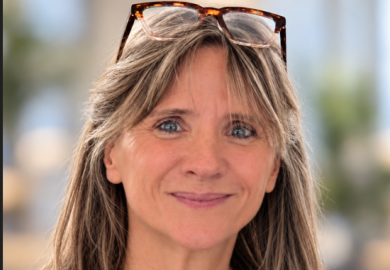
Other nominees for the award included Sallie Baxendale, a neuropsychologist at UCL specialising in epilepsy and adolescent brain development, and the only Briton shortlisted, who researched concerns about the impact of puberty blockers on young people’s brains.
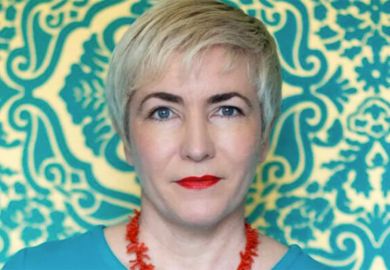
Others included Cyriac Abby Philips, a liver specialist in India whose work has highlighted the harms caused to patients by traditional medicines; and Arna Mitchell, a clinical psychologist who has challenged claims of systemic racism against people of Māori heritage in psychology.
Mónica Guzmán-Rojo from the Universidad Católica Boliviana collected the early career award for her work advocating on behalf of Indigenous and rural communities against powerful land interests.
Tracey Brown, chief executive of Sense about Science, which organises the Maddox Prize, said that scientists must be able to “defend the space in which it is possible to ask difficult questions and discuss the findings”.
“We live in more polarised times in many parts of the world, and the nominations for the Maddox Prize show that we must make a renewed case for the importance of space to enquire, even where we have strong views,” she said.
“We must protect that space from taking sides and from powerful interests, so that researchers continue to ask searching questions and feel confident in telling us what they find. This year’s Maddox prizewinner shows us very clearly why communities need that access to clear and honest research findings.”
Register to continue
Why register?
- Registration is free and only takes a moment
- Once registered, you can read 3 articles a month
- Sign up for our newsletter
Subscribe
Or subscribe for unlimited access to:
- Unlimited access to news, views, insights & reviews
- Digital editions
- Digital access to THE’s university and college rankings analysis
Already registered or a current subscriber?