An anti-war charity helping Russians flee the military says the number of former students seeking its help has surged over the past six months, from just a few cases to as many as 50 a month.
Grigory Sverdlin, founder of Get Lost, said students had previously made up only a small proportion of those approaching the organisation, but had become one of the largest groups among the deserters it helps. Get Lost, a translation of the Russian phrase Idite Lesom, was originally founded in Georgia in 2022. It has more than 120 volunteers around the world, including in Russia, who offer legal guidance and psychological help to Russians hoping to avoid conscription, as well as escape plans and online support for those looking to leave the army, Sverdlin explained.
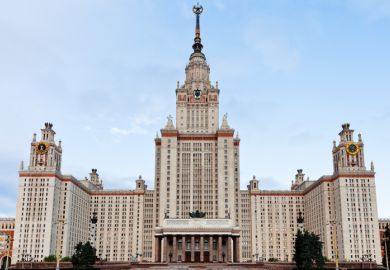
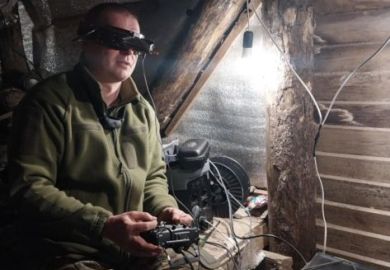
Russia has intensified its campaign to recruit students at universities, technical colleges and vocational schools into the military this year. Many students are being steered towards drone units, presented as a more technical and specialised form of service. In April, student publication Groza identified 269 universities and colleges that had promoted contracts for Russia’s drone forces. Reports suggest students have been offered one-year contracts, as well as financial and academic incentives if they sign up.
But Sverdlin said students should be wary of such promises, warning that those who sign military contracts can have little control over how long they ultimately serve. He said Get Lost had also received a growing number of requests from students who had not yet enlisted but were facing pressure from their institutions to do so, especially students struggling academically.
“We receive more and more requests for our help from students who are being forced to sign a contract. Many are not being allowed to retake exams, which is against the law. They are being told, ‘You failed the exam and that’s why the only way for you now is to sign a contract,’” Sverdlin said.
“Some young people don’t understand what to do and some of their parents are pro-Putin, [so] they can’t ask their parents for advice. So they come to us.”
Russia’s Defence Ministry has previously said recruitment is voluntary and that students will not be forced to enlist. Times Higher Education has approached the ministry for comment.
Arkady Moshes, director of the Russia, Eastern Europe and Eurasia research programme at the Finnish Institute of International Affairs, said the Kremlin would struggle to turn universities into a significant source of military recruits despite stepping up its efforts to target students.
He said students with technical expertise were an attractive pool of recruits for roles such as drone operations but young people and their families who had invested heavily in higher education had strong reasons to resist.
“To count on enthusiasm among these boys and girls is unrealistic. Most of them make an effort to get into these colleges, to study. Their parents make an effort. It’s a costly enterprise,” he said.
Students were also more connected than most Russians to online social networks through which they could learn about the realities facing those sent to fight, he added.
Sanshiro Hosaka, a research fellow at the International Centre for Defence and Security, said the recruitment drive had deepened many universities’ longstanding ties to Russia’s military and security services.
“It did not start today or yesterday. It is a continuation of the Soviet experience,” he said, adding that many Russian universities have military departments or training centres that prepare students for service and maintain links with the defence establishment.
“After the start of the full-scale invasion of Ukraine, all these military training centres at universities strengthened their efforts to nurture patriotism among students,” Hosaka said.
Universities have also invited soldiers who fought in Ukraine to address students and organised fundraising and other activities in support of the military, he added.
Register to continue
Why register?
- Registration is free and only takes a moment
- Once registered, you can read 3 articles a month
- Sign up for our newsletter
Subscribe
Or subscribe for unlimited access to:
- Unlimited access to news, views, insights & reviews
- Digital editions
- Digital access to THE’s university and college rankings analysis
Already registered or a current subscriber?