Vice-chancellor/principal
Higher education must double down on the liberal education values of interdisciplinarity, experiential learning and critical thinking, says Eric Skipper
The City president discusses his personal ties to the institution, the opportunities and threats universities pose to national security, and self-indulgence in higher education
If the English regulator agrees to tear up universities’ current access plans it risks undermining any perception of autonomy, says Geoffrey Alderman
With concerted efforts, the UK could attract far more than 600,000 international students to its shores, says James Pitman
The pandemic may just push US colleges and universities to do what they should have done a long time ago: reorganise, says Michael Hadjiargyrou
The Maastricht University president and rector is shifting the emphasis away from only research, despite pushback from Nobel laureate
Julie Lydon and Sarah Springman recognised alongside vice-chancellors, UUK chief executive and former UCU leader
UK higher education is in robust shape, but it must be willing to build multiple bridges in 2022, says David Bell
Networks such as Universitas 21 facilitate mutual support to meet net zero targets, say Tan Eng Chye and Anton Muscatelli
As the season of goodwill comes around again, warm words about collegiality and fellowship have been dutifully corralled into all-staff missives from university leaders. But in an era of management, metrics and industrial unrest, does the image of the academy as a commonwealth of scholars still bear scrutiny? Seven academics have their say
Funding for green campuses, levelling up and international links would be a gift from Santa Rishi Sunak to himself, too, says Nick Isles
They helped create the problems we face. Now business schools should be fundamentally reimagined as democratic institutions, says Carl Rhodes
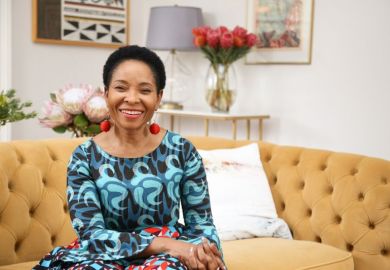
The University of Cape Town vice-chancellor ‘walks a tightrope between the picket line and the boardroom’ to ensure the entire campus community is listened to
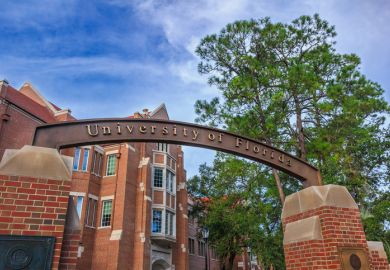
The Florida governor’s control over the make-up of public universities’ boards makes recent controversies unsurprising, says Mei Lan Frame
Deep cuts may be reversed, but the Brazilian president’s anti-science rhetoric will do lasting damage, says John Aubrey Douglass
Diversifying income stream also makes institutions less exposed to possible government cuts, say Ian Matthias and Mike Boxall
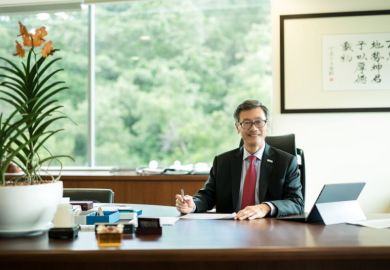
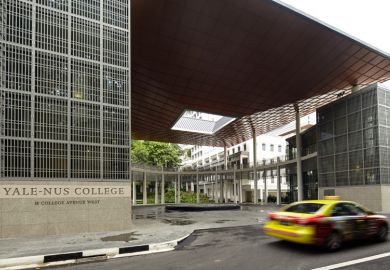
The National University of Singapore president says changing mindsets has been the most challenging aspect of overhauling approach to education
The University of Alberta president discusses using data, collaboration and a positive vision to turn around the institution while minimising internal disputes
The country’s conservative government is wary of academia’s social influence and values, but a ministerial letter offers hope, says Agnieszka Piotrowska
On 15 October 1971, the first edition of The Times Higher Education Supplement was published. In the five decades since, the publication now known as Times Higher Education has charted the expansion and marketisation of the UK sector while taking an ever more global perspective. Three editors reflect on their time at the helm
A group of undergraduates who got together to build a racing car taught Nic Smith how much horsepower there is in community
The LSE director on the institution’s green strategy, the importance of social scientists working with industry and the advantages of being ‘different’
Linda Doyle on making history, meeting Macron and why Normal People doesn’t fully capture her university
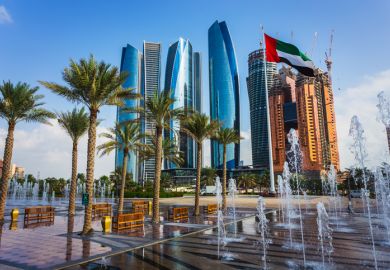
The embrace of those values by the UAE’s higher education institutions has been key to the nation’s success, says Zaki Nusseibeh
New Zealand’s embrace of Māori vocabulary goes hand-in-hand with the incorporation of Māori understandings into curricula. But is a debate about the unintended consequences of this move being stifled by fear of speaking out? John Ross reports
Quite apart from the injustice, institutions that fail to act on complaints undermine trust across entire disciplines, says Irina Dumitrescu
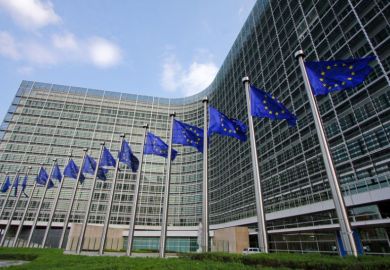
The European Commission must resist the temptation to overload nascent university alliances with its own strategic priorities, says Jan Palmowski
Amid a recognition of numerous threats, leaders remain convinced that their institutions will be OK
When the current generation of university leaders applied for their posts, none of the job descriptions mentioned Covid-19. So how have they found the past 18 months? And what about the future, economic, political and environmental? We asked 180 leaders from around the globe. Paul Jump reports
Graduation days are students’ days. Why can’t they be all-singing and all-dancing, asks James Derounian
The UK government’s £300 million funding pledge must be confirmed in the spending review, and departmental closures must stop, says Jon Keating
As another legal ruling cements the concept of student athletes as employees, institutions need to react, say Harry Johnson and Nicole Buffalano
As COP26 looms, universities’ vital place in the UK’s environmental armoury must be recognised in the spending review, says Judith Petts
Public knowledge of reasoning behind picks ‘could have avoided past mistakes’
The David Miller and Kathleen Stock cases underline the growing threat to human rights, say Alison Assiter and Miriam David
With contention about diversity adding to concerns about employability and declining student numbers, does Classics in the US need rebranding or rethinking? Paul Basken reports
In the absence of an express prohibition of class discrimination, a new code offers a beginning for dialogue, says Geraldine Van Bueren
The tactful approach can be effective but it risks obscuring the necessity and urgency of improvements, says Chris Moore
In a digital era, academics’ time would be far better spent on assessment, curation and mentoring, says Terry Young
The pandemic has exposed some anglophone universities’ financial over-reliance on overseas students. But if internationalisation takes a step back in the coming years, how much will be lost pedagogically? And will anything be gained? Anna McKie reports
A pan-European document could also boost institutional autonomy, budgets, policy visibility and common problem-solving ability, says Jan Palmowski
One university’s strenuous efforts to eradicate cheating by students and academics point the way for the whole sector, says Július Kravjar
A new consortium will embody the spread of liberal arts beyond the West, say Bryan Penprase and Thomas Schneider
Vaccines notwithstandiing, mitigations are needed to avoid a repeat of last year’s campus Covid wave, say Simon Williams and Gavin Yamey
Universities typically generate much more income from industry contracts than from spinning out companies, says Calum Drummond
All students, regardless of subject, need meaningful opportunities to engage with the democratic process, say Meg Little Reilly and Richard Watts
If it all goes wrong, universities will not be able to avert truly disastrous consequences, says Rama Thirunamachandran
Amid languishing quality, introducing what could be a more expensive curriculum to deliver may not boost employability, says Pushkar
Australia and New Zealand’s isolation continues, but global collaboration is ever more crucial, says Dawn Freshwater
Headlines about whether the liberal arts can work in Asia only probe part of the story, says Scott Anthony
The EU’s massive cash injection with double Italy’s languishing higher education budget, says Ferruccio Resta
Following the military coup, Burmese faculty and students fear annihilation of a budding modern higher education system, says Kyaw Moe Tun
A deeply flawed government consultation on ITT risks precipitating teacher shortages and undermining university research, says Ems Lord
As an international review of the UK’s REF begins even before the assessment panels have done their work, has the exercise’s reliance on rereading published papers finally had its day? Might it be time for metrics? Or something else entirely? Jack Grove looks around the world for options
Twenty years of progress hangs in the balance, says Rahmatullah Katawazai
An Office for Institutional Equity, sitting outside human resources, will help establish a fairer, inclusive environment, says Charles Egbu
The near impossibility of obtaining spousal visas will deprive the post-Brexit UK of expatriate academics’ expertise, says Edward Vickers
An initiative by the University Alliance to offer training and support to BAME scholars is an important step in the right direction, says Vini Lander
Vaccine passports are a way to reopen campuses while minimising Covid risks. So why is Australia not adopting them, asks Binoy Kampmark
The narrative that the humanities are haemorrhaging students, funding and political favour is deeply felt around the world. But the evidence of the disciplines’ decline is considerably more nuanced, finds Simon Baker