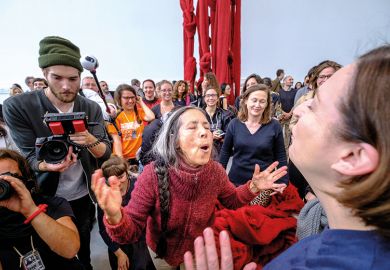
A lyrical memoir of a writer and psychoanalyst’s romantic and intellectual relationship with Lacan shows that psychoanalysis is very much the art of the enigmatic vignette, says Benjamin Poore
One scholar believes the 15th-century Christian mystic Margery Kempe could provide ‘inspiration for a radical reimagining’ of what it means to be an academic, one ‘unafraid to shed a few tears’
Joanna Lewis considers a work that follows the lineage of a British foreign policy that focused on promoting economic and cultural ties with other English-speaking nations
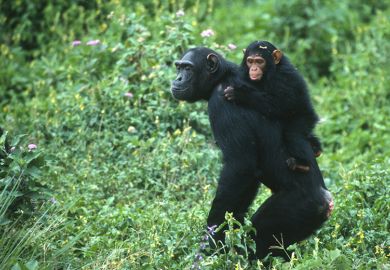
Excluding local people from conservation is not the way to preserve vital vegetation, as it is they whose practices produce the ecologies we value, finds Steven Yearley
Do we invent most of what we think in the moment? Tristan Bekinschtein struggles to wrap his head around a thesis arguing that we have no desires, motives or fears
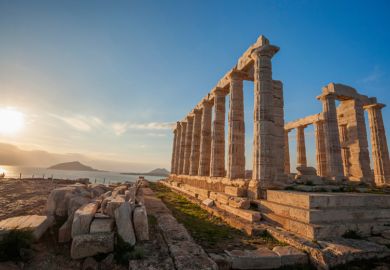
Neville Morley’s negative approach to promoting his subject fails to take account of the public’s growing appetite for learning about the ancient world
Catherine Rottenberg asks whether we can include an anarchist activist and writer in a queer, feminist archival history given her refusal to identify as a feminist?
The author of Comparative Literature: A Very Short Introduction on Graham Greene, the classics as gateway to different literatures and a reading tip for English readers in the age of Brexit
Writers’ relationships with their mothers; doctors are people too; Hilter’s passion for celluloid; a journey through mental illness; and the birth of the world’s first independent air force