
Reputation building in the AI era: why universities must focus on meaningful global engagement
As universities navigate intensifying global competition, reputation building has become about far more than rankings alone. The Reputation Lab – organised in partnership with City University of Hong Kong – during the 2026 THE Global Sustainable Development Congress, will offer a productive, open platform for creating new connections and shared learning
Sponsored by City University of Hong Kong

Sponsored by
Sponsored by
Institutions are increasingly seeking ways to strengthen international visibility, foster strategic partnerships and demonstrate authentic impact in a rapidly evolving higher education landscape.
The Reputation Lab – to be held in partnership with City University of Hong Kong (CityUHK) – will take place on 22 June at the 2026 THE Global Sustainable Development Congress in Jakarta, bringing together university leaders to explore how institutions can build stronger, more authentic global reputations through collaboration, sustainability and strategic engagement. This exclusive four-hour workshop will feature interactive discussions designed to spark new ideas, partnerships and practical outcomes for participating universities.
The session will bring together senior leaders from Abu Dhabi University in the United Arab Emirates, Universitas Airlangga in Indonesia and the University of Cambridge and the University of Exeter in the UK.
According to Shirley Chong, chief communications and global affairs officer at CityUHK and a committee member and trainer in THE’s World 100 Reputation Network, these institutions were selected for their long-standing partnerships with CityUHK and strong track record in institutional branding. “By bringing together universities from varied regions and with distinct strategies, the discussion can broaden the range of learning – especially on practical ways to strengthen institutional visibility, credibility and global engagement.”
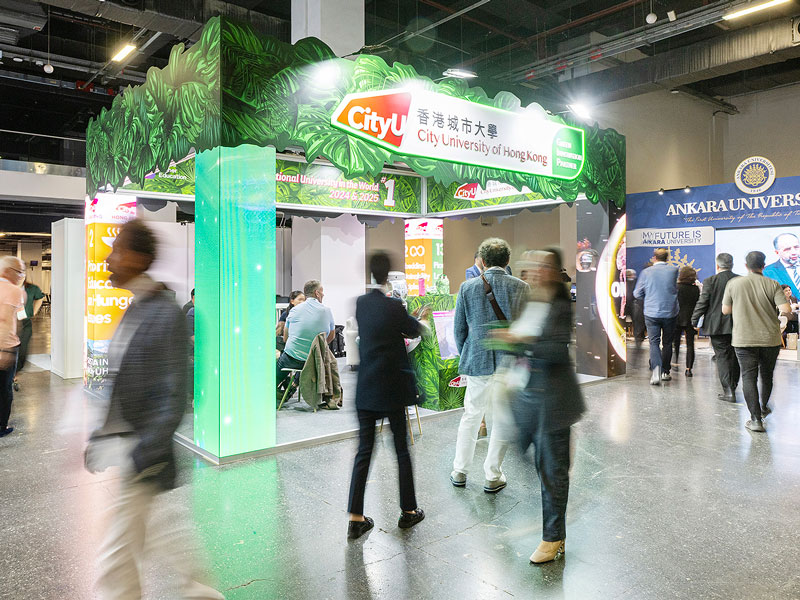
Universities around the world face many of the same challenges when it comes to reputation building, says Chong. Digital technologies and virtual collaboration platforms have transformed how institutions connect internationally, particularly since the Covid-19 pandemic.
However, institutions must remain sensitive to cultural contexts and varied levels of resource availability across regions. “Limitations in outreach capacity, infrastructure and research funding can affect visibility,” Chong explains. “It is important not to underestimate the potential of universities working within such constraints.”
She points to CityUHK as an example of how sustained international engagement can strengthen institutional reputation over time. During the pandemic, the former president of CityUHK, Way Kuo, travelled extensively to connect with universities worldwide and interviewed university leaders through the Beyond Boundaries series.
Over the past three years, CityUHK has focused on building research networks with more than 400 universities globally, prioritising collaboration over rankings performance alone. “This approach has helped strengthen collaborative capacity and broaden the partnerships needed for long-term reputation growth,” Chong says.
The Reputation Lab aims to address a growing concern in the age of AI: that universities may prioritise outputs over authentic human connection. “As we increasingly rely on AI tools to generate ideas, there is a risk that the essential processes of reflection, connection and relationship-building are bypassed,” Chong says. “Reputation cannot be built on outputs alone – it requires substance, time and actions that demonstrate what a university genuinely stands for.”
Rather than a conventional panel discussion, the format of the Reputation Lab will encourage engagement and meaningful exchange between participants. “It will create an opportunity for real human interaction through direct conversation, shared insight and idea exchange,” Chong explains. She believes this is especially important at a time when universities face mounting pressure to remain globally relevant while also strengthening their institutional identity. “The Reputation Lab helps universities avoid isolation, build networks and support reputation-building practices that involve all levels of an institution, from leadership to faculty and beyond.”
Beyond the conversations, Chong hopes delegates will leave the session with practical opportunities for future collaboration. “I want participants to build new partnerships and generate momentum around student and faculty mobility, research collaboration and shared initiatives that leverage each institution’s strengths,” she says. “I hope participants will consider how sustainability can be used to shape distinctive niche branding and institutional identity.”
Register for the Reputation Lab now.
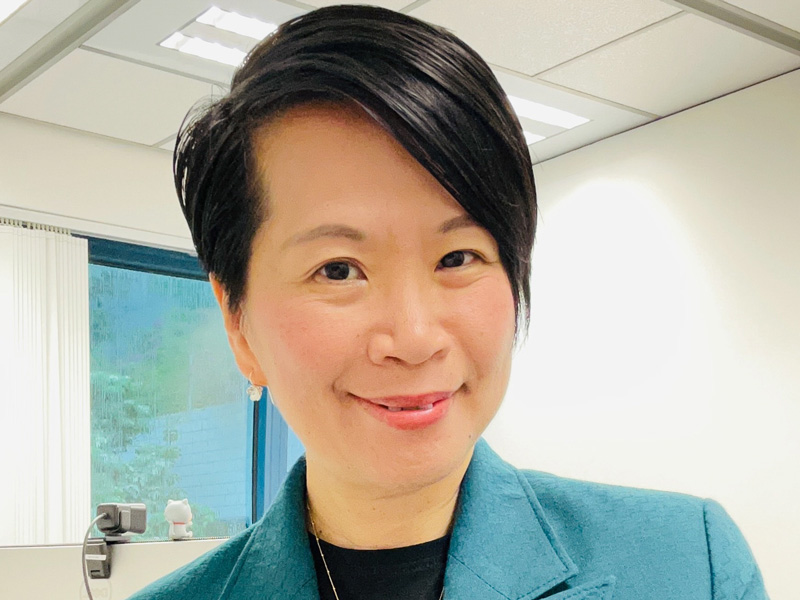
Professor Shirley Chong is chief communications and global affairs officer at CityUHK, where she leads the university’s communications, rankings and reputation strategies in alignment with its strategic goals. A specialist in higher education marketing, internationalisation and branding, she is a visiting fellow at the University of Cambridge’s Lucy Cavendish College since 2024, an adjunct professor in the Department of Media and Communication at the College of Liberal Arts and Social Sciences at CityUHK, and a management committee member and trainer within THE’s W100 Reputation Network.