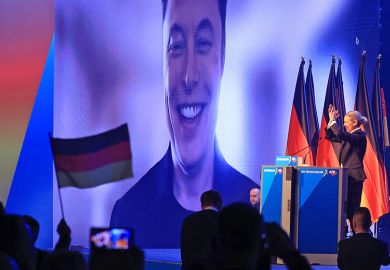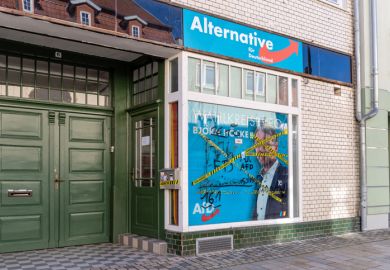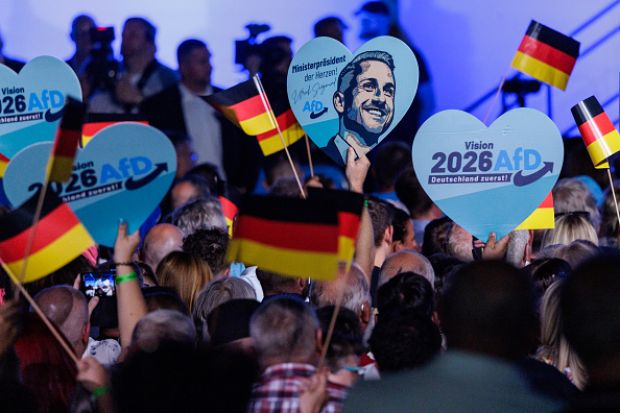
Germany’s top research organisations are preparing for the possibility of Alternative for Germany (AfD) taking power in a German state for the first time, drawing up plans that include relocating scientists facing political pressure and strengthening legal protections for researchers, as the far-right party pushes proposals to abolish entire fields of study.
The AfD is leading in opinion polls in the eastern German states of Saxony-Anhalt and Mecklenburg-Vorpommern ahead of state elections in September. Its manifesto argues that German science is in “deep crisis”, pledges to abolish gender and postcolonial studies, establish a professorship in population science and claims research that challenges prevailing views on climate change, migration and Covid-19 is being unfairly excluded from public funding.
The proposals have fuelled concerns across German academia, with research leaders warning that a change in government could, over time, harm Germany’s reputation as a destination for international researchers.
Among the institutions singled out in the AfD’s manifesto is the German Research Foundation (DFG), which it accuses of imposing “political requirements on every project grant”.
“[The AfD’s] claim is misleading and unfounded. The claim confuses standards of scientific quality and integrity and responsible public funding with political loyalty tests,” Katja Becker, the president of the DFG, told Times Higher Education, pointing to the organisation’s independent peer-review process for deciding funding awards.
“The DFG of course does not prescribe what conclusions research must reach. There is a clear distinction that must be made between political positions and academic integrity standards.”
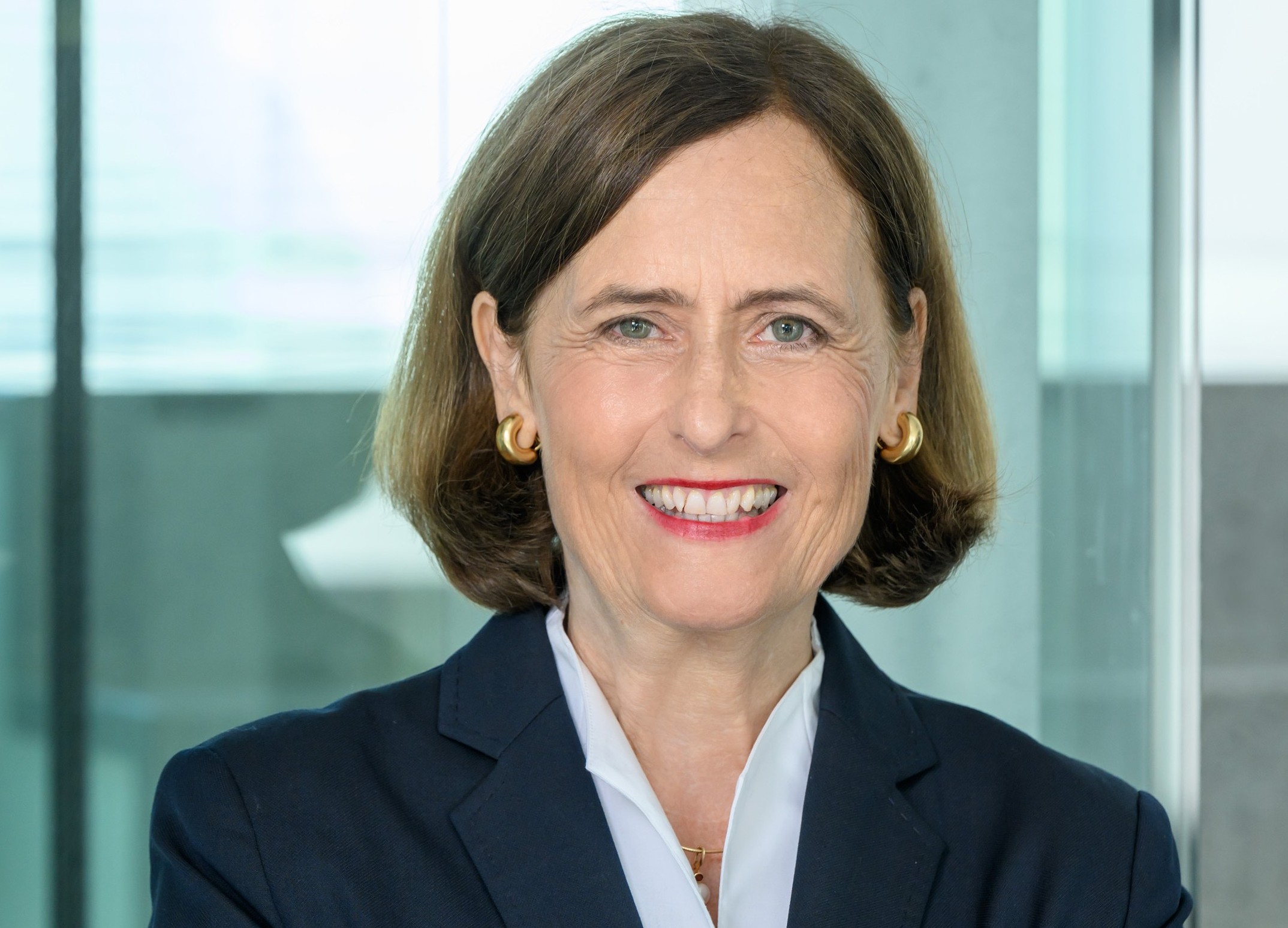
Based in Bonn, the DFG funds research in science, engineering and humanities. A total of 42 per cent of its funding comes from Germany’s 16 states and the remainder from the federal government.
Recent reforms have significantly reduced the ability of any single state government to disrupt national research funding. Under changes agreed by the Joint Science Conference (GWK) earlier this month, most funding decisions now require the support of the federal government and at least 13 states, replacing a system that gave individual states greater scope to block agreements. “They would need very broad consensus to achieve a complete blockage of DFG funding, which is almost impossible…I think our politicians really reacted to the present development,” Becker said.
But while the DFG is a self-governing institution, it could still face instability if the AfD were to enter government. Scientists hold a majority on its governing committees, and while the two eastern states together would only account for two of 73 votes, Becker warned that the presence of politicians with “anti-democratic or anti-scientific convictions” could still cause disruption. “The discussions could be seriously disturbed, and scientific decisions could be hindered,” she said.
The foundation assembled a working group to look at how the DFG could become more resilient to political changes. It came up with a series of recommendations aimed at protecting academic freedom, including stronger legal support for researchers, more coordination between academic institutions and, in extreme cases, the possibility of helping scientists relocate within Germany if they are no longer able to continue their work at their university.
“If scientists themselves feel they cannot carry out their research any more at an institution in a certain state, which I hope never, ever will happen, then they might be happy if there is another university with a similar faculty and similar equipment where they can continue their work,” Becker said.
Universities are ultimately more vulnerable than research institutes because they depend heavily on state governments for core funding. “They could reduce or redirect the core funding of the university,” Becker said. “They could close or decline to replace particular professorships and departments, reduce support for laboratories or libraries, or make particular areas of research politically very difficult.”
Such pressures would inevitably affect universities’ ability to compete successfully for DFG and European research grants, she added.
Researchers have already reported increasing pressure, while some academics have discussed whether chairs explicitly labelled as gender studies should be given less conspicuous names. Students have also expressed concern that working on politically sensitive topics could expose them to future problems.
“We’re starting to see a silencing effect in scientific communities, particularly in some disciplines,” Becker said, adding that there have been public calls to remove professors from their positions. “There is a support programme established, called Scicomm-Support, and research organisations are teaming up to stand behind scientists.”
For the Max Planck Society, Germany’s largest non-university basic research organisation, which has 85 institutes across the country including in Saxony-Anhalt and Mecklenburg Western, maintaining the country’s international reputation is paramount as it recruits heavily worldwide.
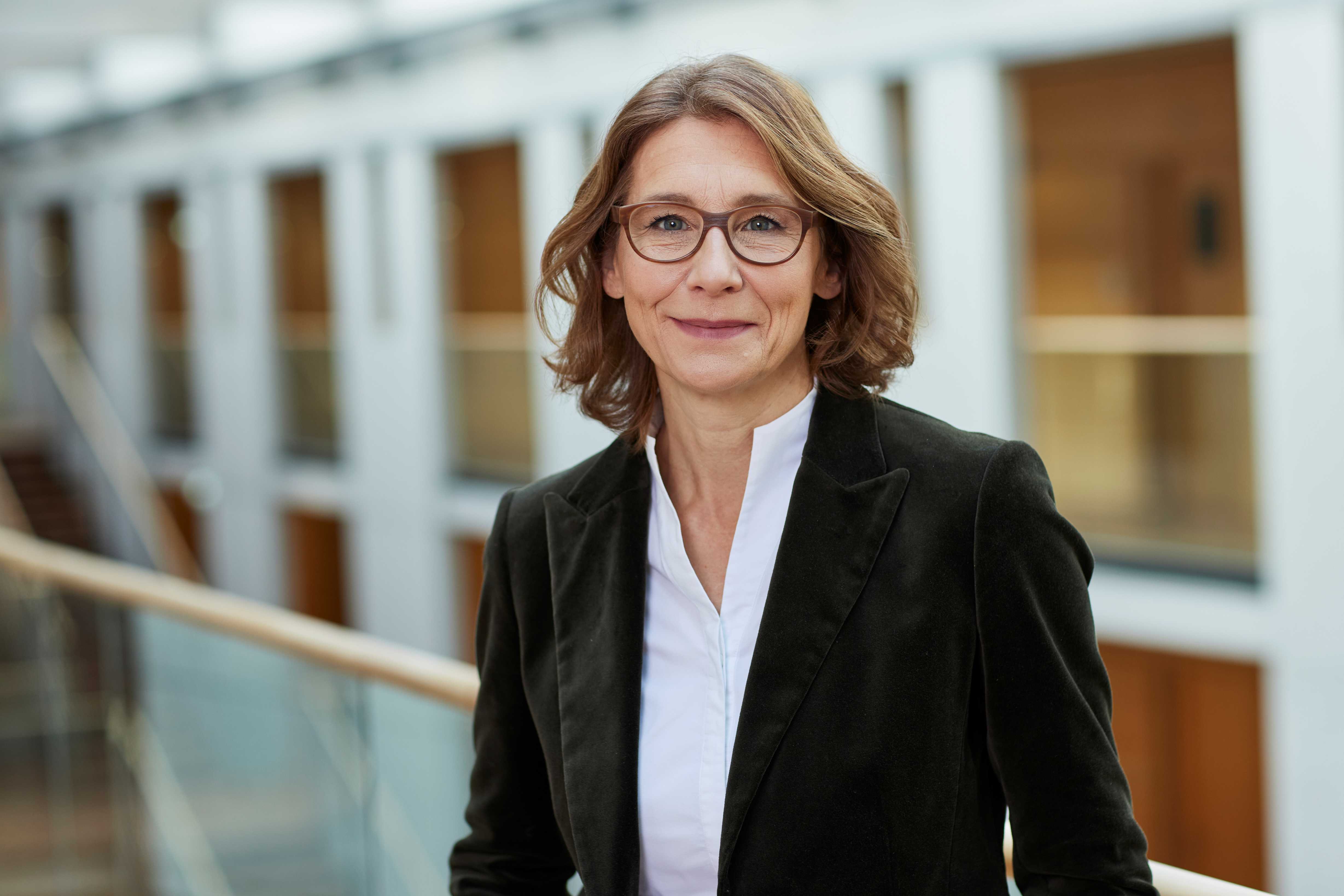
“For us, every political stakeholder who questions our welcoming culture, our internationality and our autonomy in research would be a danger for the Max Planck Society, but also to science in Germany as a whole,” said secretary general Simone Schwanitz. “We will stand our ground should there be any risk of interference with our autonomy and academic freedom.”
Like the DFG, the Max Planck Society relies overwhelmingly on public funding. Around 86 per cent of its budget comes from the federal government and the states.
“Until the 10th of July, there was a risk that had even a single federal state vetoed the Max Planck Society’s budget, we would have had no budget at all,” Schwanitz said. “But the democratic political parties reacted very decisively and quickly.”
Nearly half of the researchers at Max Planck institutes in Saxony-Anhalt and Mecklenburg-Vorpommern are from abroad. Across the organisation, scientists represent 136 nationalities, about 40 per cent of institute directors are recruited internationally and roughly 80 per cent of postdoctoral researchers come from overseas.
“It’s always easier to recruit people to huge cities like Berlin and Munich. I fear that it would be bad for our reputation, but also for this country’s capacity for innovation, if we were less open to the world in the future. But right now, I am convinced Germany is a good place to work,” Schwanitz said.
She acknowledged that internationally renowned researchers already weigh the political climate when deciding whether to relocate. “They ask themselves, ‘Should I really move to this town or not?’”
Researchers already working in eastern Germany have also sought reassurance from headquarters. Within Saxony-Anhalt, they have been engaging with the public, taking part in discussions on why academic freedom is important.
Schwanitz said Germany’s research organisations have learnt important lessons from developments elsewhere, particularly in the United States, where the Trump administration has pushed steep cuts to federal science agencies.
“I was wondering why [research institutions and universities] in the US did not act as collectively as I thought would be wise. It seemed universities were individually raising their voices on their own, and this is something we’re trying to avoid,” she said. “When one of our research organisations is under attack, then the whole research system is under attack.”
Despite the concerns, both Becker and Schwanitz insisted Germany remains one of the world’s strongest environments for research. Academic freedom is explicitly protected under Germany’s Basic Law, and both point to strong public trust in science and political support for research funding.
But neither believes those protections can be taken for granted.
“I am very confident, because I have seen how the political leaders reacted. They stood together, despite different party affiliations and the disparities between wealthier and less wealthy states, and acted very quickly,” Schwanitz said.
“But we are not naive. We are not simply waiting to see what happens. We have already made preparations.”
Register to continue
Why register?
- Registration is free and only takes a moment
- Once registered, you can read 3 articles a month
- Sign up for our newsletter
Subscribe
Or subscribe for unlimited access to:
- Unlimited access to news, views, insights & reviews
- Digital editions
- Digital access to THE’s university and college rankings analysis
Already registered or a current subscriber?