Australian universities have backed the Albanese government’s decision to establish a Royal Commission into antisemitism, but the shadow minister for education has warned that universities must confront what students are being taught about Jews on campus if the inquiry is to have any credibility.
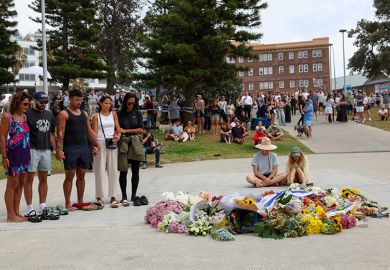
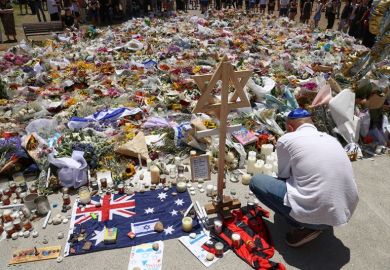
The Royal Commission, to be led by former High Court justice Virginia Bell, was announced on 8 January in the wake of the Bondi terror attack of 14 December 2025, in which 15 people were killed during a Hanukkah celebration.
The deadly attack has intensified scrutiny of how Australian institutions, including universities, are responding to antisemitism.
In a statement, Universities Australia said the events were “senseless and unthinkable” and highlighted the need for “deep reflection, understanding and decisive action”.
It said the sector would “engage fully and constructively” with the Royal Commission and reaffirmed its commitment to working with the government and the Jewish community to combat antisemitism and all forms of hatred.
“Antisemitism, whether expressed through language, symbols, conduct or intimidation, is incompatible with the purposes of universities,” the statement said, adding that it was “not protected by academic freedom, free speech, or context” and “must be addressed decisively”.
It added that the Royal Commission will provide “a vital opportunity to examine the conditions that allowed hatred and violence to escalate, to learn from those insights, and to ensure that all Australians can live free from fear and discrimination”.
The intervention comes amid mounting political pressure for the Royal Commission to specifically examine antisemitism on university campuses.
Shadow minister for education Julian Leeser said the inquiry would lack credibility if it failed to scrutinise universities.
Citing the findings of a report by Jillian Segal, he said the most “chilling” conclusion was that antisemitism had become “ingrained and normalised within academia and the cultural space”, warning of a “dangerous trajectory” for young people exposed to disinformation and misinformation about Jews.
“As I have met with university vice-chancellors since my appointment as shadow minister for education, it is clear that universities have not come to grips with these issues,” he said.
“It is not enough that encampments are shut down; universities must confront what students are being taught about Jews in the classroom – irrespective of whether there are Jewish staff and students on their campus. And they must take action to prevent and deal with the ongoing harassment faced by Jewish staff and students, which remains poorly dealt with across the sector.
“These issues must be properly examined, and the stories of Jewish experiences on campus must be told, if the Royal Commission is to have any credibility.”
Universities have already been warned that their responses to antisemitism will be subject to closer scrutiny.
The government has committed to introducing a “university report card” on antisemitism from 2026, assessing institutions on their adoption of an appropriate definition of antisemitism, staff training, complaints processes and governance responses to discriminatory activity.
Universities Australia said institutions were “foundational to shaping the values of future generations” and insisted the sector was “determined to be part of the solution – through education, research and our unwavering commitment to providing safe and respectful campus environments”.
Register to continue
Why register?
- Registration is free and only takes a moment
- Once registered, you can read 3 articles a month
- Sign up for our newsletter
Subscribe
Or subscribe for unlimited access to:
- Unlimited access to news, views, insights & reviews
- Digital editions
- Digital access to THE’s university and college rankings analysis
Already registered or a current subscriber?