The imposition of a minimum entry standard for university would put the government in control of what is traditionally a key area of academic judgement and allow it to restrict student places, vice-chancellors warned this week.
Government funding for higher education is to be cut by 40 per cent over four years, suggesting that public funding for teaching in the arts, humanities and social sciences may come to an end.
The government has been warned of the potential for disastrous consequences if it does not pause for thought before embracing Lord Browne’s proposals for reform of higher education while implementing significant cuts in today’s Comprehensive Spending Review.
The president of Universities UK has told vice-chancellors to expect cuts of £4.2 billion in the government’s spending review – and warned that a huge funding gap is a “terrible danger”.
Students from poor backgrounds will receive help to attend university as part of a wider £7 billion “fairness premium” announced today by Nick Clegg, the deputy prime minister.
Lord Browne's review calls for "genuine competition for students between institutions of a kind which cannot take place under the current system". Here's how it would work:
Lord Browne's review of student fees and finance - if implemented in full - will have a huge impact on the structure of the sector. Here we examine the likely outcome for different types of institution of higher fees coupled with a massive loss of teaching funding following forthcoming cuts
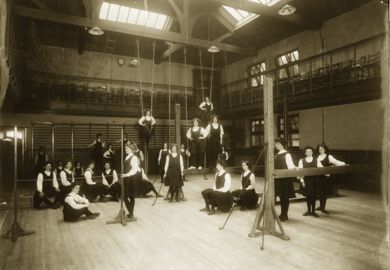
A pound's worth of small change, held in a tin in the bursar's office, was transformed into a lump of metal when an incendiary bomb hit Bedford College on the night of 10-11 May 1941.
Reactions to Lord Browne’s review of higher education funding and student finance are flooding in. Here we round up what different groups have been saying
The Liberal Democrat policy of opposing tuition fees is “simply no longer feasible” in the current economic climate, Vince Cable said today in a statement to the House of Commons.
The tuition fee cap should be scrapped, “blanket subsidies” for courses ended and universities freed to compete for students in one of the most radical overhauls of the sector ever.
Alan Ryan proposes that there should be no cap on tuition fees, grants for the talented poor should return and universities should lose their safety net
Recent studies reveal tuition costs do not deter students from lower socio-economic groups. Their decision not to go into higher education, argues Peter Urwin, is made much earlier in their schooling