Cover feature

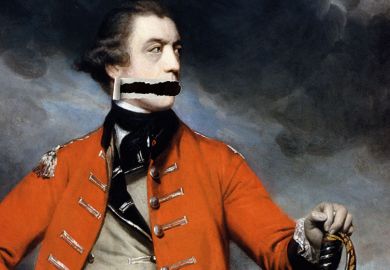
Academics’ deep identification with their work means that the failure of a book proposal, grant application or promotion request can cut deeply. But in a competitive profession, such knock-backs are inevitable. Here, six academics recall their most traumatic rejection – and how they got over it

Ever since it emerged from English departments in the 1970s, media studies has been routinely dismissed as the archetypal ‘Mickey Mouse’ degree. But in an era of fake news and media hegemony, has this multifaceted subject finally found its place in the zeitgeist?

10 October

Recent controversy over the future directions of both Stanford and Melbourne university presses have raised questions about the role of in-house publishing arms in a world of commercialisation, impact agendas, alternative facts – and ever-diminishing monograph sales. Anna McKie reports

3 October

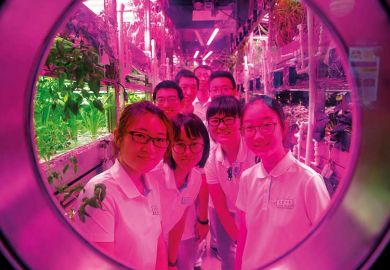
Academia has gone green in a big way in recent years, but some doubt whether it will make much difference to the planet. Nick Mayo speaks to scholars and students to assess the sector’s environmental record

12 September

Universities often claim to be competing in a global market, but their recruitment of leaders typically results in domestic appointments. With some of the world’s top institutions led by people from abroad, John Ross asks whether more should be following suit 

5 September

Mounting workloads and mushrooming publication output are making the task of staying abreast of the latest developments in the literature ever more difficult for academics. Here, eight researchers reflect on their own approaches and offer their tips

22 August

Business and management schools are highly successful in financial terms, and provide valuable income to their wider universities. But opinion remains sharply divided on how successful they have been intellectually. Here, five business academics give their views on whether their discipline has done enough to earn the respect of the academy and wider society

Most universities still rely on exams and assessed essays to grade their students. But as the fourth industrial revolution, employability and student satisfaction all rise up the agenda, many experts are suggesting that assessment needs to much more closely resemble real-world tasks. Anna McKie marks the arguments   

23 May

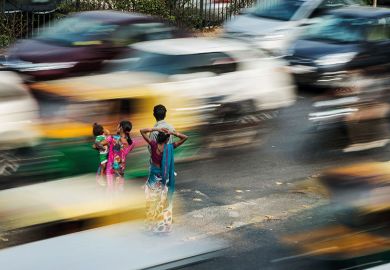
The quality of Indian higher education outside a few elite institutions is notoriously poor, and a slew of initiatives aimed at addressing it have made little impact so far. Simon Baker analyses the data to assess the scale of the challenge and asks what more could and should be done


25 April

The relationship between PhD students and their supervisors is often said to be the most intense in the academy, with huge implications for student success. Yet most supervisors receive little if any training. Here, six academics give their take on how to approach it 

Claims that academics are indoctrinating their students with liberal propaganda are increasingly common in the right-wing media. John Morgan examines why such a conviction has arisen and whether there is any substance to it

21 February

Peer review is lauded in principle as the guarantor of quality in academic publishing and grant distribution. But its practice is often loathed by those on the receiving end. Here, seven academics offer their tips on good refereeing, and reflect on how it may change in the years to come

6 December

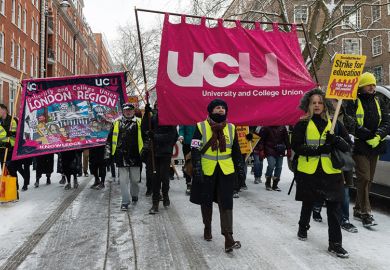
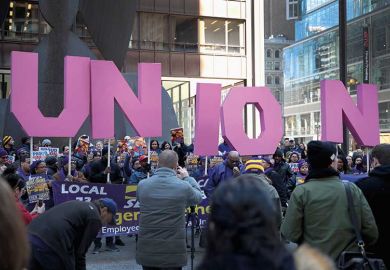
From the largest strike in the history of UK higher education, to the US ‘academic precariat’ looking to unionise to improve their conditions, Jack Grove assesses the changing influence of workers’ organisations

11 October

Sociology, once a discipline seen as the embodiment of social progress, is now subject to frequent scepticism over its methodology, politics and career relevance. Here, five sociologists offer their assessment of the challenges facing the subject and what the future holds


4 October

To spare doctoral candidates protracted and unproductive efforts, Tim Marler and Dean Young suggest a pragmatic route to successful completion, while, below, Julian Kirchherr advocates a quick-and-dirty path to a viable thesis

27 September

With about one-third of Earth’s 7 billion inhabitants on a social network, it is an inevitable part of scholars’ lives. While many academics find Twitter and Facebook useful means of disseminating their research, Sara Custer finds that the addictive seeking of ‘likes’ has its perils
12 July

Three-quarters of students in the UK now receive ‘good’ degrees, compared with just half 20 years ago. Is grade inflation an inevitable result of the marketisation of higher education and is the picture the same worldwide? Simon Baker examines the evidence

28 June

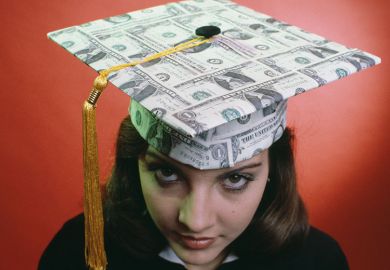
Universities on both sides of the Atlantic are building up big debts, but is it prudent to bet on student numbers growing and super-low interest rates and high fees enduring? David Matthews examines the glut of recent bond issues, and how money makes money for the elite