Teach students to think like researchers
Expanding undergraduate research benefits not only the institution, but the students too. Here’s how to embed a research mindset in your undergraduate cohort
March 3, 2026

Expanding undergraduate research benefits not only the institution, but the students too. Here’s how to embed a research mindset in your undergraduate cohort

Translating research to real-world impact can be daunting for early career researchers. Here, Tiam Lin Sze offers a road map and why early protection of intellectual property is vital, especially before publication
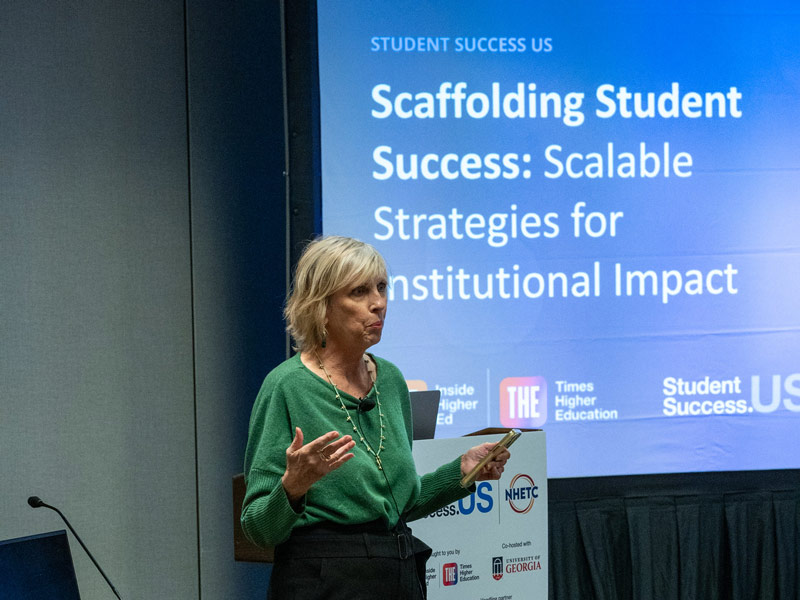
Discover how scaffolding and ePortfolio-based reflections help students to personalise and showcase their learning

Educators must be bold and adaptive while engaging with AI to show students how to cope with disruptive technologies

GenAI can boost learning on average, according to research – but individual outcomes vary widely. Here’s how to help every student benefit

Practical steps can support racial-minority students, call out bias and make campuses safer at a time when racism in Australian universities is more real than ever, writes Aaron Teo

Low-cost, practical fixes can build a ‘care aware’ research culture and reduce the mental health strain of combining care and scholarship

How universities can take a proactive, compassionate approach to psychological safety that supports all students

Industry collaborations demand thoughtful planning and engagement that extend beyond the bench in order to achieve the real-world impact that universities and researchers hope their discoveries will generate. Here are key considerations
Embedding hands-on experiences into the curriculum can bridge the gap between classroom learning and real-world skills

What happens when a university educator is grieving a loved one? Here’s how collective loss can shape an institution

Academics can use AI-enabled music platforms to transform complex research into their own singles or albums reaching thousands of listeners. Andrew Hudson-Smith explains how

Ethics is a fundamental skill in accounting, but it is difficult to teach in a way that gives students confidence to use and test frameworks. Here, Catriona Hyde explains how simple flash cards can create curiosity and connection in the classroom

How campus developments benefit students and academia while creating sustainable impact

What do your students want from their university educators? Nail these ingredients and effective teaching will follow