Tuition fees in Wales will rise above £10,000 a year next autumn, in line with similar increases in England, but there are fears that a flat-cash budget settlement will worsen the financial struggles facing many institutions.
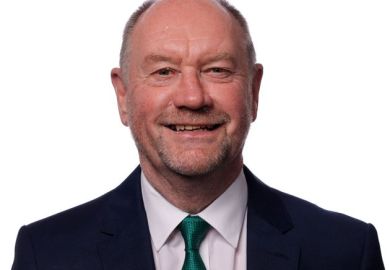
Confirming that the maximum tuition fee in Wales will rise to £10,050 a year in 2027-28, higher education minister Cefin Campbell said it was “necessary” for the cost of studying at Welsh universities to match rises in England.
Those changes were confirmed in October 2025 by former education secretary Bridget Phillipson, who promised legislation to ensure inflation-linked fee rises become automatic after 2030.
In a statement on 19 November, Campbell said he was “conscious of the significant financial challenges facing the higher education sector in Wales and am committed to supporting our institutions to manage this”.
“Universities are vital to our economic, civic and cultural story and have an essential role in delivering our ambitions for education, research and skills development,” he said, noting the increase will provide an estimated additional £18 million in tuition fee revenue.
Tuition fee loans available to Welsh students will increase accordingly, he continued, adding this “is not a decision any Minister wants to make, but I must balance the impact on students with the need to sustain quality higher education in Wales at a time of deep-seated financial pressures”.
He insisted, however, the Welsh government offered “one of the most generous student maintenance support systems in the UK”, which includes “non-repayable maintenance grants for eligible undergraduates, with a base grant available regardless of household income and additional grant support for those from lower-income households”.
Earlier this month Campbell announced he will freeze the threshold at which graduates on Plan 2 loans begin repaying arrears at £29,385 until at least 2029-30. The move was “unavoidable”, he said, despite earlier promising not to follow former UK chancellor Rachel Reeves who has faced fierce criticism for her own threshold freeze introduced in the 2025 budget.
The announcement on fee rises follows the Welsh government’s flat-cash settlement for universities, colleges and research over the next two years, which unions fear may lead to further job losses as institutions’ dire finances worsen.
In its draft budget for 2027-28, Wales’ tertiary education funding body Medr is allocated £851 million, matching the current level, with an indicative figure of £847 million listed for 2028-29.
That cash freeze amounted to a real-terms budget cut with current inflation of 3.6 per cent predicted to hit 5 per cent by 2027, claimed UCU Cymru which had sought an extra £45 million for universities in the coming financial year.
In a statement Universities Wales said its members were already facing “the most challenging financial circumstances in living memory”, with a collective deficit of over £130 million for 2024-25.
“Those pressures are now having real consequences. Universities across Wales are having to make difficult decisions to control costs, with implications not only for institutions and their staff, but for the communities and local economies that surround them,” said Universities Wales.
“This Budget provides a critical opportunity to address the immediate pressures facing the sector. Investment in universities is not simply about supporting institutions. It is about protecting Wales’s capacity to develop the skills it needs, widen opportunity, support research and innovation, and drive economic growth,” it added.
The draft Budget was the first announced by the Plaid Cymru government since it formed a minority government after May’s elections. It will need help from other parties to pass it when it goes to a vote in February.
According to finance minister Elin Jones, the government faces a 0.5 per cent real-terms reduction in resource spending next year and a 10 per cent real-terms cut in its capital budget by 2029-30.
In a statement Jones said funding from the UK government “has not kept pace with inflation” and called the budget “a break with the past. A reset in how Wales spends public money.”
Speaking to Nation.Cymru, Gareth Lloyd, UCU’s national official for Wales said a freeze over two years would be a real-terms cut through to 2029 and that Medr would be forced to revisit its learning and teaching budget, and may be forced to cut back on research funding.
He said the union expected multiple funding streams to be affected, and warned of further job losses and industrial action unless extra money is provided.
Register to continue
Why register?
- Registration is free and only takes a moment
- Once registered, you can read 3 articles a month
- Sign up for our newsletter
Subscribe
Or subscribe for unlimited access to:
- Unlimited access to news, views, insights & reviews
- Digital editions
- Digital access to THE’s university and college rankings analysis
Already registered or a current subscriber?