The Metropolitan Police have said they will “reflect on how similar cases are approached in future” after criticism of their investigation into a Times Higher Education journalist who was researching claims made against a star professor.
The force carried out a four-month inquiry into harassment allegations made against Jack Grove before deciding to drop the case in February this year.
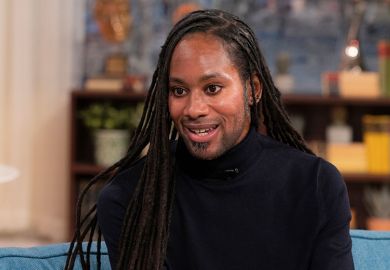
Grove had at the time been looking into claims that University of Cambridge sociology professor Jason Arday had plagiarised part of his PhD thesis.
Arday resigned from his position on 5 August despite being cleared of the allegations by Liverpool John Moores University, where he studied for his doctorate.
Cambridge has opened a fresh investigation into his academic qualifications and honorary appointments.
Writing for THE, Grove said that he was “shocked” to receive a call from the police – the first time he had been made aware any claims had been made against him.
He was told the matter had been closed but the officer warned him not to try to contact Arday again, because it was affecting Arday’s mental health.
The force’s actions have attracted heavy criticism from commentators and politicians.
Broadcaster Andrew Neil said the “police need to be held to account for this abuse of police power to thwart a journalist from doing his job”.
Conservative MP Neil O’Brien called it “outrageous”, saying that “senior people should be sacked” as a result.
Toby Young, the founder of the Free Speech Union, has written to the commissioner of the Met Police, Mark Rowley, urging him to explain what happened, calling it “press censorship”.
In a statement the Met said that they were required by law to investigate “allegations when we receive them and that is what we did in this case”.
“In doing so, we were able to conclude no offence had been committed without having to interview the journalist.”
The spokesperson said the force acknowledged “that asking him [Grove] to make no further contact with the complainant was not the right action to have taken”.
“We applied what would typically be a sensible precautionary step to take when dealing with a harassment allegation, in circumstances where doing so had the potential to frustrate legitimate journalism.
“That wasn’t the intention and we’ll reflect on how similar cases are approached in future.”
Register to continue
Why register?
- Registration is free and only takes a moment
- Once registered, you can read 3 articles a month
- Sign up for our newsletter
Subscribe
Or subscribe for unlimited access to:
- Unlimited access to news, views, insights & reviews
- Digital editions
- Digital access to THE’s university and college rankings analysis
Already registered or a current subscriber?