Researcher (senior)

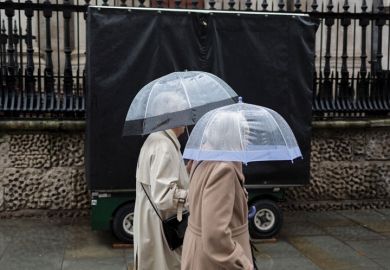
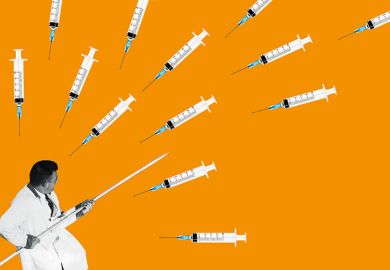
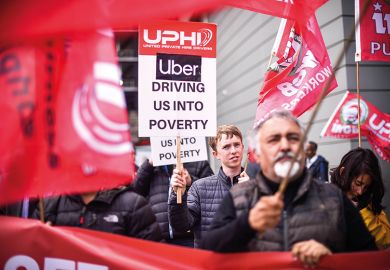
Sexism, unthinking managerialism and toxic ‘them and us’ attitudes are still pervasive within UK universities, according to an anonymous academic who found the dissonances between her values, career expectations and lived reality too much to bear

19 March

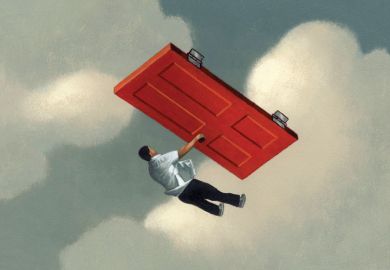
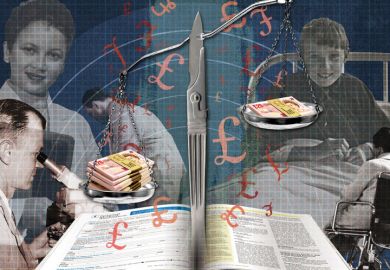
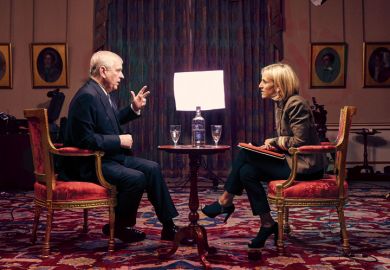
Consulting citation data would ameliorate the all-too-human shortcomings of departmental review, says a Russell Group professor

10 March

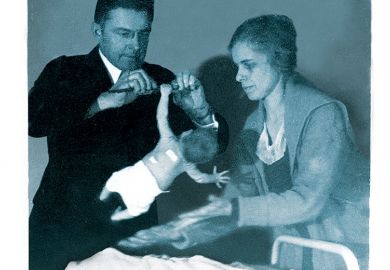
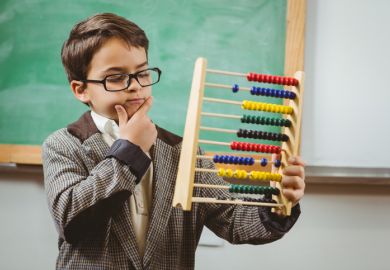
In 1920, psychologist John Watson described his infamous experiments on an infant in a bid to show that the human mind is a blank slate. A hundred years on, Antonio Melechi examines the rise and fall of behaviourism, and the utopian – or dystopian – reflexes that it conditioned

13 February

With careers riding on young scientists’ position in author lists, friction is all too common. A snowballing initiative to list authors’ contributions aims to make sure credit is always given where it is due. But will it be enough to ease the angst? Jack Grove is first author

30 January

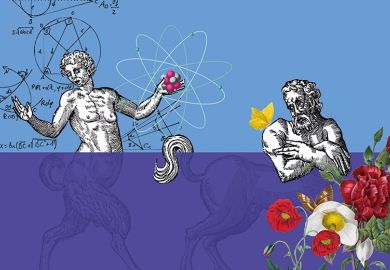
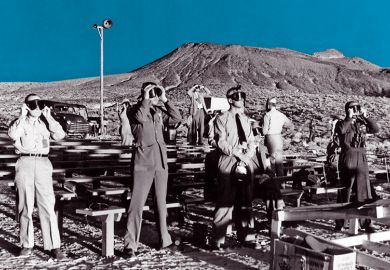
In an era of anti-expert populism, it is more important than ever to stand up for scientific truth. But it is also harder, coming with a high risk of personal attack. Anna McKie speaks to those who have paid a high price for their advocacy, and draws out the lessons for those who want to take up the cause

16 January

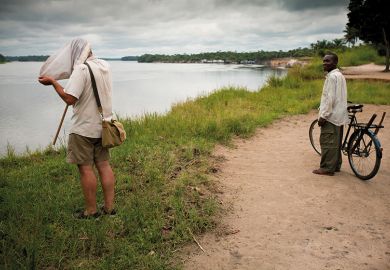
Researchers in developing countries have often been confined to minor roles as translators and data gatherers. But there are signs that the scales are tipping. Simon Baker considers the extent and nature of collaboration between the Global North and South, while Andrew Thompson reflects on the next iteration of the UK’s Global Challenges Research Fund

9 January

The EU’s next framework programme, Horizon Europe, is due to start in just over a year. But while its broad shape is settled, political wrangling over budget and participation rights means researchers are still unclear over their future funding prospects. David Matthews reports from Brussels

28 November

The apparent proliferation of libel challenges by scientists accused of research misconduct have led to fears that journals and others will be dissuaded from calling out wrongdoers. But is the observation accurate? And is the chilling effect reproducible? Jack Grove reports  

7 November