Why students don’t have to choose between art and science
Students who love art but want a more practical degree often feel torn in two – but new courses are springing up that allow them to combine creative thinking with a more vocational discipline
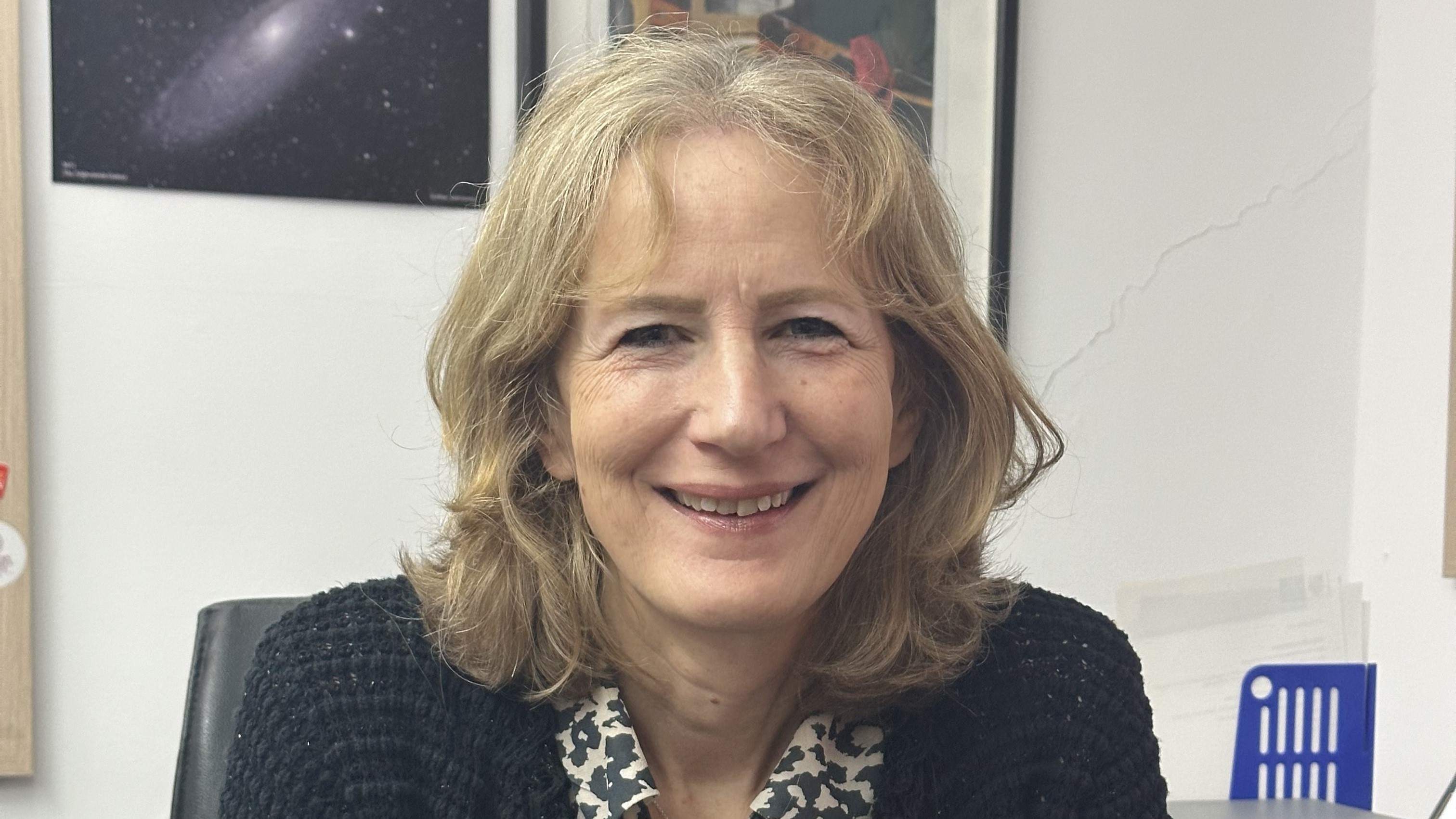
Kam Stylianou


You may also like





For students who have a passion for art but who are drawn towards more practical or vocational degrees, choosing a university course can feel like a compromise. The assumption is often stark: study fine art and keep creativity at the forefront, or choose medicine, economics or engineering and leave it behind.
Increasingly, though, universities across the UK and Europe are challenging that divide, weaving artistic thinking into disciplines not traditionally associated with creativity.
This matters because art is not simply about producing paintings or sculptures. It sharpens observation, develops empathy, encourages critical reflection and helps students make sense of complexity, resulting in a skill set that is valuable in almost any profession.
Art, science and craft
Take the University of Bristol. Its MB ChB medicine programme explicitly describes medicine as an “art, science and craft”, recognising that clinical practice is about much more than technical knowledge. Alongside scientific and clinical training, students can pursue an intercalated BA in medical humanities, a course jointly run by Bristol’s departments of English and philosophy. The programme explores how literature, history and philosophy shape medical understanding, with the aim of producing doctors who are emotionally and cognitively intelligent, culturally aware and philosophically enquiring.
The impact is significant. Bristol’s own research found that 95 per cent of students on its medical humanities course felt it made them better doctors, while 73 per cent said it increased their empathy. In an age where healthcare systems often feel stretched and impersonal, these human-centred skills are becoming more important than ever.
Meanwhile, at the Stockholm School of Economics, art is embedded directly into the business-school environment. Since 2013, its Art Initiative has integrated contemporary art, literature and artist talks into campus life. The school describes art as a “valid knowledge base” that can provoke critical thinking and deepen students’ understanding of themselves and society.
This is not an optional extra: the initiative supports SSE’s wider educational mission to develop reflective and empathetic leaders. SSE even offers elective courses such as “Art and Luxury”, where business students explore the relationship between aesthetics, ethics and commerce. It’s a striking example of how artistic enquiry can influence the future of industries such as branding, management and entrepreneurship.
Interdisciplinary thinking
The blending of arts and non-arts disciplines can also be seen at Imperial College London. Its Dyson School of Design Engineering positions itself at the intersection of engineering, behavioural science and creative practice. Students learn technical skills like mechanics and electronics alongside human-centred design and rapid prototyping. The goal is to build not just functional products, but thoughtful ones that respond to human needs.
Another example comes from UCL, where the arts and sciences BASc allows students to combine sciences, social sciences and arts modules in one degree. UCL promotes the programme as a way to tackle complex global challenges through interdisciplinary thinking, giving students the chance to keep artistic and creative study alive, while building expertise in areas such as health, technology or sustainability.
At Aalto University in Finland, interdisciplinary collaboration is central to its teaching model. The university, formed through the merger of institutions in technology, business and art and design, encourages students across all schools to engage in cross-disciplinary projects. This means engineering or business students can still work closely with artistic practice, innovation and design thinking as part of their degree experience.
These examples reflect a wider shift in higher education: universities are recognising that creativity is not separate from other disciplines. Rather, it strengthens them.
For students, this opens exciting possibilities. Loving art does not mean that your only option is an arts degree. A future doctor may use visual analysis to improve diagnosis. A business leader may rely on artistic thinking to understand culture and innovation. An engineer may use design principles to solve human problems more elegantly.
Investigative work
In many ways, careers counselling has much in common with detective work. Like a detective, a counsellor often pieces together clues, beginning with a student’s interests, strengths, ambitions and concerns, then works to uncover pathways that may not be immediately obvious. It takes careful research to look beyond course titles and discover the hidden opportunities within them, such as artistic elements in medicine, economics or engineering.
This kind of investigation can be transformative. When counsellors delve deeper into university offerings through fly-ins or detailed research, they can empower students to make choices that align not only with their career goals but also with the passions that motivate them. This type of knowledge can give students confidence, clarity and, ultimately, a greater chance of thriving both at university and beyond.
In careers counselling, this is an important message. Students often feel pressure to choose between passion and practicality, but the best university experience may be one that combines both. Looking closely at course structures, electives and interdisciplinary opportunities can reveal surprising spaces for creativity.
The real question is no longer “Should I choose art or something else?” but “How can art enrich the subject I already love?” For many students, that question could lead them to places they never expected – from hospital wards to trading floors to engineering labs – proving that the influence of art stretches far beyond the studio.