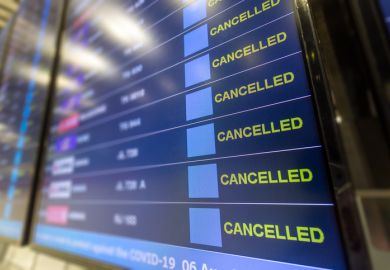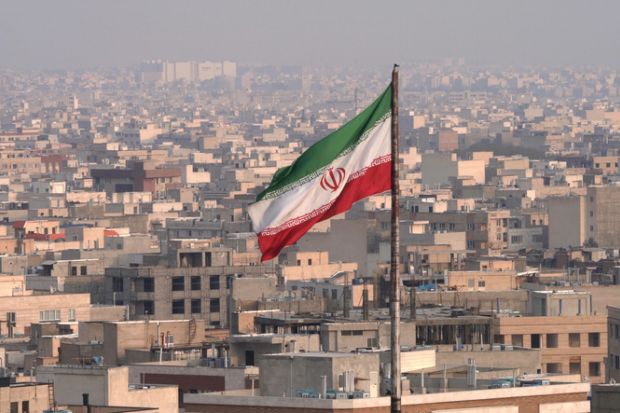
Universities across the Middle East have shut their doors and moved learning online after Iran launched strikes on Qatar and the UAE, in response to coming under attack from the US and Israel.
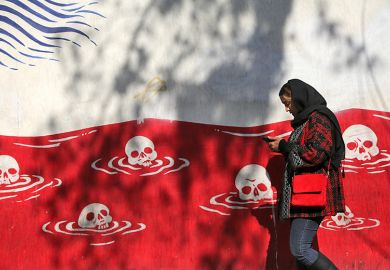
Fresh fighting has embroiled far more of the region than was previously the case, with usually stable countries being drawn into the conflict after Tehran launched missile and drone attacks following the death of its supreme leader Ali Khamenei.
He was killed alongside other high-ranking officials in joint US-Israel airstrikes launched over concerns about Iran’s nuclear weapons programme.
In retaliation, Iran has fired drones and ballistic missiles at countries that host US bases across the region including Israel, Jordan, Bahrain, the UAE, Kuwait and Qatar.
Governments have ordered the closure of educational facilities amid the strikes.
The Ministry of Education and Higher Education in Qatar announced that schools and universities would have to shift to online learning “until further notice”. Bahrain has similarly announced that higher education institutions will have to shift to online learning indefinitely, with universities told to shut their campuses amid the strikes.
The UAE announced that schools and universities would need to shift to online learning between 2 and 4 March. It said the situation was being “continually assessed” and “the period may be extended if required based on developments”.
Universities in Israel, including Ben Gurion University (BGU) and the Hebrew University of Jerusalem, which have long faced frequent closures and periods of online learning because of the ongoing conflict in Gaza, have also shut their doors. BGU also confirmed that it is postponing scheduled examinations by a week because of the disruption.
Meanwhile, Iran appears to have reimposed internet blackouts, with web pages for the Sharif University of Technology, the University of Tehran and the Amir Kabir University of Technology all being inaccessible at the time of reporting.
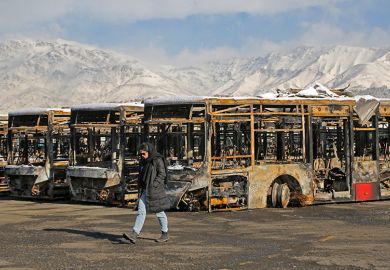
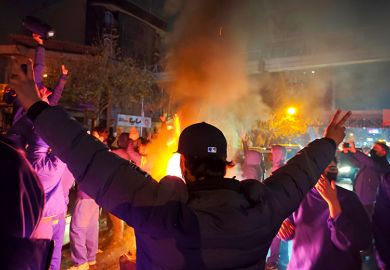
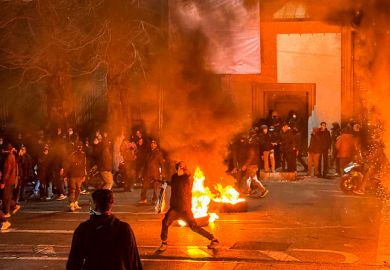
Institutions in the country have faced intermittent campus closures since December, as protests over economic concerns flared into wider political unrest.
Meanwhile, the University and College Union in the UK has joined other groups in condemning the “illegal war” and the “abandonment” of diplomatic talks, saying it could have “devastating global consequences”.
“Reports of civilian casualties, including students and schoolchildren are deeply disturbing and require urgent and independent investigation”, says a statement signed by union leader Jo Grady.
Register to continue
Why register?
- Registration is free and only takes a moment
- Once registered, you can read 3 articles a month
- Sign up for our newsletter
Subscribe
Or subscribe for unlimited access to:
- Unlimited access to news, views, insights & reviews
- Digital editions
- Digital access to THE’s university and college rankings analysis
Already registered or a current subscriber?