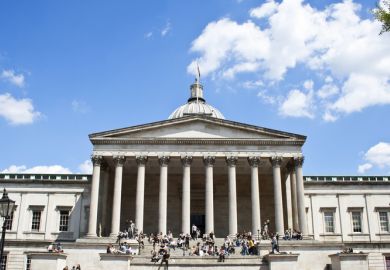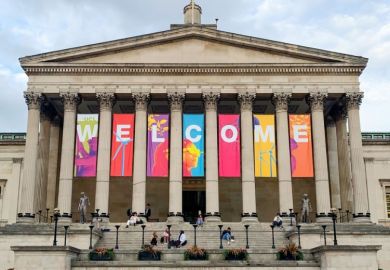
Universities have been warned to brace themselves for more students demanding compensation for disruption to their teaching after a landmark case was settled by UCL.
With legal action now starting against 36 universities, representing 170,000 students, lawyers warned that the final bill for the sector could be higher still as questions continue to be asked about whether changes made to teaching during the pandemic and industrial action breached contracts.
UCL accepted no liability when agreeing to settle with its current and former students and it has not revealed how much compensation it has agreed to give each of the 6,000 involved in the claim. The Financial Times reported the total cost of the settlement to the university was £21 million.
UCL has argued this will still cost less than the legal fees required to contest the case in court and Robert Slade, a solicitor in the education department at law firm HCB Group, said “risk-averse” universities now facing action may also try to settle cases in a bid to resolve matters quickly.
“I think we’ll see a lot more settlements before it gets to court, and I think that a lot of these universities will be looking at ways of addressing the sort of impact of this moving forward,” he said.
The outcome of the UCL case, which had previously been contested by the London-based university, will give “confidence” to other students now coming forward, according to Rhys Palmer, education law solicitor at Robertsons Solicitors.
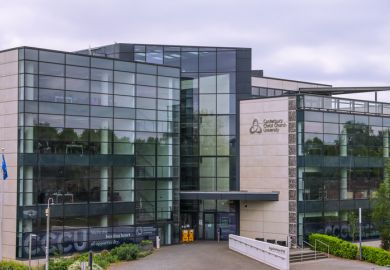
Institutions now facing action include some of those who have experienced the worst financial difficulties such as Cardiff University and the universities of Kent and Nottingham.
The group behind the action, Student Group Claim, has successfully harnessed social media and online advertising to get more students to sign up.
Palmer said that while the “merit of each case must be weighed up” universities potentially risk “significant financial exposure”.
He said it was clear that “some students justly deserve” compensation for “the isolation, the lack of delivery of the courses that they expected and the campus experience generally that they were sold”.
“The fundamental principle is that students should receive the teaching and campus experience that they paid for. If they did not, then there is a credible legal means of seeking redress,” he said.
Priscilla Adu, head of education law at NBB Law, added that there will be “concern” from universities after UCL’s announcement. She said: “There is a high risk that a number of universities may have to pay up, because potentially you’re looking at breaches of contract in the way that some universities have delivered courses to students...Especially considering the public scrutiny and cost implications that come with litigation.”
However, Trish D’Souza, head of education (Cardiff) at Browne Jacobson, said whether the further claims are successful all comes down to the individual cases.
“It may not necessarily be the case that other universities that have been targeted by the class action will follow UCL’s lead, since the claims all depend on their own facts. Whether or not this involves them joining forces as defendants will be interesting, as while a united front could strengthen their hand in court, it may be more difficult to achieve this if there are key differences in how they operated or engaged their students during the pandemic, for example.”
She said “all universities, not just the 36 institutions that received legal letters” should prepare for any claims, noting they should consider compiling an audit trail of how they communicated with students, assess the terms of their student contracts and be able to explain “how they mitigated government-mandated closures with online teaching and provided an experience as close as possible to what would typically be expected without being able to attend campus”.
Register to continue
Why register?
- Registration is free and only takes a moment
- Once registered, you can read 3 articles a month
- Sign up for our newsletter
Subscribe
Or subscribe for unlimited access to:
- Unlimited access to news, views, insights & reviews
- Digital editions
- Digital access to THE’s university and college rankings analysis
Already registered or a current subscriber?