
Equitable research partnerships are no longer optional – here’s how to make them a reality


You may also like
While UK higher education talks about research “partnership”, its practices still often reproduce hierarchy, our recent research in Kenya and South Africa shows – and this needs to change.
Equitable partnerships are the only credible way to do global research today – they are no longer optional. African countries are forging new global alliances, emerging powers offer collaboration based on mutual benefit, and communities are demanding research that improves their lives. The era of extractive research is over. If the UK wants to remain relevant, partnerships must become genuinely equitable, built on shared power, real reciprocity and outcomes that matter to the people who shape the knowledge.
For years, international research has used the word “partnership” to suggest collaboration, but in practice, as Faith Mkwananzi and Melis Cin argued in their 2021 Campus article, “Equal research partnerships are a myth – but we can change that”, hierarchy remained the norm.
The BEAP (Building Equitable African Partnerships) report, published last year, argues that equity is not a sentiment. It is a practical necessity that requires action. Principles of equitable partnerships must be built structurally into funding mechanisms, institutional processes, researcher behaviour and community relationships or they do not exist.
- Spotlight guide: Teaching and researching across international borders
- Indigenous voices in higher education
- Campus talks: the benefits of citizen science and community-engaged research
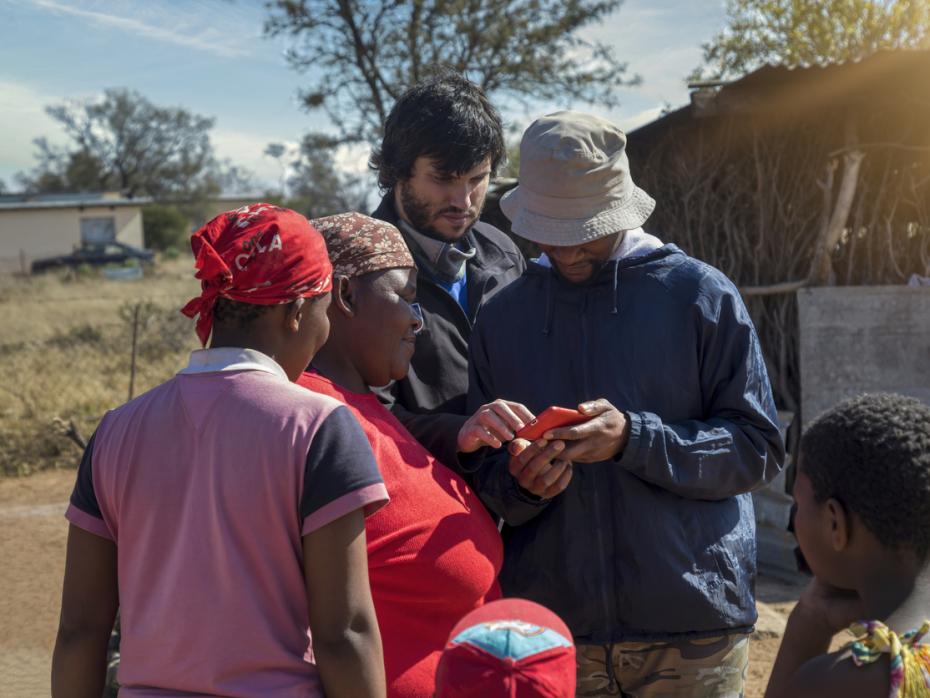
The feeling that “research is done to us, not with us” came out strongly in our research in Kenya and South Africa. The “research-well-being gap” – that is, the gap between the polished reports researchers produce and the unchanged lives of the people whose knowledge made those reports possible – challenges the building of trust or long-term collaboration. Closing this gap matters because without visible benefits, whether social, cultural, political, or practical, there is no genuine partnership. There is only extraction pretending to be engagement.
What do equitable research partnerships actually require?
Africa is not a laboratory, it is a research collaborator
Research in Africa has been particularly susceptible to inequitable practices, with the continent often treated as an exception or as a laboratory. Africa’s challenges are not anomalies; they are local manifestations of global processes. Research must begin with the recognition that climate change, resource extraction, geopolitical competition – which are often disproportionately borne by Africa – are produced through global power dynamics. Africa is also not a laboratory for identifying or testing Western solutions.
Build academic partnerships based on shared knowledge and practices
Many researchers in our workshops expressed a familiar frustration: they must learn UK systems, ethics and methodologies but UK partners rarely make the effort to understand African ones. That is not partnership; it is assimilation.
True equity requires that partners learn from each other’s practices to become better together. It is not the assimilation of one partner by the other. By sharing our practices, methods and expertise, we can more easily build the capacity of our projects and partnerships. This requires UK researchers to learn about partners’:
- financial systems, legal pathways for signing off agreements and hiring practices for recruiting researchers and library access, for instance
- ethical norms, including oral consent and community-led review
- methodologies that are locally meaningful, including quantitative methods, as others learn from the UK.
Treat communities as rights holders, not stakeholders, in research
Local knowledge is not free. It is valuable expertise, and people deserve to be compensated in ways that matter to them; whether through payment, recognition, opportunities, or lasting community benefits. Too often, UK partners still decide the agenda, choose the methods, control the money, and take the lead on publications. Pointing out these imbalances is not an attack; it is the first step toward fixing them. Without this honesty, research becomes extractive; taking from communities without giving anything meaningful back.
Sustainability matters more than research project cycles
Current funding systems reward quick results, not long-lasting relationships. Yet good research practices show that long-term relationships produce better results and impact. Participants were clear: real partnership needs support that lasts. That means multi-year funding, research hubs led by local teams, proper budgets for community engagement, and infrastructure that stays in place after the project ends. Without this kind of continuity, trust quickly disappears.
Accountability for ensuring equitable research
Partnerships become equitable only when equity is embedded into enforceable practices, such as reciprocal due diligence, transparent budgeting, shared governance, co-authored outputs, community benefit agreements and African-led ethical review boards.
Without structural commitments, equity collapses into rhetoric.
The opportunity for better research and greater impact
The world is changing, requiring individuals and states to adjust in many ways. How we do research is one of those adjustments necessary for a changing Africa and world. Increasing competition in a multipolar international system offers Africa choice. The declining competitiveness of the UK offer could limit benefits of UK-Africa relations in the research sector, while equitable partnerships can contribute better research and impact, bringing benefits to all.
The BEAP (Building Equitable African Partnerships) team who co-authored this resource are:
Ashley Gunter is a professor in the College of Agriculture & Environmental Sciences at the University of South Africa; Melis Cin is a senior lecturer in education and social justice at Lancaster University; Manu Lekunze is a lecturer in international relations at the University of Aberdeen; Wyclife Ong’eta is a lecturer in the School of Security, Diplomacy and Peace Studies at Kenyatta University and the executive director at Oasis Peace Web Organization in Kenya; Parvati Raghuram is a professor of geography and migration at the Open University.
If you would like advice and insight from academics and university staff delivered direct to your inbox each week, sign up for the Campus newsletter.
