How would universities fare in a new Cold War?
EUA report imagining scenarios for 2030 also paints picture of higher education being squeezed by markets and authoritarianism
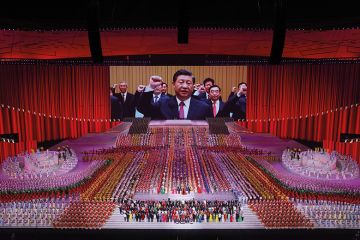
EUA report imagining scenarios for 2030 also paints picture of higher education being squeezed by markets and authoritarianism

An enlightened university should offer all accused students expert representation, advice and support, says Daniel Sokol

Lifelong Education Commission says ministers should explore how to ‘stack’ microcredentials and drop ELQ rule

Schools should be hubs of interdisciplinarity, co-producing research and solutions with key stakeholder groups, says Ansgar Richter

Institutional leaders ‘don’t listen’, leaving line managers to provide little more than ‘palliative care’

Institutions need to do all they can to stay visible and be ready to welcome students back when borders reopen, says Stephen Connelly
Sociologist criticised by MPs says that he plans to appeal against termination
Final two staff members facing axe allowed to leave on more generous terms following long-running industrial action and international boycott
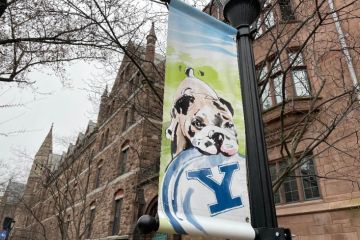
Beverley Gage leaves Brady-Johnson programme after president insists $250 million funder can pick its advisory board members

New Cambridge guidance will help academics avoid collaborations that pose a threat to security or academic freedom, says Stephen Toope

Prospect of international student arrivals boosted by Sinovac approval and reopening of borders to Australian travellers
Labour shadow minister accuses Eton and Winchester-schooled ministers of ‘culture wars’ approach of cutting HE entry

Research keeps affirming benefits of ‘active learning’ styles but faculty resistance persists, experts find

Portuguese use in particular has seen relative decline as Brazil-based authors seek collaboration outside region