There are so many reasons why EDI is not the answer
If we wish to transform our institutions, we must see EDI not as an end but as a tool to start recognising the power that feeds oppressive structures, says Manvir Grewal
September 30, 2021

If we wish to transform our institutions, we must see EDI not as an end but as a tool to start recognising the power that feeds oppressive structures, says Manvir Grewal

Ibtihal Ramadan explains why Islamophobia remains absent from many universities’ efforts to tackle racism and what steps can be taken to address the problem at an institutional and individual level

Two experts in flexible learning programmes discuss the evolution and adoption of alternative teaching models and credentials in higher education

Four teaching academics discuss effective approaches to keeping students focused and engaged inside and outside the classroom

Sue Bennett outlines a call to action for academics and institutions to recognise inequalities in access to, and proficiency with, technology among students and to help extend digital inclusion to all

For leadership to be effective, we need to understand our own limitations and listen to others to learn how to overcome them, say Sarah Jones and Alasdair Blair

Ridhima Aggarwal shares effective strategies for fostering a deep understanding of how business and society are interlinked and embedding social impact considerations within business school teaching

The debate on the ethics of randomised control trials isn’t getting us anywhere – it’s time for solutions, says Stefano Caria

The extensive terminology surrounding research ‘impact’ can be confusing for those new to it. To help, Alex Smith and Laura Tucker have compiled a glossary of the most common terms

Students want to be seen, heard and valued, and there are many ways to include them while fostering equitable learning outcomes, says Flower Darby

Working online presents opportunities for students to develop their employability in the digital space. Ruth Donnelly lists how remote programmes can prepare them for the changing workplace

Let’s not waste this opportunity to make development broader and more inclusive using the lessons of the past 18 months, says Chris Headleand
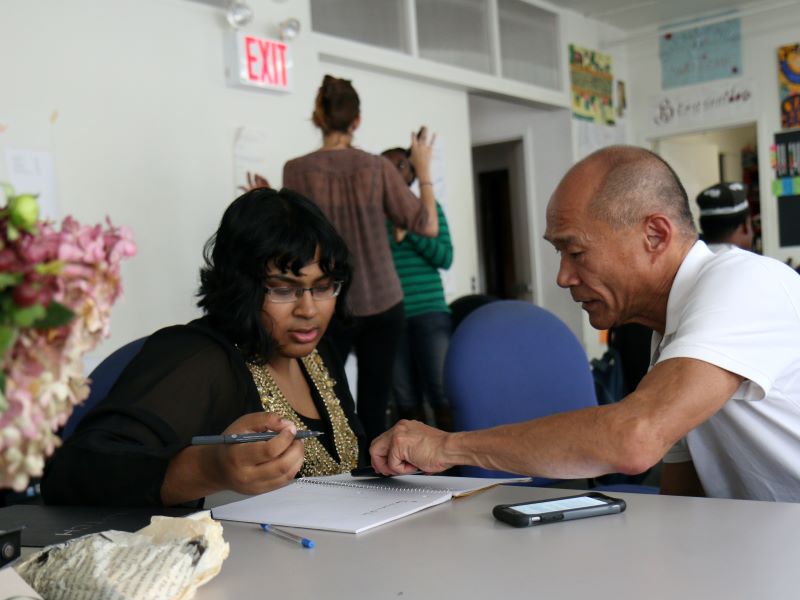
Jonathan Michie shares insight to help institutions develop lifelong learning strategies that meet the need for flexible and relevant educational programmes

Miriam Green and Susanna Leong share key considerations for universities to develop effective lifelong learning programmes that will keep pace with the rapid changes across higher education

The digital tools used during the pandemic may help address access and scale, but they do little to help students actually learn, says Tom Adams