
Reusing Agro-Industrial Wastewater: A Promising Solution with Hidden Risks
Agro-industrial wastewater could ease water scarcity, but hidden contaminants may threaten food safety, ecosystems, and health.

Sponsored by

Sponsored by
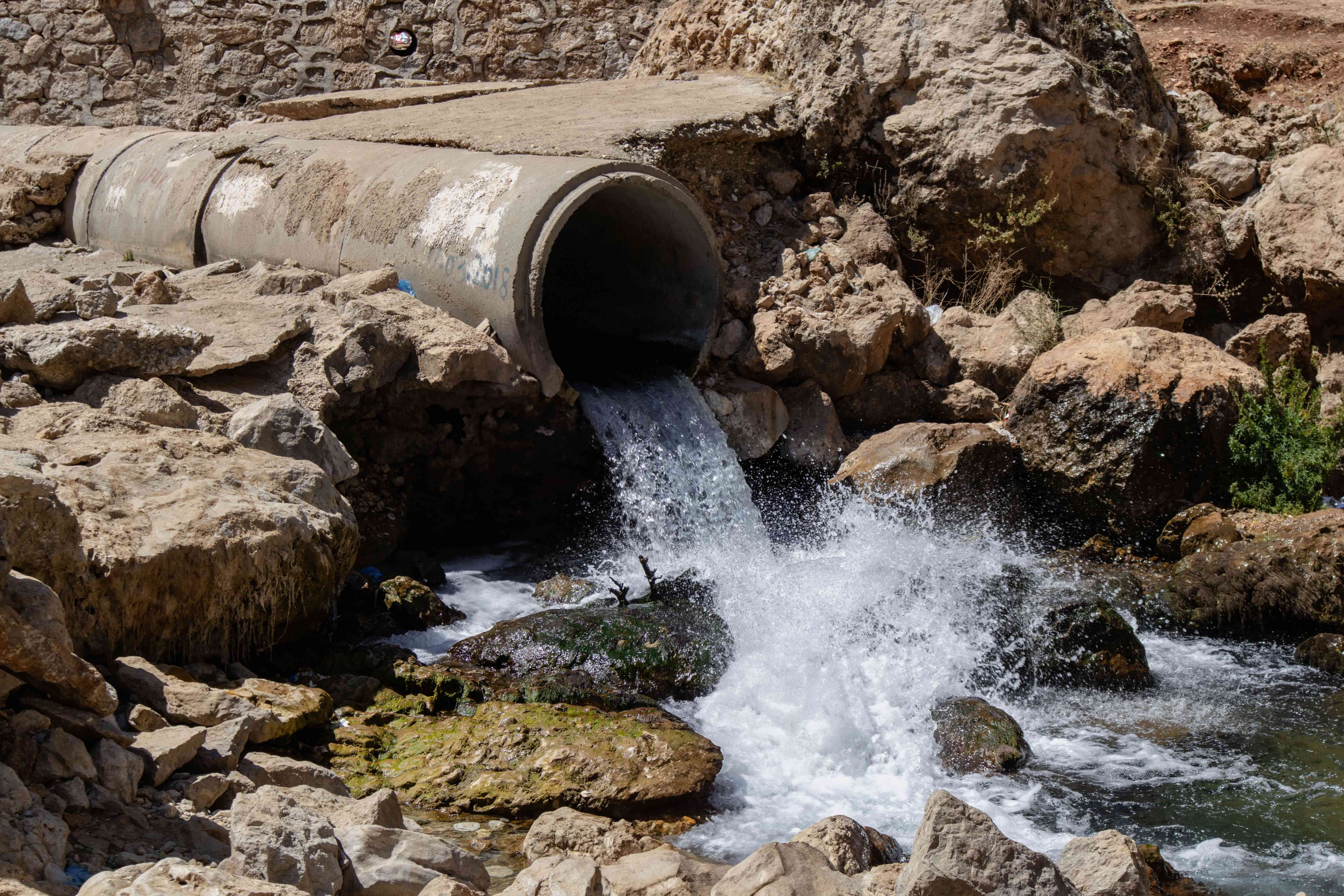
Image source: Pexels
Amid a worsening global water crisis, scientists and environmental practitioners are seeking ways to maximize the reuse of every drop of water. One promising candidate is agro-industrial wastewater (AIW)—effluent generated from food-processing facilities, livestock farms, aquaculture operations, and ethanol plants. Rich in nutrients and available in large volumes, AIW offers an ideal solution for irrigation, aquaculture, and industrial applications. However, Rinaldy Jose Nathanael and Katharina Oginawati from Universitas Airlangga and Institut Teknologi Bandung warn of a hidden threat: contaminants of emerging concern (CECs).
In their recent scientific review, the researchers identified three groups of CECs that pose the greatest concern in AIW. The first group consists of pharmaceutical compounds. Modern livestock production relies heavily on antibiotics and hormones, ranging from tetracycline used in cattle to synthetic estrogens employed in animal reproduction management. These compounds can enter wastewater systems and remain in the environment for extended periods. When contaminated AIW is reused for crop irrigation or aquaculture, it can contaminate food products, promote antibiotic resistance, and disrupt aquatic ecosystems. Even trace levels of hormone residues may impair reproduction in fish and amphibians.
The second group includes next-generation pesticides. Compounds such as neonicotinoids and diamides are designed to be highly effective, but also contributes to their environmental persistence. Agricultural runoff transport these chemicals into wastewater generated by food-processing activities. When pesticide-contaminated AIW is reused for crop irrigation or groundwater recharge, these contaminants may infiltrate food chains and drinking water supplies, potentially causing endocrine disruption and increasing long-term carcinogenic risks.
The third group comprises microplastics and nanoplastics. These plastic particles, smaller than five millimeters—and in some cases less than 100 nanometers—originate from product packaging, conveyor belt components, and aquaculture equipment. Their extremely small size allows them to penetrate soil pores, be absorbed by plant roots, and accumulate in fish tissues. More concerningly, the surfaces of microplastics act like magnets for other pollutants, including heavy metals and pesticides, amplifying their overall contaminating effects.
Conventional wastewater treatment systems, which are generally effective at removing suspended solids and common organic pollutants, are often unable to eliminate CECs efficiently. More advanced technologies, such as Membrane Bioreactors (MBRs) and Advanced Oxidation Processes (AOPs), have demonstrated promising results, with removal efficiencies for certain antibiotics exceeding 90 percent. However, their high operational costs discourage adoption by many small and medium-sized enterprises. To address this challenge, the authors propose hybrid treatment systems that combine MBRs, AOPs, and low-cost adsorbent materials, alongside modular designs that can be adapted to different scales of operation—from small tofu-processing facilities to large poultry farms.
Ironically, regulatory frameworks have not kept pace with the problem. Neither the standards of the U.S. Environmental Protection Agency (EPA) nor the European Union’s REACH framework currently provide specific limits for many CECs in recycled water, particularly microplastics, nanoplastics, and newer-generation pesticides. Nathanael and Oginawati argue that without clear and robust regulations, AIW recycling systems could become part of the problem rather than the solution. Instead of conserving water resources, they could inadvertently spread pollutants to agricultural land, aquaculture systems, and ultimately the human food supply.
Technology is not enough to solve the problem. It requires a combination of affordable water-treatment innovations, science-based and adaptive regulations, circular-economy approaches that recover both water and nutrients from waste streams, and interdisciplinary collaboration among environmental engineers, toxicologists, policymakers, and local communities. Agro-industrial wastewater has the potential to become a valuable resource in an era of growing water scarcity. Yet, much like a gold mine that must be managed carefully to avoid poisoning its surroundings, AIW requires rigorous treatment and oversight before it can be safely returned to the cycle of life.