
Why Antarctica matters for Hong Kong – even from 12,000 kilometres
Benjamin Horton, dean of the School of Energy and Environment at City University of Hong Kong, discusses the urgency of climate action and the importance of polar exploration in shaping impactful solutions

Sponsored by City University of Hong Kong

Sponsored by

Sponsored by
Words by Benjamin Horton, dean of the School of Energy and Environment at City University of Hong Kong.
When Hong Kong residents picture climate risk, they tend to think close to home: typhoons spinning up in the South China Sea, a black rainstorm flooding underpasses or summer heat that seems to arrive earlier each year.
Antarctica can feel like the opposite of immediate – remote, silent and irrelevant to daily life in a city of neon, harbours and high-rises. Yet what happens at the bottom of the planet is quietly shaping Hong Kong’s future above the waterline.
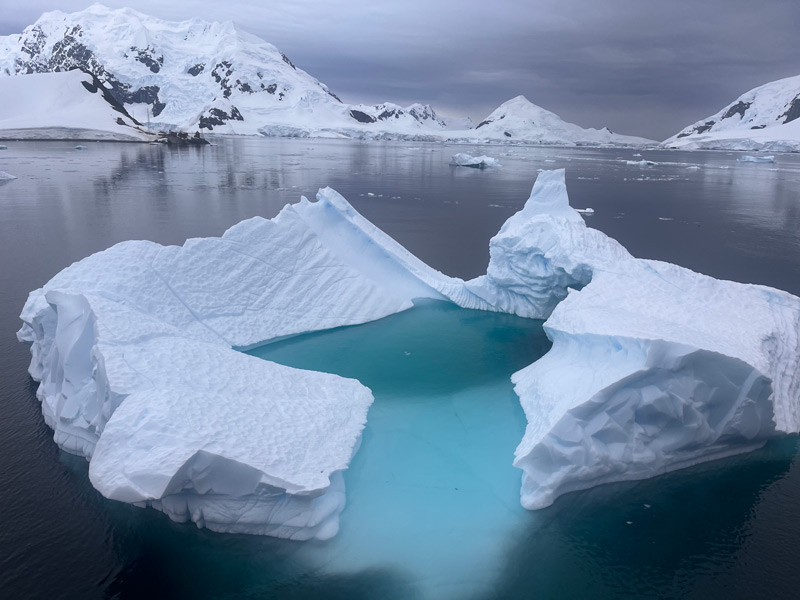
First, Antarctica is not just a frozen continent; it is Earth’s largest storehouse of fresh water locked in ice. If that ice sheet loses mass – through surface melting or warmer oceans eroding ice shelves from below – sea levels rise.
Sea level rise is not a distant abstraction for coastal cities built around reclaimed land, tunnels, railway lines, ports and waterfront neighbourhoods. Even small increases in average sea level can make storm surges more damaging, push saltwater further into coastal systems and turn rare flooding into a more frequent and costly disruption. In practice, a higher sea level means the same typhoon can do more harm.
Second, Antarctica acts as a powerful engine for the global ocean and climate. Around the seventh continent flows the Antarctic Circumpolar Current, which helps redistribute heat and influences how the oceans absorb carbon and warmth. When the Southern Ocean changes – through shifting winds, warming waters or increased meltwater – it can alter circulation patterns that affect weather far beyond the polar latitudes. Hong Kong’s climate is driven by monsoons, ocean temperatures and atmospheric circulation, which are connected. The planet’s climate is one system, not a set of isolated regions.
Third, Antarctica matters because it is a warning system with a long memory. Ice cores preserve past climate changes; ice shelves reveal how quickly warming oceans can destabilise coastlines of ice; satellites show accelerating changes in near-real time. The ice sheet does not respond smoothly. It can pass thresholds where retreat speeds up, committing the world to higher sea levels for centuries. The decisions made in the next decade about energy, emissions and adaptation will determine how close we get to those thresholds.
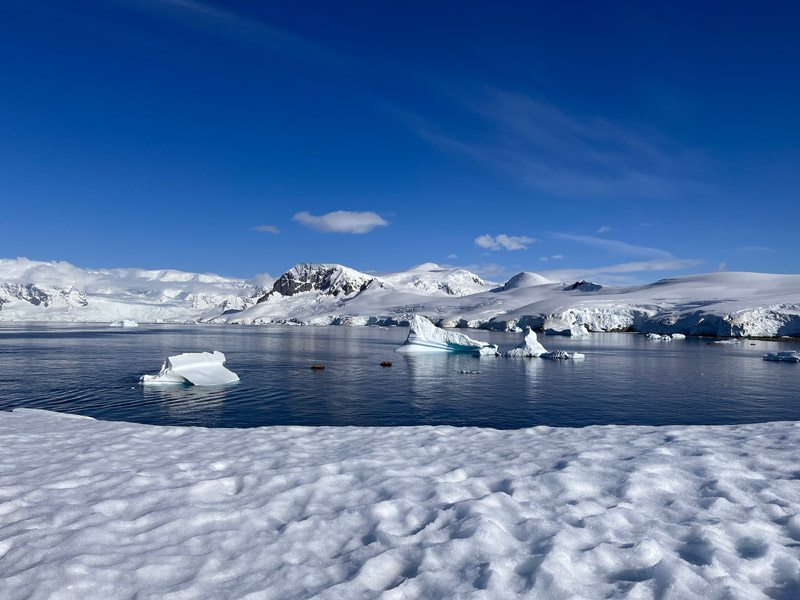
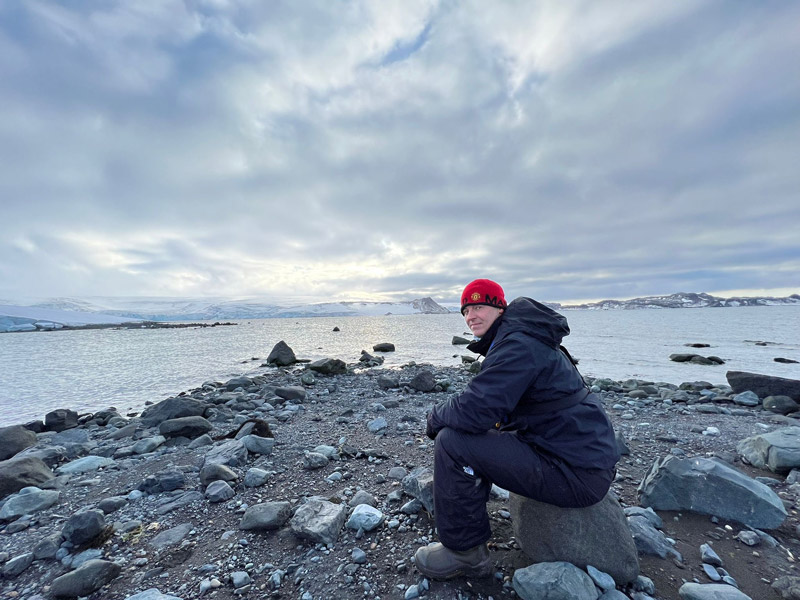
That is why I am returning to Antarctica this December. I first travelled there in 2023, and the experience reinforced a simple lesson: the polar regions are not distant curiosities. They are active parts of the system that governs sea level and climate for the whole world. This time, I will join a research cruise to study the Antarctic ice sheet, gathering observations that help us understand how fast the ice is changing, what is driving those changes and what that means for future sea levels.
The goal is not polar adventure – it’s measurement. Better observations improve models. Better models help planners design coastal defences, upgrade drainage, protect critical infrastructure and reduce the risk that today’s “once-in-a-century” flood becomes a regular headline.
Antarctica may feel far away, but its meltwater does not stay there. It spreads through the same oceans that surround Hong Kong. In a city defined by its shoreline, the fate of distant ice is local news.