Referrals from within universities to the government’s counter-terrorism scheme increased by nearly 50 per cent last year, with cases of extreme right-wing radicalisation up by 18 per cent, new figures show.
English higher education institutions are required to return data to the Office for Students (OfS) about cases of potential individual radicalisation as part of the government’s Prevent strategy.
The latest data from the OfS shows 250 cases were escalated to a Prevent officer in 2024-25, down from 265 the year before but well up on the 140 cases reported five years ago.
The number of formal external Prevent referrals grew by 46 per cent year-on-year, from 65 in 2023-24 to 95 last year.
Institutions are required to specify the underpinning ideology for each case. Of those formal external referrals, 45 were due to “mixed, unclear or unstable ideology”, 20 to “other radicalisation”, 20 to “extreme right-wing radicalisation” and 15 to Islamist radicalisation.
The number of cases linked to right-wing radicalisation reached their highest levels ever, with 45 cases escalated to the Prevent lead last year, compared with 30 in 2023-24.
Formal referrals across all ideology types came from 16 per cent of providers, up from 12 per cent the previous year.
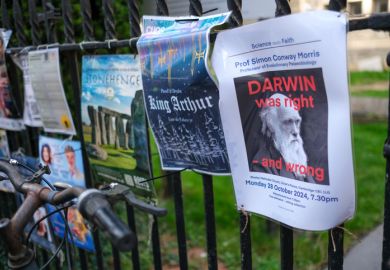
The OfS also published data on events and external speakers, showing 42,475 events or speakers were approved last year, largely in line with figures from the previous year.
Under Prevent guidance, higher education institutions must consider whether the views being expressed by speakers, or the views likely to be expressed, constitute extremist views that risk drawing people into terrorism or are shared by terrorist groups.
This duty interacts with freedom of speech laws that require universities to secure lawful speech on campuses and protect academic freedom.
The data shows that 1,400 events were approved subject to mitigations or conditions in 2024-25, while 380 events or speakers were rejected across 27 higher education institutions. Of these, 320 were rejected because of “reasons related to procedural matters”.
The number of rejections was up 78 per cent from the 220 reported last year.
“The data we’ve published today gives an overview of the important work universities and colleges are doing in relation to the need to prevent people from being drawn into terrorism,” said David Smy, deputy director of enabling regulation at the OfS.
“This is vital to protect students and staff, including those at risk of being radicalised.”
He added it is important that “institutions meet their duty to take steps to secure freedom of speech for staff, students, and visiting speakers”.
“Our findings show that the vast majority of events went ahead last year, which is an encouraging sign that institutions recognise the value of robust debate.”
A new free speech complaints scheme is set to launch in September, allowing grievances to be lodged with the regulator in cases when a university is seen to have impinged on free speech and academic freedom.
Register to continue
Why register?
- Registration is free and only takes a moment
- Once registered, you can read 3 articles a month
- Sign up for our newsletter
Subscribe
Or subscribe for unlimited access to:
- Unlimited access to news, views, insights & reviews
- Digital editions
- Digital access to THE’s university and college rankings analysis
Already registered or a current subscriber?