The terms and conditions attached to student loans in England are set to be probed by MPs amid “intense dissatisfaction” among current graduates.
As pressure continues to build on the government to address spiralling levels of debt among the generation of students who first paid £9,000 fees, the House of Commons Treasury Committee has announced a new inquiry on repayment terms.
It will look at whether interest rates should be set above inflation, whether the interest charged should be dependent on income and if interest should be added to the loans at all.
MPs will also consider what proportion of a student’s university education should be covered by the state compared with the individual themselves.
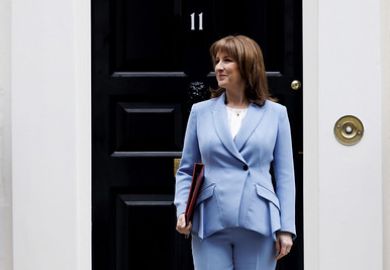
Questions around whether the government should be able to change the conditions of the loan once it has been taken out – a key bone of contention in the current debate after the chancellor, Rachel Reeves, froze repayment thresholds in last year’s budget – will also form a major part of the inquiry.
The committee said it was aware that “many graduates have become intensely dissatisfied with the terms of the loan”, which had been amplified by Reeves’ decision.
Students who took out “Plan 2” loans in England between 2012 and 2023 have been the focus of much of the debate because of the higher level of interest charged to those earning above £51,245.
Research by the Institute for Fiscal Studies showed that students leave university more than £50,000 in debt and many will never pay it off because of interest accruing at a faster rate than repayments are made.
One of the architects of the system, Nick Clegg, who served as deputy prime minister in the coalition government when reforms were brought in, criticised it as “mess” in an interview with the BBC, saying constant changes made by subsequent governments had made things “deeply unfair”.
Student leaders from across England took to parliament on 11 March to press MPs on student loan reform and call for repayment thresholds to be unfrozen in a campaign organised by the National Union of Students, which has been fiercely critical of the current arrangements.
Reacting to news of the inquiry, Amira Campbell, NUS president, said it had been called as a “clear result of sustained pressure from students and graduates”.
“Throughout the inquiry, we will advocate for a progressive student loan model founded on the basic principles of fairness,” said Campbell. “No graduate should be financially penalised by retroactive changes to contracts that they signed when they were 17, repayment thresholds should be fair and increase with inflation, and interest rates should not feel like a psychological burden on low and middle earning graduates.”
Recent graduates and current and prospective students are being invited to participate in the committee inquiry via an online survey, with MPs keen to hear whether they will be put off taking out loans and if repayments are having an impact on their financial planning.
The committee said the inquiry will inform its views on “whether people are being treated fairly once they leave higher education”.
“Fundamentally, what we’re asking is, have the goalposts been moved in a way which is unfair to graduates?”, said chair Meg Hillier.
“Many people have benefited from widened access to higher education but upward interest rates and sometimes particularly high marginal tax rates have clearly led to widespread dissatisfaction among graduates who may not have fully understood their repayment terms and the possibility they could change.
“It’s critical that the model for financing university education is sustainable but there are questions over whether decisions such as freezing the threshold for repayments is placing the burden unfairly on younger people.”
Register to continue
Why register?
- Registration is free and only takes a moment
- Once registered, you can read 3 articles a month
- Sign up for our newsletter
Subscribe
Or subscribe for unlimited access to:
- Unlimited access to news, views, insights & reviews
- Digital editions
- Digital access to THE’s university and college rankings analysis
Already registered or a current subscriber?