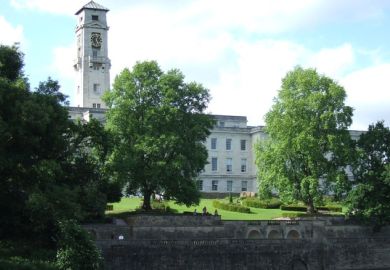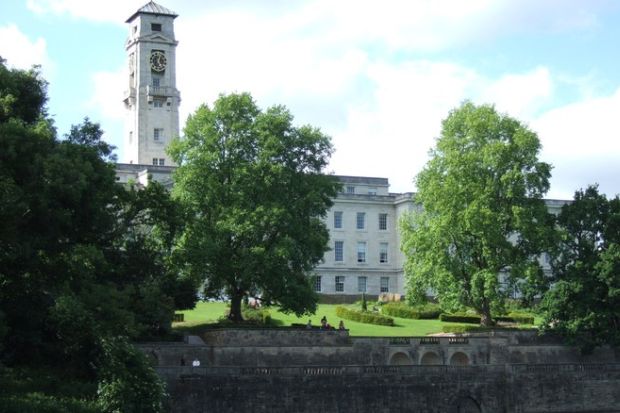
The University of Nottingham has confirmed that it will close its music and languages departments as it presses ahead with more than 500 job cuts despite widespread opposition from staff and students.
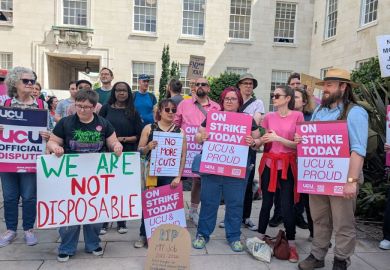
Controversial changes at the Russell Group university have been approved by its council while its University and College Union (UCU) branch continues strike action that is set to last for the entirety of the current academic term.
The university said it will now move forward with implementing the changes following a more than two-month consultation with staff and unions about the proposals.
The final business case was shared with staff on 5 October which confirmed that the university will be pursuing proposals to shut all its languages and music courses. It also outlined that the university will be cutting 560 jobs – revised down from an initial plan to cut 608 jobs. The university noted that it will be creating a select number of new roles as part of the changes.
The job cuts are one of the highest figures seen in a sector which has seen an estimated 30,000 cut in recent years as universities battle a financial crisis caused by declining international enrolments, rising costs and a long fee freeze.
Defending its decision to press on with the cuts, Nottingham said that it had recruited just over 100 students across 20 different modern languages courses in recent years, resulting in its reducing its enrolment targets by more than 40 per cent.
It said while it will no longer provide language degree courses, it will open a new language centre, which will allow the majority of students to study a language module as part of their degree. The move is likely to reignite fears of a languages “cold spot” in the East Midlands, with the announcement meaning that no university in the region will offer language degrees.
Music will also be axed, but Nottingham said that music-related research will continue within its School of Computer Science, where up to four new full-time roles will be created to examine the intersection of music, technology and innovation.
A spokesperson for Nottingham said it has been developing a “clear plan to strengthen our organisation for the future and ensure it continues to be a global leader in education, innovation, student success and research”.
“This transformation is among the most significant this university has seen in its 145-year history, and it is a change that has been shaped by our staff, students and alumni. Around a third of the alternative proposals received through our consultation processes have been incorporated – either in part or fully – into the final business case and will help our future university develop and thrive.
“We know that change of this scale is not easy, and we do not underestimate what it means for many of our colleagues and students. We are doing everything we can to support our staff through this difficult process.”
Where the proposals affect staff roles, “we are working to manage the impact and minimise the number of compulsory redundancies that may be required,” it said.
“Throughout the process, at-risk staff have been offered a number of voluntary redundancy options, a voluntary reduction in hours scheme and we will be exploring potential redeployment opportunities wherever possible.”
Register to continue
Why register?
- Registration is free and only takes a moment
- Once registered, you can read 3 articles a month
- Sign up for our newsletter
Subscribe
Or subscribe for unlimited access to:
- Unlimited access to news, views, insights & reviews
- Digital editions
- Digital access to THE’s university and college rankings analysis
Already registered or a current subscriber?