Hundreds of UK university students are still waiting for marks after this summer’s assessment boycotts, with some unable to graduate yet.
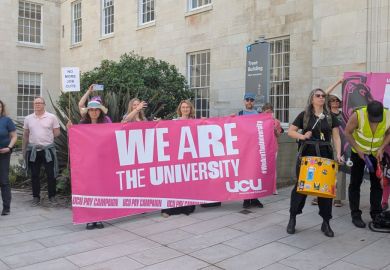
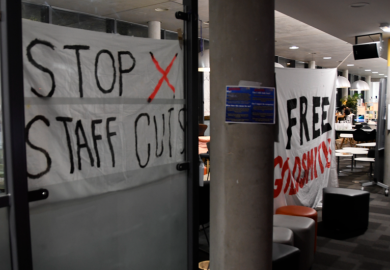
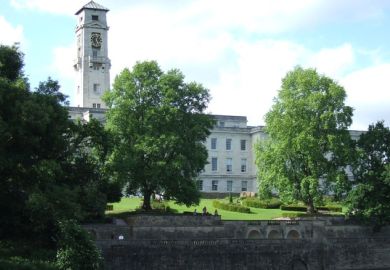
University and College Union (UCU) branches refused to grade coursework and exams at the universities of Nottingham and Edinburgh and Goldsmiths, University of London, in response to managers’ plans for sweeping job cuts.
The impact is still being felt. While some learners have been left unable to graduate, others have had to endure delays to the next tranche of their student finance payments.
The UCU branch at Goldsmiths said that hundreds of students at the institution were still waiting for marks, with dozens of them unable to graduate.
UCU members at the university are currently undertaking indefinite strike action, and those who participated in the marking boycott had their full pay docked.
The boycott had been a “last resort” in response to hundreds of jobs being put at risk, said Joe Newman, the branch chair.
He said there continued to be “significant disruption [to] both final-year students and continuing students”, which was causing “huge uncertainty” for their ability to progress throughout their degrees or to enter the job market.
Students have raised concerns about the use of external markers and the feedback provided, Newman said, and have questioned how much was being spent on such markers when the university “could just stop this cycle, negotiate with us, and bring us back to work so that we can get back in rooms of students, as we want to be doing”.
A Goldsmiths spokesperson said that “a significant proportion of marking has been completed”.
“Outstanding marking is being completed, and outcomes will be shared with students as soon as possible. Where students are without marks, we are doing everything we can to help them progress,” they said.
At Nottingham, students were offered the opportunity to receive either averaged or predicted marks, depending on how much was yet to be evaluated, in lieu of their marked assessments.
But 20 students have been left unable to graduate or progress to the next stage of their degree because they chose to reject outcomes determined under the contingency arrangements and are still waiting for their original work to be marked, the university confirmed.
The union argued that the impact of the new arrangements has been wide-ranging and caused stress for students.
Students were given a week over the summer to decide whether to accept one of the grading options or to wait for a marked assessment, the UCU branch claimed, putting “pressure” on them to make an immediate decision.
Nick Clare, the president of the Nottingham UCU branch, said there were “clear” equality and diversity issues over “who has the ability to hold on and wait for the real things, versus people who feel they need to play it safe”.
He said students felt “pressured” into accepting the averaged or predicted marks because of the “uncertainty” over whether they would graduate, with late marks affecting job and postgraduate study offers, and their ability to progress to the next academic year.
The marking delays have held up student finance payments for some, hampering their advancement to the next academic year. Some students learned whether they had passed the last academic year only on 22 September, leading to some “difficult conversations”, Clare said.
“I think some cases are getting there, but it is just a bit of a shock. That late student finance payment can make a big difference because not everyone has anyone they can fall back on,” he said.
A Nottingham spokesperson said the university recognised that it has been “a difficult and frustrating time for our students”.
“We are sorry for the uncertainty and disruption experienced by those affected by the marking and assessment boycott. While we worked hard to put measures in place that enabled the vast majority of students to progress or graduate on time, a small number – around 20 students – continue to be disadvantaged as a result of the union’s actions,” the spokesperson said.
They said the cases were being managed individually, and “we expect them to be resolved shortly”.
“We appreciate that some students faced difficult choices in challenging circumstances and have sought to support them as fully as possible,” they said.
At the University of Edinburgh, a spokesperson said that the marking boycott was “not widespread” and that “the vast majority of our students have received their marks”.
“Following the boycott, our focus has been to work with colleagues to complete outstanding marking affecting a very small proportion of students. We have communicated directly with those affected and continue to offer tailored support,” the institution said.
Register to continue
Why register?
- Registration is free and only takes a moment
- Once registered, you can read 3 articles a month
- Sign up for our newsletter
Subscribe
Or subscribe for unlimited access to:
- Unlimited access to news, views, insights & reviews
- Digital editions
- Digital access to THE’s university and college rankings analysis
Already registered or a current subscriber?