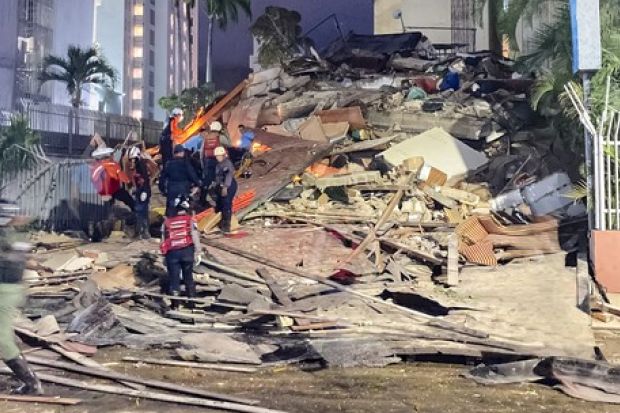
Venezuela’s deadly earthquakes have derailed students’ study plans, with international funders stepping up efforts to support people to continue their courses.
The Institute of International Education (IIE) – known for administering the Fulbright Program – says it has supported 31 Venezuelan students in the US through its emergency fund since 6,300 people were killed during huge earthquakes in June.
Each has received a sum of between $2,000 and $3,000 (£1,481 to £2,222) to cover expenses they might now be facing on top of their educational costs.
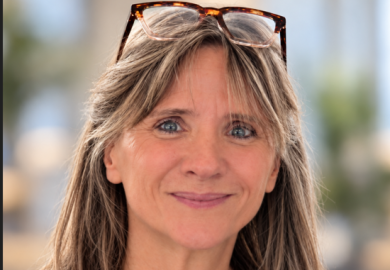
One student, Paola Valentina Crespo Moreno, who is beginning her last semester studying computer science at Troy University in Alabama, told Times Higher Education (THE) that her parents had been preparing to sell their family home in Caracas to pay for her to finish the course.
But the property was “extremely damaged” by the disaster, suddenly leaving them without this option – making the grant a lifeline mere months before her graduation in December.
The IIE has run its Emergency Student Fund (ESF) for 16 years, also recently supporting students in Turkey after devastating earthquakes there in 2023. It has provided more than $9 million in support in total.
After the Venezuelan earthquakes, the IIE team sent out a call to action to the grant-giver’s US university network of 450 institutions. From there, 25 responded, nominating their chosen students for support. Those selected belong to institutions including the University of Notre Dame.
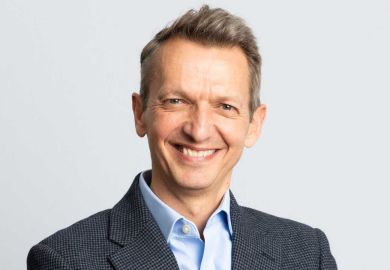
Approximately 4,000 Venezuelan nationals are currently studying in the US, according to IIE’s chief philanthropy officer Nina Bender.
Asked about the profile of likely recipients for ESF grants, Bender said students in all academic disciplines were eligible.
“They can be master’s students, they can be undergraduate students, they can be anywhere in their degree,” she explained.
“From our work, we hear their stories, and many times it’s the decision [of], ‘well, I could go back home. Or if I had this bridge, I could continue on [with my studies].’”
Bender said that over her years working on the ESF, which has also provided money to students from Afghanistan after the Taliban re-seized control five years ago, she had seen “many times” the knock-on impact the grants could have.
She shared the story of one student who had benefited from the fund and returned to her country who, thanks to her educational experience, designed an app that would warn people in her homeland of an oncoming air strike.
“These students are going back and helping their communities, so there’s a ripple effect – they’re touching many more lives,” Bender said.
Crespo Moreno told THE that although she was fortunate to know her family is safe, “the financial situation was going to be harder” as a result of the earthquake.
She loved Troy University in part for its “huge international community”, with an intake from more than 60 countries.
But Crespo Moreno warned the wider world not to turn its eyes from Venezuela, where there is “no recovery plan for the country”, she said.
“People are still sleeping in the streets – they don’t have a house, a bed, not even food. It is a critical situation,” she added. “People are not talking about it.”
Register to continue
Why register?
- Registration is free and only takes a moment
- Once registered, you can read 3 articles a month
- Sign up for our newsletter
Subscribe
Or subscribe for unlimited access to:
- Unlimited access to news, views, insights & reviews
- Digital editions
- Digital access to THE’s university and college rankings analysis
Already registered or a current subscriber?