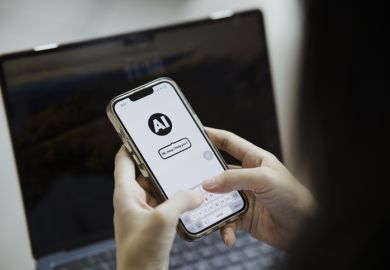
The near-ubiquitous use of artificial intelligence in universities is generating new sources of stress, as students worry over the potential ramifications of both using and not using the technology.
A survey of more than 1,200 Australian students has uncovered a hierarchy of concerns about AI, including negative cognitive impacts, breaches of privacy, unfair competition for grades and groundless accusations of cheating.
The survey by data analytics company YouGov also revealed ambiguous attitudes about AI’s impacts on careers, with many respondents considering it both a threat to job security and a prerequisite for employability.
Such misgivings have not stymied uptake of the technology, with 84 per cent of Australian students now using AI tools at least occasionally, up from 74 per cent when similar research was conducted a year earlier.
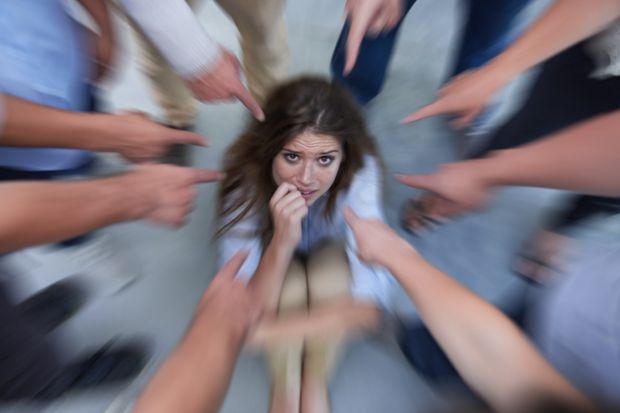
The findings come from the Australian segment of a global study commissioned by student support company Studiosity. Like their UK counterparts, Australian respondents were particularly worried about being wrongly flagged for misconduct. Fifty-two per cent nominated “being accused of cheating when I did nothing wrong” among their top three fears about the technology.
“The biggest cause of AI-related stress for students isn’t necessarily about the technology itself, but the institutional response to it,” the report says.
Such concerns may be well placed. Social media platforms are replete with posts about students’ genuine work being flagged as “likely AI-generated”. The ABC last year reported that thousands of Australian Catholic University (ACU) students who had “done nothing wrong” incurred sanctions for AI-related academic misconduct. A subsequent report found that it was a “sector-wide problem”.
ACU said academic misconduct referrals had increased since the emergence of generative AI. “We know that many students are concerned about how the use of AI in assessments is identified and reviewed,” a spokeswoman said. “A flagged submission triggers further review, not an automatic finding of misconduct…but where there are concerns about the authenticity of a student’s work, universities have an obligation to [investigate].”
Such concerns transcend the academy. Works identified as AI-generated, according to reports, include the Harry Potter novels, Queen’s Bohemian Rhapsody, Charles Dickens’ A Christmas Carol, the US Constitution and the Bible.
The survey found that female and international students were particularly worried about being wrongly flagged as AI cheats. Students with disabilities or special educational needs were almost four times as likely as other students to experience “a lot of stress” when using AI tools.
Most respondents said they used AI primarily as a learning adjunct rather than a time-saving tool. But more than one in three said they would use it to write assignments if there were no rules precluding it, with male and postgraduate students particularly willing to outsource their work to bots.
The survey also found that “becoming addicted” to AI, and “not learning anything” because of its overuse, were prominent student concerns. Almost half of respondents feared their use of AI for written assignments was reducing their critical thinking and communication skills. Less than half expressed confidence that they learned anything when they used AI for study, with pass-level students particularly dubious about the benefits.
However, students were relatively confident about their universities’ embrace of AI. Sixty per cent of respondents said their institutions were “fast enough” in adopting AI study support tools, up from 45 per cent two years earlier.
The survey found that students increasingly viewed AI as a “double-edged sword”, with 42 per cent of respondents concerned that it would reduce job opportunities in their fields, while 48 per cent saw AI skills as critical attributes for their careers.
Male students were particularly likely to consider AI both essential knowledge and an employability threat, the survey found.
Register to continue
Why register?
- Registration is free and only takes a moment
- Once registered, you can read 3 articles a month
- Sign up for our newsletter
Subscribe
Or subscribe for unlimited access to:
- Unlimited access to news, views, insights & reviews
- Digital editions
- Digital access to THE’s university and college rankings analysis
Already registered or a current subscriber?