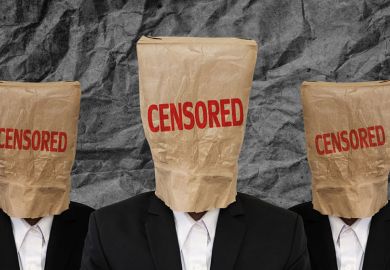
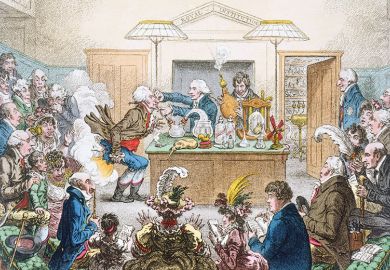
Academics need to think far more carefully about how they define and police the boundaries between legitimate and illegitimate knowledge, argues Michael D. Gordin
With history books increasingly including first-person, ‘confessional’ elements, authors explain why they take this approach, while other historians reflect on the dangers
If we can’t find the narrative forms to make the world real to one another, we risk losing our politics to the fantasists and cynics, says Lyndsey Stonebridge
The former professor of imperial and global history and author of Unlocking the World: Port Cities and Globalization in the Age of Steam on old favourites, empire and commerce, and horse power
The professor of French studies and author of Today Sardines Are Not for Sale: A Street Protest in Occupied Paris explains how exploring small, overlooked episodes brings human drama to history
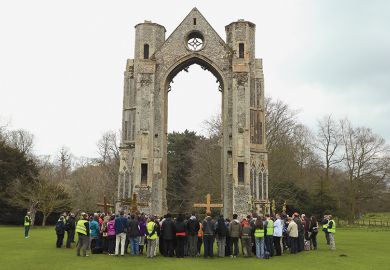
Universities are in a powerful position to help societies address history in a way that informs the present and shapes the future, says Andrew Thompson
The history lecturer and author of Rummage: A History of the Things We Have Reused, Recycled and Refused to Let Go discusses her fascination with waste and reuse and how to write about ephemeral themes
The historian and author of The Politics of Humiliation discusses fairy tales and myths, the history of emotions, and the relationships between victim, perpetrators and onlookers
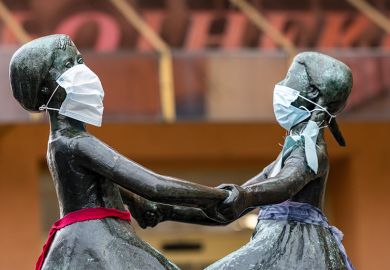
In contrast to other countries, philosophers, historians, theologians and jurists have played a major role advising the state as it seeks to loosen restrictions