A utilitarian approach to undergraduate education is leading to disenchantment among students and society. It is time to put ‘play’ at the heart of learning, says Colm O’Shea
Dealing with the death of a family member is never easy, but does academic life present further complications and difficulties? Three academics at different stages of their careers tell their stories
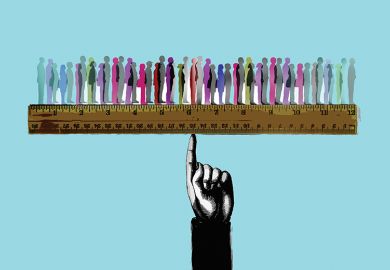
From undergraduate engagement to teacher training and graduate salaries, universities lack statistics needed to track student outcomes, say Hamish Coates and Xi Gao
Keeping going through the pandemic has proved a huge challenge for many working in universities. Being asked to present a story involving an abused child proved a step too far for Rachel O’Donnell
It is 2041. Knee-jerk politics is conspicuous by its absence and students are willing to actually hear each other. But is this odd spectacle a premonition or just a dream, wonders Jonathan Zimmerman
Major scientific breakthroughs require people to be in their labs well beyond nine to five, and we ought to acknowledge this openly, suggests Eneli Kindsiko
What strikes some as a tedious chore prone to bias can transform lives and evoke enduring gratitude. Academics should embrace the opportunity to knit the plot of a person, says Douglas Dowland
Efforts to improve access and promote diversity are often undermined by assumptions that they are at odds with ‘excellence’ and academic freedom. Drawing on her experiences all the way from Iran to California, Pardis Mahdavi explains how we can and must do better
The pandemic brought out the best in teaching staff in many universities. Yet countervailing forces are stamping out their creativity, warns Andy Farnell
At a time when marketised models are dominant, we must build on initiatives that put the stress on social justice and community engagement, says Peter Mayo
The tired stereotype of the unworldly scholar has often been used to justify giving excessive influence over university management to businesspeople and administrators. There is ample evidence that this is a recipe for disaster, argues Terence Kealey
Universities are now committed to ‘celebrating success’ and to treating every failure as just a stepping stone on the way to further success. Yet this, argues Joe Moran, is a betrayal of what really matters in the academy
If these unique institutions can become more inclusive, issue-oriented and multidisciplinary, their graduates will be equipped to tackle the 21st century’s multiple crises, say Steven Volk and Beth Benedix
The American political commentator offers John Morgan his trenchant views on Ivy League solidarity, why the left misunderstands populism and the ‘smugness’ of the ‘well-graduated’
The readers’ editors employed by some quality newspapers offer a model for how to protect and promote universities’ core values, argues Priya Rajasekar
Stricter political and administrative controls on what can be said have led to the creation of a pioneering ‘free university’, say Katarzyna Kaczmarska and Dmitry Dubrovsky
Universities and their values have been hugely successful in forging a central place for themselves at the heart of the information age. David John Frank and John W. Meyer consider how and why the pandemic might be putting that at risk
As most universities digitise all their teaching, they are finding it very difficult to deliver education online. Gorgi Krlev offers three challenges to conventional wisdom
The Covid-19 pandemic offers universities a once-in-a-generation opportunity to put their dysfunctional strategies behind them, argue Timothy Devinney and Grahame Dowling
As the tools of complexity theory prove crucial in responding to the pandemic, they must be taught far more widely in universities, argues former oil executive turned researcher
Many universities are setting up ‘consent courses’ to reduce sexual assault and harassment on campus. Helen Lock attends one and considers a variety of views about their value and limitations