Leader - Prescription for disaster?
Moving health research and education funding to the Department of Health may mean higher education loses its voice

Moving health research and education funding to the Department of Health may mean higher education loses its voice
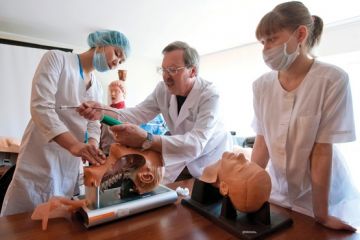
Treatment to avoid cuts would do more harm than good, critics say. Elizabeth Gibney reports
The economic advantage of having a degree has dropped by nearly 30 per cent during the past two decades, but paradoxically more and more jobs now require higher education, according to research....
Efficiency savingsIn praise of super scrimpersUniversities saved £1.38 billion between 2005 and 2011 by sharing high-value resources and using innovative technologies, a report has found. Examples of...
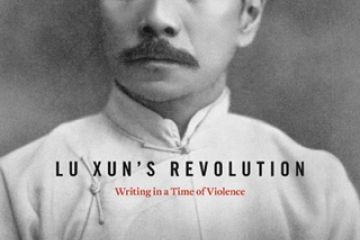
In the period covered by this work, roughly 19 to 1936, the word “revolution” was used in China by both Nationalists and Communists with great frequency: as proper nouns (the former’s National...
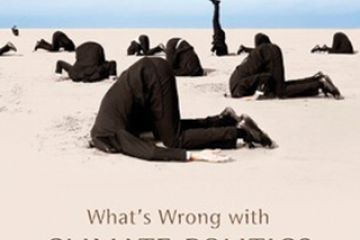
According to the Bo Diddley song, “You can’t judge a book by its cover.” With this one, though, you probably can. The cover image - besuited men with their heads literally buried in the sand -...

Over my dead body!“I’ll murder you!” she screamed, stabbing at his heart with the blackboard pointer. “How dare you interfere with my 59!”This is just one of the many disturbing incidents described...
The QAA is hitting the right notesYour leader of 16 May (“Nul points for agency standard”) may have got it right in relation to the UK’s dismal Eurovision performance, but it is wide of the mark...

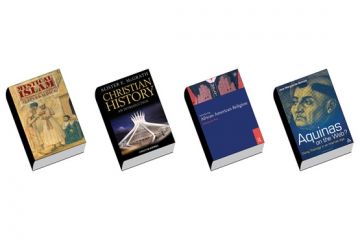
A fluid and increasingly high-profile discipline requires excellent foundational texts to inform deeper analysis and study. Ursula King is spoiled for choice by the latest offerings
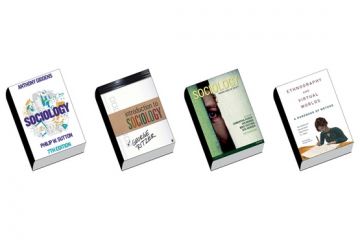
Heavyweight titles return to guaranteed acclaim while novices try out their material on demanding audiences. Les Gofton reviews the promising line-up for this year’s study-fest
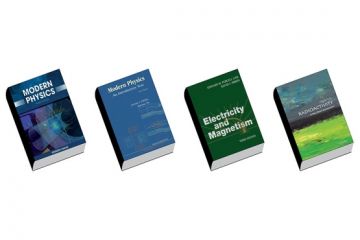
From renewable energy to dark matter and quarks, Laura Kormos embarks on a search both for comprehensive introductions and specialised volumes that will satisfy all teaching levels
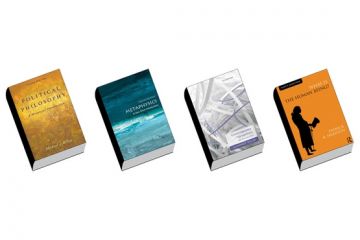
Striking a good balance between scholarly and accessible writing is tricky, believes Jane O’Grady. She applauds the texts that pitch it perfectly, giving students space to think for themselves
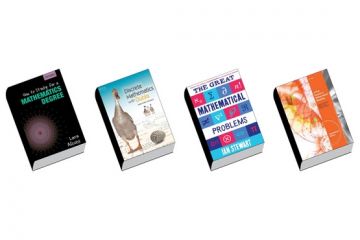
There is an art to writing a maths textbook that is also a good read. Noel-Ann Bradshaw picks out titles that aim to offer undergraduates engaging text as well as numbers and theorems
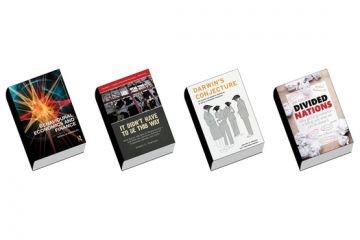
To build strong, successful economies, students need to know about alternative approaches to current models, says Victoria Bateman. Several titles could help to bring on the revolution