NYU's global ethos ‘goes counter’ to ‘citizens of nowhere’ rhetoric
Andrew Hamilton says NYU’s internationalist aims challenge the nativist visions of Theresa May and Donald Trump
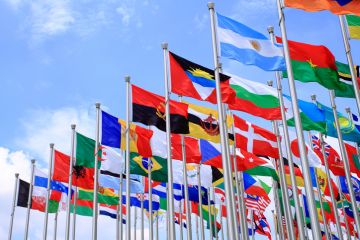
Andrew Hamilton says NYU’s internationalist aims challenge the nativist visions of Theresa May and Donald Trump

Leeds, Southampton and Manchester among institutions downgraded by Moody's, but Cambridge keeps triple-A rating
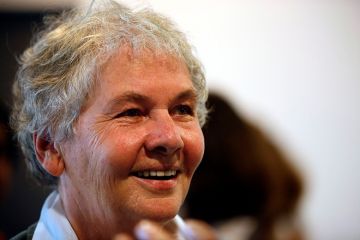
<p>How one Nobel winner instilled belief in Erika Mancini</p>

Publisher argues European countries could move to subscription-free approach without international consensus

Social scientists must create a culture in which individuals regularly observe, analyse and interpret their own data, says Geoff Mulgan
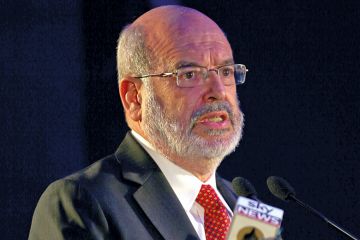
Sir Peter Gluckman, who advises New Zealand’s prime minister, cautions scientists against overreach

UMBC president calls for shift in institutional culture at Times Higher Education forum

Publishing is part of the academic game, says Mike Smith, so you’d better get good at it

Labour still fixed on pledge as political gold dust, but may score policy impact nevertheless, writes John Morgan

The latest edition of Times Higher Education discussed by the editorial team
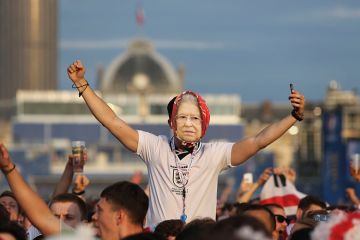
Quiet acceptance of accent discrimination damages efforts to make classrooms more inclusive, says Katerina Loukopoulou

Ministers are foolish to abandon the conclusions of the 1971 review that has informed UK research policy for 45 years, say Donald Braben and John Dainton
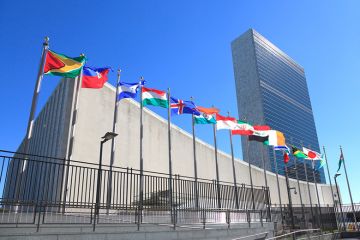
This study of how ordinary people view human rights is depressingly honest, says Jane O’Grady

Robert A. Segal enjoys a rigorously researched volume on the relationship between religion and the secular state