
UM expands research institute network to advance research and innovation in Macao and Hengqin
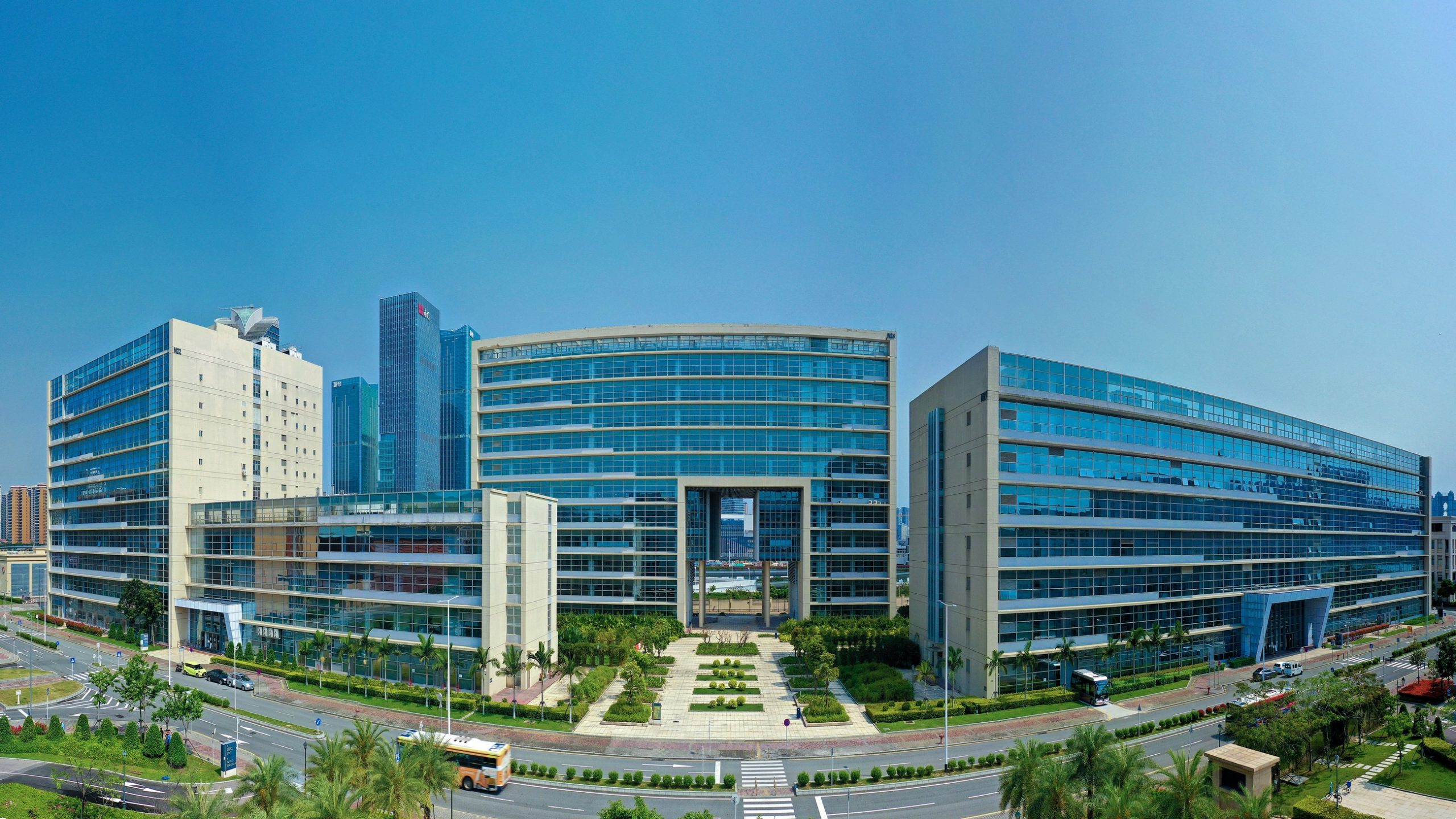
As the University of Macau (UM) enters a pivotal stage in its development, the university is steadily expanding its presence in Hengqin and accelerating the development of its new campus in the Guangdong-Macao In-Depth Cooperation Zone there.

Sponsored by
Sponsored by
In parallel, UM is advancing its research strategy through the development of a network of research institutes focused on frontier research, technological innovation, and knowledge transfer. By establishing a collaborative framework that connects faculties, research institutes, and state key laboratories, UM aims to strengthen its research ecosystem and accelerate the translation of high-tech research outcomes into industrial applications.
Developing research institutes through a two-pronged approach
UM is adopting a two-pronged approach to the development of its research institutes. The first direction focuses on the university’s three state key laboratories in Chinese medicine, microelectronics, and the Internet of Things for smart cities. Under a ‘state key laboratory + research institute’ model, UM will establish three research institutes aligned with these laboratories to promote closer collaboration and enhance research capacity. This model will support original research and innovation, help cultivate outstanding talent, and attract high-calibre researchers, while providing the laboratories with stable institutional support and resources.
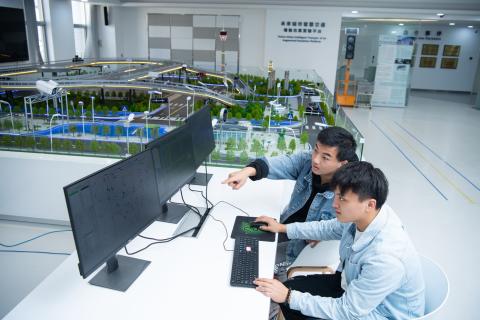
UM is developing a ‘state key laboratory + research institute’ model to strengthen research collaboration
The second direction adopts an ‘AI+’ approach, with the aim of developing interdisciplinary research clusters in emerging fields to address major innovation needs at the regional and national levels. The newly established Institute of Artificial Intelligence and Brain Sciences comprises four research centres specialising in artificial general intelligence, robotics, cognitive and brain sciences, and data science. The institute will conduct interdisciplinary research at the intersection of artificial intelligence and neuroscience, providing technological support for healthcare, social governance, and intelligent industries.
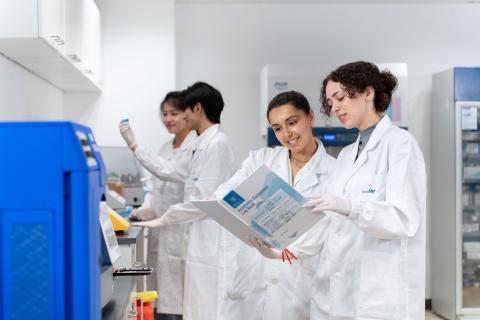
UM is preparing to establish new research institutes in emerging fields
UM is also preparing to establish the Institute of Biomedical Sciences and Clinical Translation, the Institute of Intelligent Medical Engineering, and the Institute of Energy and Carbon Neutrality. The Institute of Biomedical Sciences and Clinical Translation and the Institute of Intelligent Medical Engineering will focus on original research into fundamental mechanisms in cutting-edge areas of basic medicine and the life sciences, while advancing clinical and translational research. The Institute of Energy and Carbon Neutrality will focus on emerging areas such as pathways to carbon neutrality for integrated urban energy systems, clean and low-carbon electrification, and the integration of the Internet of Things with smart grids.
Strengthening Macao-Hengqin industry-academia-research collaboration
According to Prof Yonghua Song, rector of UM, the expanded network of research institutes will work in tandem with the existing Institute of Collaborative Innovation and UM’s cross-border research platforms in Hengqin, Zhuhai, and Shenzhen, including the University of Macau Advanced Research Institute in Hengqin. Together, these platforms will enable the university to further consolidate its research resources and enhance coordination across its research infrastructure. The expanded network will also strengthen UM’s system for cultivating high-calibre talent and create more effective pathways for translating research outcomes into industrial applications.