
Global Carbon Budget
The Global Carbon Budget (GCB) is the most comprehensive scientific assessment on global carbon emissions and sinks. Led by the University of Exeter, GCB is a collaboration of more than 130 scientists from over 90 institutions around the world. Its annual report is a key measure of progress towards the goals of the Paris Agreement, providing an independent, peer-reviewed update.

Sponsored by
Sponsored by
The report is released each year during COP, giving the most authoritative and up-to-date information for policymakers and other stakeholders at these important climate discussions. GCB informs processes including the UNFCCC Global Stocktake, and Nationally Determined Contributions. It also contributes to assessments by the IPCC (GCB was cited 75 times in the IPCC sixth assessment cycle) and the World Meteorological Organization.
GCB receives extensive media coverage, raising awareness of the scale of emissions and the urgency of reducing them. The 2025 update – the 20th annual GCB report – was published at COP30 in Belém, Brazil. It showed that global carbon emissions from fossil fuels increased again in 2025 – reaching record levels. The report received worldwide media coverage, including the BBC, Washington Post, Times of India, Japan Times, France 24 and TIME Magazine.
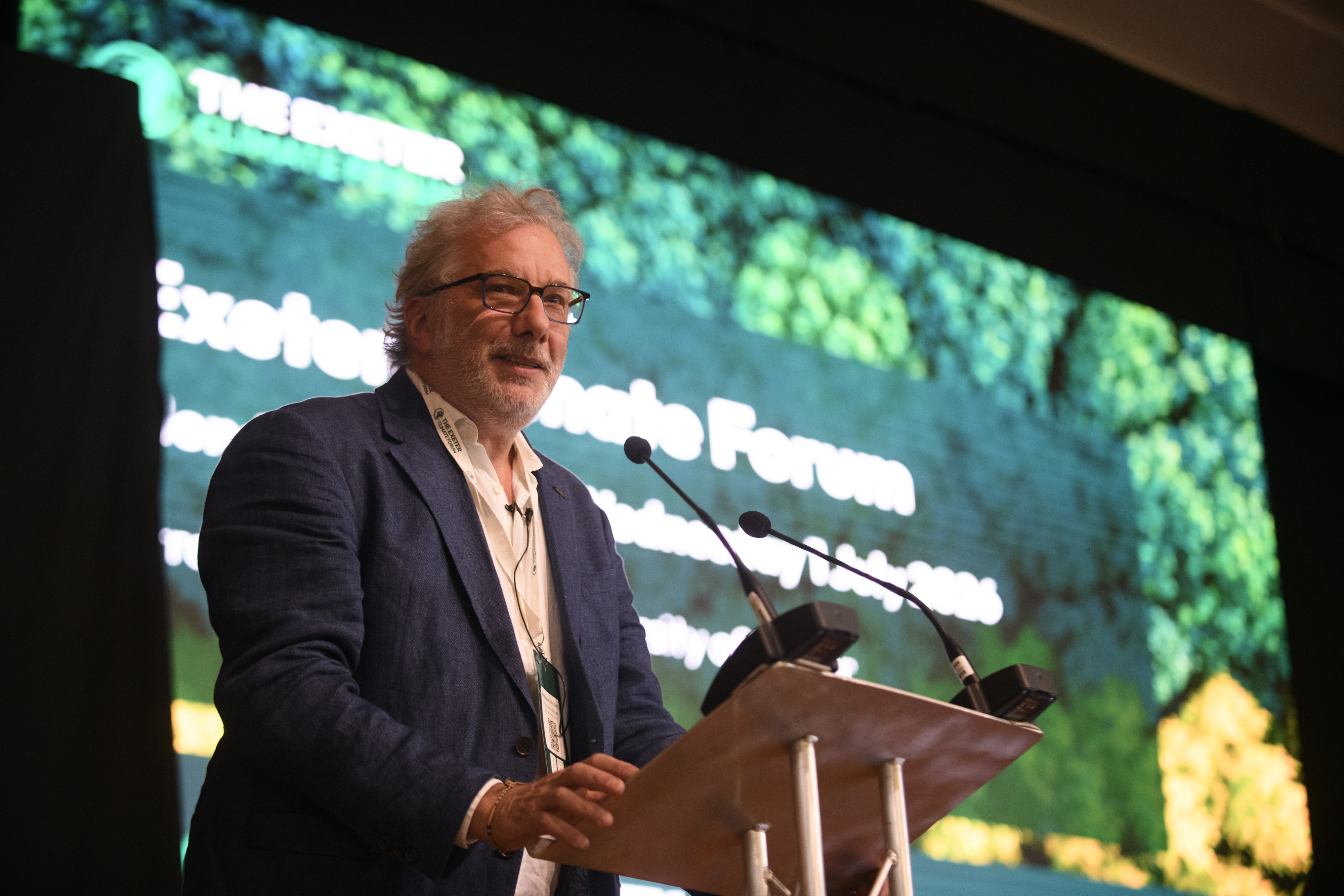
The GCB team – led by Professor Pierre Friedlingstein - attend COP each year and have met with influential figures including UN Secretary General António Guterres. Professor Friedlingstein provided scientific advice throughout the COP28 negotiations and on the text of the Dubai agreement, which for the first time recognised the need to transition away from fossil fuels.
GCB is part of the Global Carbon Project, which was set up more than 20 years ago to bring together a global consortium of scientists to establish a common and mutually agreed understanding of the Earth’s carbon cycle. Since the first GCB report in 2006, the process has evolved, building on established methodologies in a fully traceable and transparent manner. It is widely recognised as the most comprehensive report of its kind.
The GCB team includes the University of Exeter, the University of East Anglia (UEA), CICERO Center for International Climate Research, Ludwig-Maximilian-University Munich (LMU) and Alfred-Wegener-Institut. All editions of the GCB are huge collaborative efforts involving experts across many organisations and countries – a large fraction of the carbon cycle research community who, on a voluntary basis, help make the GCB so important and influential.