
Thin-film materials show promise for protecting crops from fungal disease
TiO₂/ZnO thin films show potential to control a damaging crop fungus, opening possibilities for more sustainable approaches to plant disease management.

Sponsored by

Sponsored by
A collaborative study between the University of the Caribbean (UNICARIBE) and Colombian and Chilean universities explores the use of titanium dioxide and zinc oxide thin films to control a fungal pathogen that severely affects carnation crops
The researchers have studied the antimicrobial potential of TiO₂/ZnO thin films against Fusarium oxysporum f. sp. dianthi, a pathogen associated with serious losses in carnation production.
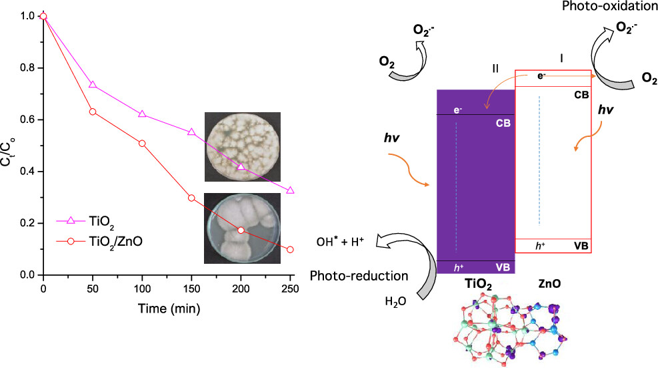
Published in ACS Omega, the study combines experimental analysis with theoretical modelling to evaluate how semiconductor materials behave under UV irradiation. The research focuses on titanium dioxide thin films modified with zinc oxide, assessing their ability to inhibit fungal growth through photocatalytic activity.
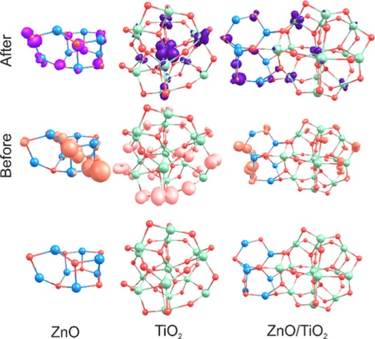
The team deposited bare TiO₂ and TiO₂/ZnO thin films and characterised the materials using scanning electron microscopy and X-ray diffraction. The study also incorporated density functional theory and time-dependent density functional theory calculations to support the experimental findings and better understand the enhanced reactivity of the mixed material system.
The results show that TiO₂/ZnO thin films performed better than bare TiO₂ films. Under UV irradiation, TiO₂/ZnO reached 20.6 per cent methylene blue photodegradation, compared with 10.9 per cent for TiO₂ alone. Both materials also showed strong stability, with photocatalytic efficiency decreasing by less than 3 per cent after four tests.
Most importantly, the TiO₂/ZnO system achieved a 90 per cent reduction in the growth of Fusarium oxysporum f. sp. dianthi after 250 minutes of UV irradiation, compared with 68 per cent for bare TiO₂. This suggests that combining TiO₂ with ZnO can significantly improve antimicrobial performance against agricultural pathogens.
The study points to a potential pathway for developing advanced antimicrobial coatings that could support more sustainable crop protection strategies. By using photocatalytic materials rather than relying exclusively on conventional chemical treatments, this type of research could contribute to cleaner technologies for agriculture and plant disease management.
For UNICARIBE, the publication reflects the value of international collaboration in applied materials science, environmental technology and sustainable agricultural innovation. It also strengthens the university’s research agenda in semiconductor materials and their potential applications beyond energy, including environmental protection and food production systems.
Read the full article: https://pubs.acs.org/doi/10.1021/acsomega.4c01287