
Lost in translation: Evan Kidd is listening to the languages research left behind
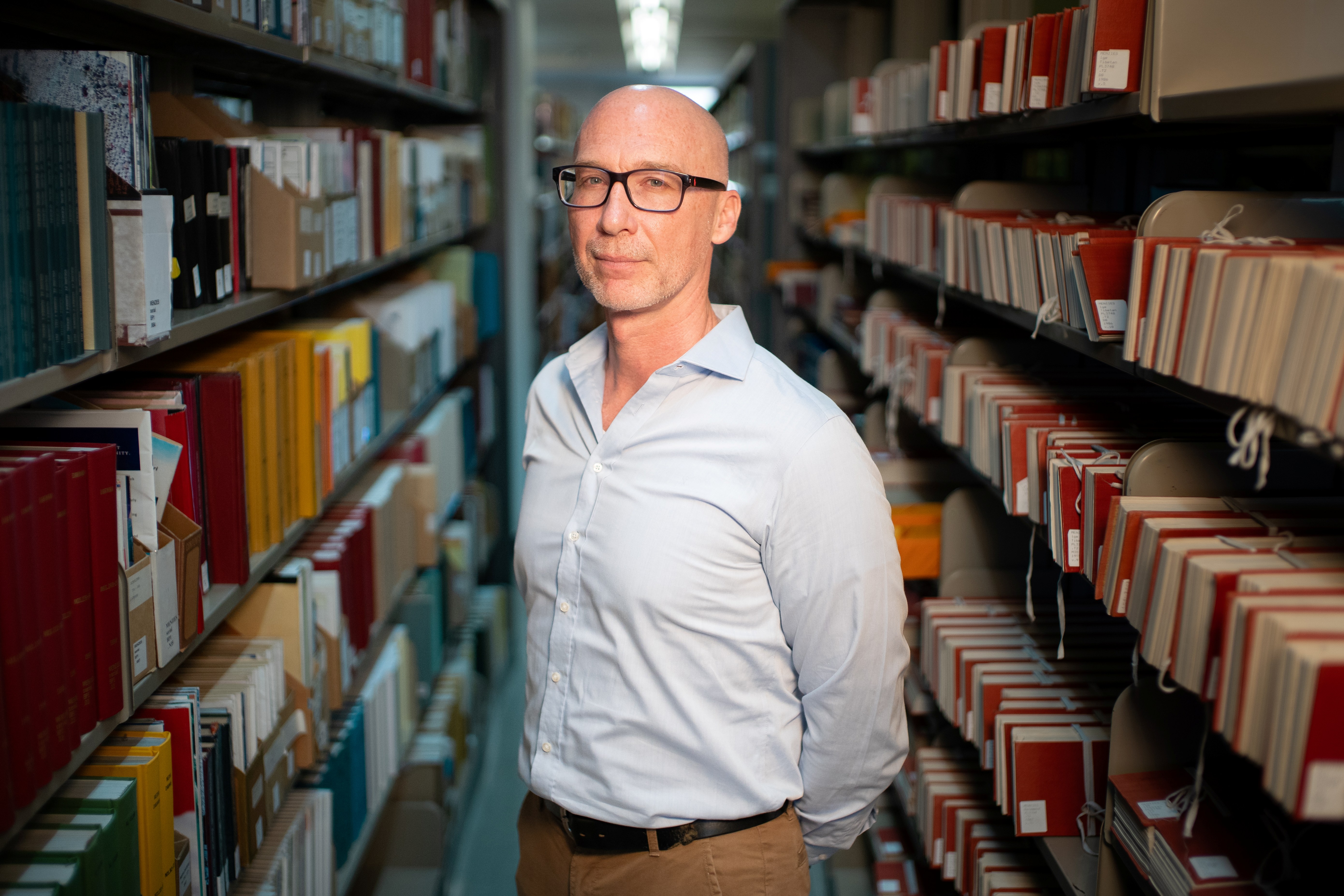
Professor Evan Kidd from the School of Literature, Languages and Linguistics at The Australian National University (ANU) studies how people learn and use language. By looking beyond English to languages research has long overlooked, he is finding out what all humans share and what science has been missing.

Sponsored by

Sponsored by
Almost everything we know about how people learn and use language comes from studying just a small part of the world’s population. Research has mostly focused on English and a few other major languages. But there are around 7,000 languages worldwide, and each one is spoken by people who learn, think and communicate in their own unique ways.
Professor Evan Kidd and his team at the School of Literature, Languages and Linguistics at The Australian National University (ANU) see this gap as very important. To truly understand how people communicate, we need to look at everyone who is communicating, not just a select few.
“We can do better than just studying the same old convenient languages,” he says.
Looking beyond convenience
Kidd’s research is all about how people learn and use language. He looks at how children go from first words to full sentences in just a few years, and how adults understand what they hear and how they turn their thoughts into words, often in a fraction of a second.
“In general, young children are not very good at a lot of things yet, but they are expert language learners,” he says.
These processes don’t work the same way everywhere. The language we speak can change how we organise and understand sentences. Still, most psycholinguistic research has focused on a narrow, largely Eurocentric perspective, often because languages such as English, Spanish and Mandarin are spoken in countries with large research communities. Studying the same languages again and again only gives part of the picture.
This is why Kidd and his team have worked with speakers of Tagalog in the Philippines, several Australian Indigenous languages and languages spoken in Morocco and Indonesia. These languages work in very different ways from English, which lets researchers test their ideas about language and the people who use it.
It might come as a surprise, then, that although Kidd has studied 18 languages, he doesn't speak all of them.
“The classic misconception about linguists is that they spend their time learning languages and that they can speak dozens of them,” he says. “Many of us are multilingual, but learning as many languages as you can isn’t the goal.”
The real goal is to understand how language works for everyone, instead of treating one familiar language as the standard.
What we would have missed
A recent project highlights why this research matters. Kidd and his team looked at how speakers of three Australian Indigenous languages plan their sentences. In these languages, you can put words in different orders without changing the meaning.
You might think this flexibility would lead to less planning. But the research found the opposite. Before speaking, people carefully planned the subject and object of their sentences. This pattern had not been seen in more commonly studied languages.
“We would never have known this type of planning was possible if we hadn’t done this work,” he says.
This ability was always there, but no one had looked for it before. For Kidd, that’s the main point. Studying more languages doesn’t just add research examples; it can actually change what we know about human potential.
People behind the data
This broader perspective is especially important now that large language models (LLMs) are becoming more common. AI systems such as ChatGPT and Claude can quickly generate fluent text, and their development has brought back old debates in linguistics from the 1980s.
Kidd compares LLMs to children. LLMs currently require much more data to learn a language than a child does. Children hear far less but still learn to use language well in just a few years. This difference might help explain why people are such strong language learners.
However, these systems also come with new risks. LLMs are mainly trained on languages with lots of digital content, especially English. Kidd notes that these models can reflect Northern European values and show racial bias. Their focus on major languages can also add pressure to languages that are already at risk of disappearing.
Roughly one spoken language disappears every month. During the UNESCO International Decade of Indigenous Languages, Kidd says that we need to balance technological progress with efforts to protect linguistic and cultural diversity. When a language is left out of the data, a whole community is left out of the story.
From a child’s first word to the huge amount of text created by machines, Kidd’s research always comes back to the people who use language. He argues that we cannot find all the answers in English alone.
“The more diverse languages we study,” he says, “the more interesting things we find out about how humans use languages.”
It's a simple idea with far-reaching implications. Understanding language more fully means understanding people more fully, how they think, connect and pass knowledge from one generation to the next. In an age of machine-made text, Kidd's work at ANU is a reminder that the most important insights still come from listening to one another.
Find out more about Evan Kidd and the School of Literature, Language & Linguistics at The Australian National University.