We have been labelled the Antichrist. We have been accused of leading a cult and of “killing people” with pro-vaccine messages. We have had pretty much every bad word you can imagine thrown at us, including antisemitic slurs. As investigators into disinformation campaigns, that is just par for the course.
But it isn’t just us who face regular targeted harassment. Colleagues in other fields have been called paedophiles and frauds, had visas denied, research centres shut down, funding removed and even received death threats, including a recent email suggesting that “you deserve a bullet in your head”. A 2021 survey by Nature found that harassment is commonplace, with nearly 60 per cent of surveyed scientists having experienced it.
A recent Times Higher Education article reflected a view that universities and academics should engage with their critics. This would be reasonable advice if the critics’ concerns were expressed in good faith. However, it seems evident that the attack dogs are not interested in genuine debate.
In 2021, US vice-president JD Vance openly declared that “professors are the enemy.” Last year, Nigel Farage said that universities are “poisoning student minds”. And while Turning Point USA’s infamous “Professor Watch List” seems to have been shut down for now, it has a toxic legacy of inciting harassment, including threats of violence, against the supposedly “radical left wing professors” it named.
Moreover, our investigations make abundantly clear that these attacks often align with a coordinated transnational networked agenda to supplant university leaders, stifle lines of scholarship and silence scientific discourse – in the service of an agenda to unwind years of momentum towards greater social and community cohesion.
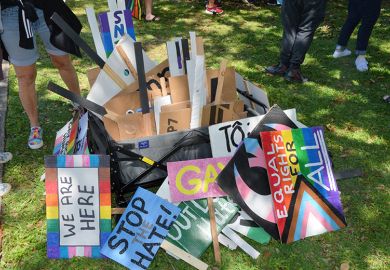
A commonly deployed tactic is to cherry-pick anecdotes that generate visceral emotional resonance in media echo chambers. Research shows that by generating rage or hate, provocative narratives garner more attention, reach and monetisation on most social platforms. These anecdotes often deliberately amplify culture wars on issues such as climate, vaccines, diversity, race and gender studies.
The targets of these campaigns are also selective. Minority academics, for instance, are much more likely to be accused of plagiarism and academic fraud by “anti-woke” campaigners. The accusation is then overgeneralised to impugn an entire targeted community, research discipline or institution. And the public is receptive: research finds that humans naturally tend towards biased thinking by projecting recent anecdotes on to larger groups.
Of course, the research community needs to strictly adhere to proper scientific standards, including openness, transparency and disclosing potential conflicts of interest. We should welcome challenges to our models, assumptions or data. Credible allegations of academic fraud should be investigated and adjudicated. However, we should not tolerate ad hominem or broad-brush challenges to research from actors who do not adhere to the same standards.
Without proper evidence, generalised smears about research integrity, political agendas or related issues fall short of the ethical research standards that some online influencers purport to uphold. Demands for mob-driven instant sentencing are a deliberate attempt to bypass due process. We should insist that challengers disclose their conflicts of interest and incentives, provide evidence to a formal review process that affords due process, and be patient for those processes to adjudicate.
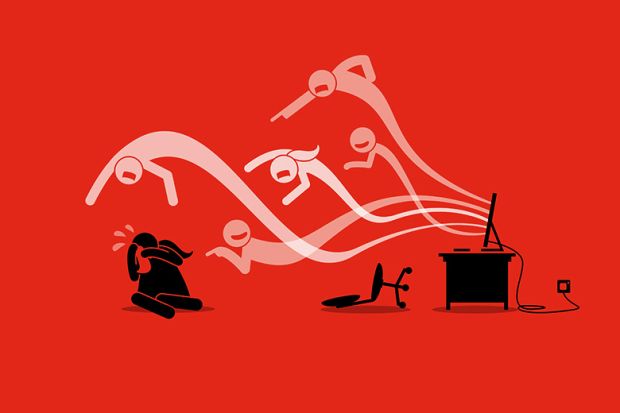
Once a case has been cherry-picked and falsely generalised, a common tactic is to coordinate a harassment campaign, or flood the zone, with the help of trolling armies. These often inundate university staff and communication teams with emails, including freedom of information (FOI) requests that tend to bear unsupported allegations about scientists.
Many such enquiries do not seem to pose legitimate public interest questions. Rather, they appear to be fishing expeditions in pursuit of circumstantial evidence that can be spun out of context as clickbait propaganda. Provocative attacks on reputation, seeded properly, can also organically generate momentum for a mainstream media pile-on.
One likely key objective of these campaigns is to censor uncongenial science. But there is deep hypocrisy in them. For example, attacks on misinformation research often come from influencers who promote free speech elsewhere. Even senior US Trump administration officials have retaliated against fact-checkers and scholars who study online information risks.
Fact-checking is a form of free speech, which should be protected under the US First Amendment. But Republican politicians such as representative Jim Jordan falsely project a “censorship industrial complex” label while supporting industrial-level censorship themselves, including limiting scientists’ ability to attend climate change conferences. Influencers who endorse pseudoscientific race science similarly voice concerns about free speech yet are keen to censor sociology of race studies.
In our view, the higher education sector significantly underestimates the appetite and aggression behind these campaigns. We hope to increase awareness and understanding because those who do not understand this playbook risk being “scalped” next.
Scholars of authoritarianism note that the first mistake of free societies is anticipatory obedience to the regime, for fear of worse outcomes. That applies as much to academics as to everyone else. We urge colleagues not to ignore the existential threat to the independence of science.
We must adhere to the highest levels of academic integrity while exposing harassment campaign agendas, conflicts of interest and bias among those who attack us. We must stay engaged in public discourse, whatever the trolling and threats. And we must not cede whole areas of scholarship and higher education policy to culture warriors and clickbait opportunists.
Sander van der Linden is professor of social psychology in society at the University of Cambridge and author of Foolproof: Why We Fall for Misinformation and How to Build Immunity. Alan Jagolinzer is professor of financial accounting at Cambridge, vice-dean for programmes and chair of the Cambridge Disinformation Summit.
Register to continue
Why register?
- Registration is free and only takes a moment
- Once registered, you can read 3 articles a month
- Sign up for our newsletter
Subscribe
Or subscribe for unlimited access to:
- Unlimited access to news, views, insights & reviews
- Digital editions
- Digital access to THE’s university and college rankings analysis
Already registered or a current subscriber?