New 3D-printing ink could make cultured meat more cost-effective
Cultured meat (also known as cell-based or lab-grown meat) is a promising, more environmentally friendly alternative to meat produced from traditional livestock farming. However, production costs are still high and need to be reduced before it can become widely available.
Now, researchers from Singapore and China have found a way to use food waste for culturing meat, reducing production costs and helping to make cultured meat a viable option for feeding the world’s population.
Scaling up production
Scientists hoodwinked by touch-me-not plants for decades
Growing in the heart of the world’s deepest valley are two plants that have fooled scientists for decades.
Two species of the ‘touch-me-not’ genus (Impatiens) – the Blue Diamond (Impatiens namchabarwensis) and Toothed Busy Lizzie (Impatiens arguta) are found in the remote Tsangpo Gorge that meanders around the highest peak in the Eastern Himalayas, Mount Namchabarwa.
Both plants are adorned with trumpet-shaped flowers in a spectrum of colours, and their similarities made many scientists believe they belonged to the same species.
Researchers overcome stem cell delivery barrier, paving the way for regenerative medicine
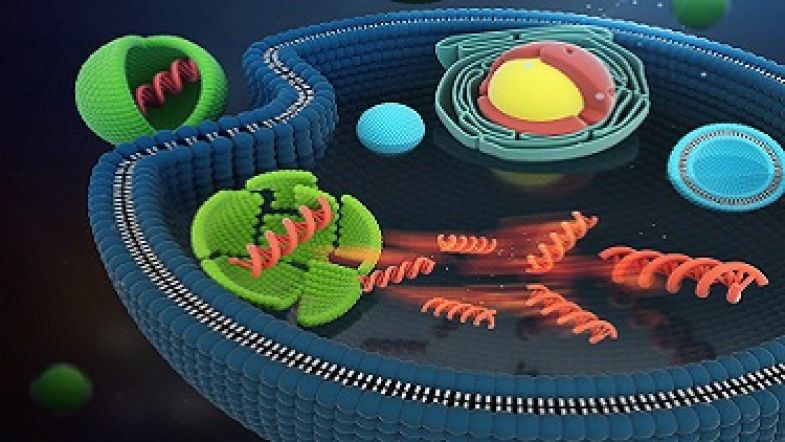
DNA being delivered into the nucleus of a stem cell - An artistic rendition of the study led by Dr Gang Ruan and selected as a supplementary cover art by the journal Nano Letters. Credit: American Chemical Society (Nano Letters)
Stop eradication of small mammals to protect vital ecosystems, say scientists

Qinghai-Tibetan Plateau, yak herders summer camp. Yak graze widely during the day and are brought back to the camp in the evening for milking (Credit J. Knops)
New recipes for better solar fuel production

Just as a superb meal requires the right ingredients prepared expertly, the production of better green fuel alternatives requires combining the right materials and methods.
Recently, a team of researchers from China and the UK have found new ways to optimise the recipe for the production of solar fuels.
Potential target for reversing drug resistance in ovarian cancer identified
For the 314,000 people diagnosed with ovarian cancer each year, hope often comes in the form of platinum-based drugs such as cisplatin.
Cisplatin causes the death of quick-dividing tumour cells, so it is a potent first-line defence in the treatment of the often fatal disease.
However, over half of ovarian cancer patients develop recurrence and become resistant to cisplatin and other platinum-based chemotherapies, contributing to the five-year survival rate of 31%.
Biotechnology Incubator boosts Saudi health innovation
Riyadh is positioned to become the Silicon Valley of biotechnology, spurred by the innovative work of the Alfaisal Biotechnology Incubator
The one-stop centre fuelling growth in Saudi Arabia
The Competitiveness Consultancy Center at Alfaisal University aims to support local businesses in a fastgrowing and globalised market
Corporate governance for a sustainable economy
Alfaisal University’s Corporate Governance Center is leading the way on corporate governance research, benchmarking and partnerships in Saudi Arabia